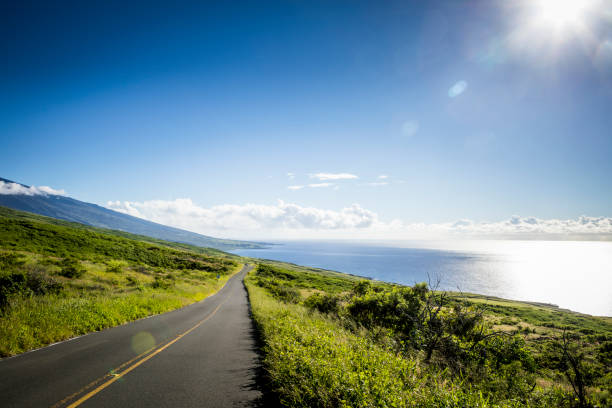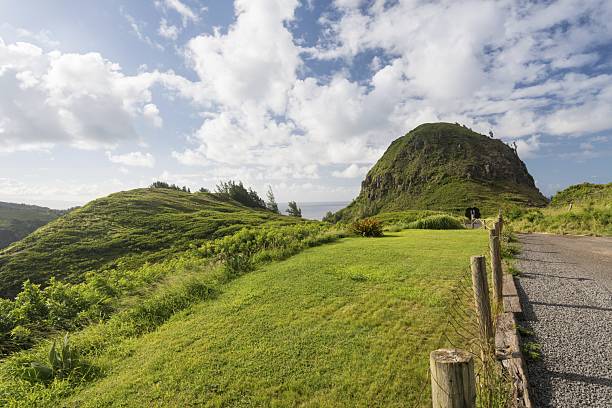
Maui rewards travelers who plan with intention but leave room for surprise. The island is not one destination but a collection of microclimates and moods. West Maui offers resort ease, calm bays, and golden sunsets. South Maui brings long swimmable beaches, snorkeling, and easy access to Wailea and Kihei. Upcountry feels like a different island altogether, with cool mornings, ranching history, lavender farms, and sweeping views. The North Shore around Paia and Haiku hums with surf culture and creative energy. East Maui, including Hana, is lush, quiet, and deeply rooted in Hawaiian tradition. A good itinerary doesn’t try to conquer all of it in one trip. It chooses a rhythm.
For first-time visitors, a balanced week often works best. Spend a few nights in West or South Maui to settle into island time, swim, snorkel, and watch the sunset. Then shift to a second base, perhaps in Upcountry or near Hana, to experience the island’s greener, older side. This split stay reduces long drives and lets you feel the contrast between dry leeward sunshine and rainforest mist. If you only have a few days, resist the urge to chase every famous attraction. Choose one big adventure, one cultural experience, and one unscheduled beach day. That mix often creates the most memorable trip.
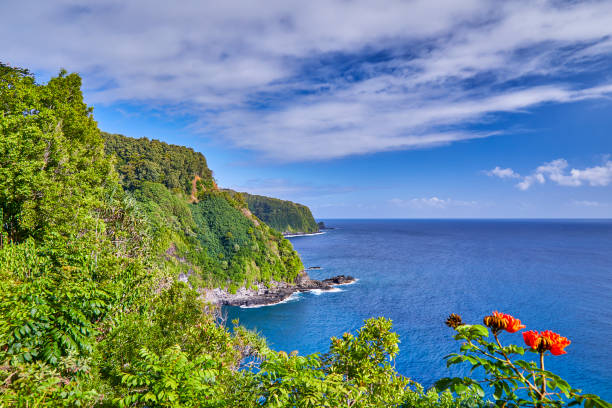
Adventure travelers can build their days around movement. Sunrise atop Haleakala is a rite of passage, but it requires reservations and warm layers. The Road to Hana is not a race; it is a slow, winding invitation to stop at waterfalls, arboretums, lava tubes, and roadside stands. Hikers can test their legs on the Waihee Ridge Trail, the Pipiwai Trail, or the crater floor. Ocean lovers can snorkel at Molokini, kayak along the coast, take a surf lesson, or book a whale-watching trip in winter. The key is to alternate high-energy days with recovery. Maui’s roads, sun, and ocean can tire you faster than you expect.
Families should prioritize calm water, short drives, and flexible afternoons. Kaanapali, Napili, and Wailea offer gentle swimming and plenty of amenities. Maui Ocean Center provides an easy rainy-day option, while the Maui Tropical Plantation and Surfing Goat Dairy can entertain younger travelers. A luau can be a highlight if you choose one that shares Hawaiian story and protocol rather than only spectacle. For couples, romance might mean a sunset sail, a quiet Upcountry dinner, a spa afternoon, or a picnic at a lookout. Solo travelers often find Maui surprisingly welcoming, with hiking groups, surf schools, and cafés that make it easy to meet people.
Culture and history belong in every itinerary, not as an add-on. Maui was a powerful center of Hawaiian governance, and places like Iao Valley and Kepaniwai Park carry deep significance. Upcountry museums and historic plantation towns reveal the island’s ranching and agricultural past. In Hana, the land itself tells stories of ancient settlement and resilience. Lahaina’s history as a royal capital and whaling port remains important, and visitors should approach the area with respect and awareness as the community continues to heal. Learning a few Hawaiian words, supporting locally owned businesses, and understanding that many trails, beaches, and valleys are cultural sites will make your trip richer and more responsible.
Food is another itinerary thread. A plate lunch after a hike, fresh poke by the ocean, shave ice on a hot afternoon, and a farm-to-table dinner in Upcountry can be as memorable as any lookout. Nightlife is relaxed rather than relentless, with live music, craft cocktails, and beach bars in Kihei, Paia, and other pockets of the island. Follow the local rhythm: early mornings, lingering sunsets, and dinners that stretch into conversation.
The best Maui itinerary is not the one with the most stops. It is the one that matches your energy, honors the island’s culture, and leaves space for the unexpected. Frequent travelers return because they know Maui changes with the season, the tide, and their own mood. Dreamers should know they don’t need to do everything. They need only choose a few meaningful experiences, drive with patience, swim with care, and let Maui set the pace. That is how a Maui trip becomes a memory you carry home.