On Maui, lunch often arrives in a foam container or a paper plate, and it is one of the most satisfying meals you will eat anywhere in the islands. The plate lunch is a local institution, a generous combination of savory protein, carbohydrate, and creamy macaroni salad that traces its roots to the plantation era, when workers from Hawaii, Japan, China, Portugal, Puerto Rico, and the Philippines shared food and influence. Today it is a beloved staple, eaten on surf breaks, at family gatherings, and from food trucks parked near a beach park. For visitors, it is an easy and affordable way to taste the real flavors of the island.
A classic Hawaiian plate lunch usually includes two scoops of white rice, a scoop of macaroni salad, and a main dish. That main dish might be kalua pork, slow-roasted in an imu until smoky and tender, or laulau, pork and fish wrapped in taro leaves and steamed until soft. Chicken katsu, teriyaki beef, garlic shrimp, and loco moco, a hamburger patty topped with gravy and a fried egg, are also common. More traditional Hawaiian plates may include poi, a mildly tangy taro starch, lomi salmon, a fresh tomato and salted salmon relish, and haupia, a cool coconut dessert. The combination is filling, comforting, and deeply tied to Maui’s multicultural history.
Poke is the other essential experience. Once a simple fisherman’s snack of raw fish seasoned with sea salt, limu, and kukui nut, poke has become an art form across Maui. You will find it cubed and tossed with shoyu, sesame oil, Maui onions, green onions, and ogo seaweed. Spicy mayo, wasabi cream, kimchi, and tropical fruit versions appear alongside traditional preparations. Ahi is the most famous, but tako, salmon, and even tofu poke are worth trying. The best poke is fresh, cold, and simple enough to let the fish speak for itself. In local fish markets, you can buy poke by the pound and mix several kinds in one container; a scoop of fresh ahi with shoyu and a little spicy mayo over warm rice is a perfect lunch after a morning in the water. Ask for samples if you are unsure, and remember that poke is best eaten the same day.
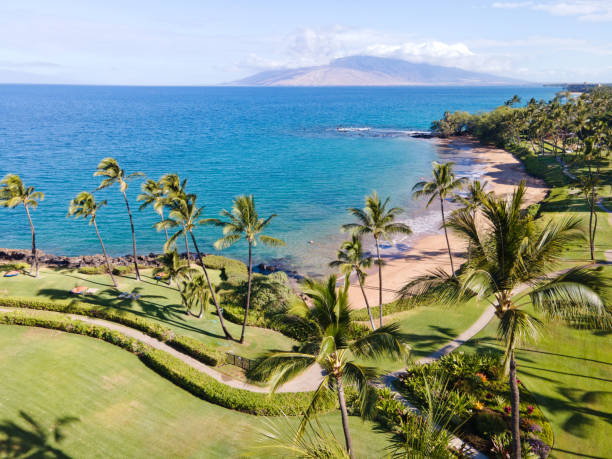
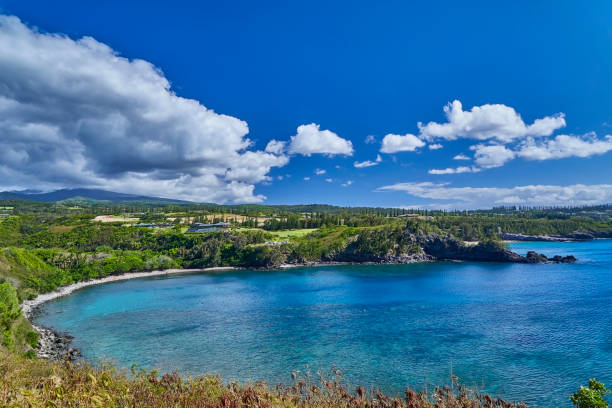
Maui’s food landscape makes both plate lunches and poke easy to find. In Kahului and Wailuku, local lunch counters and takeout shops serve heaping portions to workers, families, and road-trippers. In Kihei and Wailea, casual joints and fish markets cater to beachgoers who want a quick poke bowl before snorkeling. Paia, on the north shore, blends old-school local flavor with a laid-back surf town vibe, while Hana rewards the long drive with simple, hearty food that tastes even better after a day of waterfalls and coastal views. Food trucks are often some of the best options, especially for garlic shrimp, fish tacos, and fresh poke.
Ordering like a local is part of the fun. At a plate lunch spot, you might choose one or two proteins, then decide whether you want all rice, all salad, or a mix. At a poke counter, you can usually build a bowl with a base of rice, salad, or chips, then add different poke flavors and toppings. Do not be afraid to ask what is freshest. If you see a line of residents, that is a good sign. Many places are casual, with limited seating, so plan to take your food to a park, a beach, or a scenic overlook. The view is part of the meal.
When evening comes, Maui’s food and drink scene shifts toward sunset. You can still find poke and plate lunch favorites, but you can also settle into a oceanfront bar for a mai tai, a local craft beer, or a rum cocktail made with fresh fruit. Some of the most memorable nights are simple: poke and chips on a lanai, a cold drink in hand, and the sound of waves in the dark. Whether you are a frequent traveler or dreaming of your first trip, eating Maui’s Hawaiian food, plate lunches, and poke is not just about filling your stomach. It is about tasting the island’s history, its generosity, and its aloha.