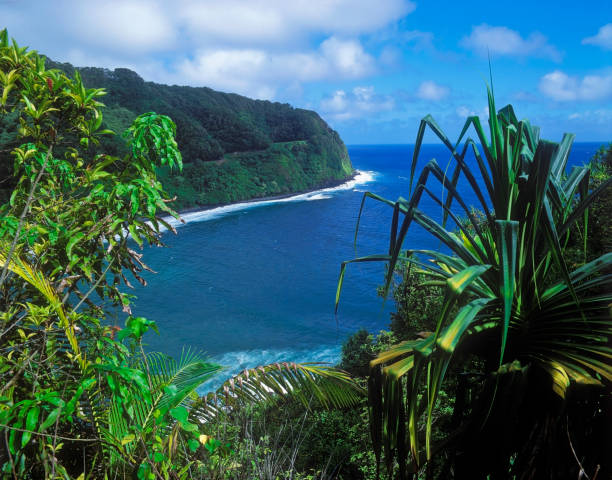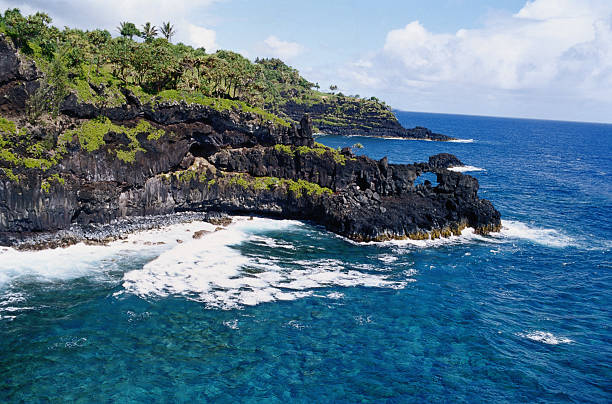
For many travelers, Maui begins with a postcard: turquoise water, volcanic peaks, palm trees. But the island’s true richness lies in its people, stories, and traditions. Among the best ways to encounter that living culture is through the Festivals of Aloha, a seasonal celebration that brings hula, music, food, and community together. If your dream trip can be timed for fall, this event can turn a beautiful vacation into a meaningful cultural journey.
The Festivals of Aloha have roots in the late 1940s, created to honor Hawai’i’s host culture and share aloha with residents and visitors. Today the celebration unfolds across Maui County, usually over several weeks in September and October. Different towns host their own gatherings, so the festival feels less like a single ticketed event and more like a moving lei threading through the island. One weekend may feature a ho’olaule’a, or celebration. Another may focus on keiki, the children, with games, stories, and performances that pass traditions to the next generation. Because dates and venues shift from year to year, check local community calendars as your trip approaches, then build your itinerary around the events that speak to you.
Hula is often the heartbeat of the festival. You may see hula kahiko, the ancient style, performed with chants and traditional instruments, as well as hula ’auana, the modern style, accompanied by guitar and ukulele. Each dance tells a story about a place, an ancestor, a legend, or an emotion. For visitors, the experience is more than a performance. It is a window into how Hawaiians understand land, ocean, family, and history. Arrive early, listen closely, and let the stories wash over you. Applause is welcome, but quiet attention is the greater gift.
Music fills the spaces between dances. Slack key guitar, ukulele, steel guitar, and Hawaiian falsetto create a soundscape that feels both gentle and profound. Local musicians often share songs in Hawaiian and English, mixing original compositions with classics. Between sets, you might hear stories about the songs’ origins or the places that inspired them. This is a chance to support Maui artists directly by buying their music or handmade goods.
Food is another way the festival connects people to place. You may find plate lunches with kalua pig, laulau, poi, lomi salmon, and haupia. Vendors might offer shave ice, malasadas, or fresh fruit. These are not just snacks; they are part of a food culture shaped by Hawaiian, Japanese, Chinese, Filipino, Portuguese, and other influences. Try something new, ask questions respectfully, and remember that many dishes carry family recipes and memories.
Craft fairs and cultural demonstrations add another layer. Lei makers weave flowers, shells, and feathers. Lauhala weavers turn pandanus leaves into hats, mats, and baskets. Woodworkers, kapa makers, and jewelry artists share traditions revived and adapted over generations. Buying a handmade piece is a way to take home a story rather than a souvenir, and it helps keep these arts alive. If you are unsure whether you may touch an item, ask first. Respect is part of the aloha you receive.
Some years, the Festivals of Aloha include a royal court, parades, and ceremonies that recall Hawai’i’s monarchy. These elements are not nostalgic theater. They honor ali’i, the chiefs and royalty, and remember a complex history that includes sovereignty, loss, and resilience. For travelers, this can be a gentle invitation to learn more about Hawaiian history beyond the beach. Visiting museums, reading books by Hawaiian authors, and supporting Native Hawaiian organizations can deepen your understanding long after the festival ends.
Planning around the Festivals of Aloha requires some flexibility. Fall is generally a lovely time on Maui, with warm ocean temperatures and fewer crowds than the winter high season. Still, festival weekends can fill restaurants and rental cars, so book lodging and transportation early. Leave room for spontaneous detours: a roadside fruit stand, a talk story session, a sunset that refuses to be rushed.
Above all, come with curiosity and humility. Maui’s festivals are community gatherings first. Visitors are welcomed, but the events are not staged solely for tourism. Follow the lead of those around you. Use Hawaiian words with care. Remove your shoes when asked. Take only photos and memories, and leave each place better than you found it. When you return home, carry the aloha spirit with you. That is the real souvenir of Maui’s Festivals of Aloha.