Maui’s coastline is a mosaic of moods. A beach that feels like a bathtub at ten in the morning can turn into a churning shorebreak by two in the afternoon. The island’s regions each have their own weather, swell exposure, tide shifts, and reef structure. Understanding those differences is not just local trivia; it is the foundation of beach safety. Visitors who learn to read the ocean before they step into it enjoy Maui more confidently and avoid the injuries that happen when paradise is treated as a swimming pool.
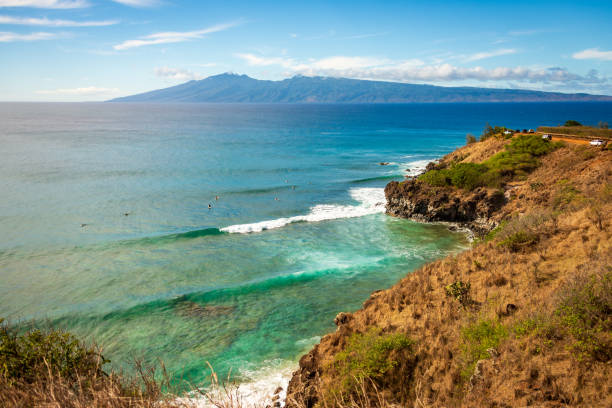
The North Shore, from Paia to Ho’okipa and beyond, is Maui’s wild child. In winter, large northwest swells light up the coast, creating powerful waves, strong currents, and shorebreak that can slam unwary beachgoers into the sand. Even in summer, trade winds build afternoon chop and rips. Ho’okipa is a world-class surf and windsurfing spot, not a casual swimming beach. Kanaha and other nearby beaches can be gentler, but conditions change fast. Watch the locals, listen to lifeguards, and never assume a calm stretch means the whole bay is safe. If the water is crowded with skilled surfers, it is usually a sign that the ocean is working them, not welcoming you.
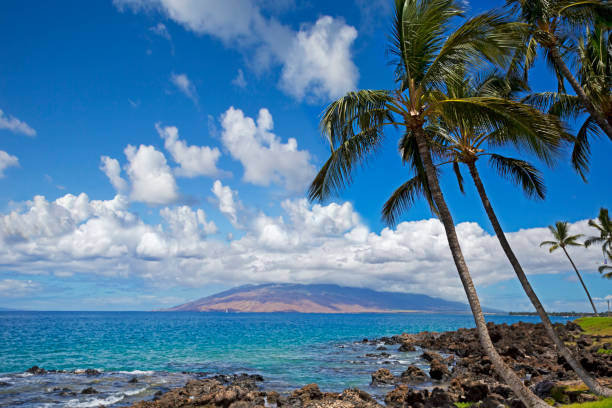
West Maui offers a softer introduction, especially along Ka’anapali and Napili. These beaches often have gentle slopes, protected bays, and good snorkeling. Yet winter swells can still reach them, and a calm bay can hide a sudden shorebreak. Kapalua’s bays are beautiful but rocky, with entries that require care and currents that can pull along the coast. The key is to check the flags and ask about the day’s swell direction. A north swell may barely touch one beach while making another dangerous. The West Side rewards early mornings, when the wind is light and the water clear, but it also demands respect when the afternoon trades pick up and the surface turns choppy.
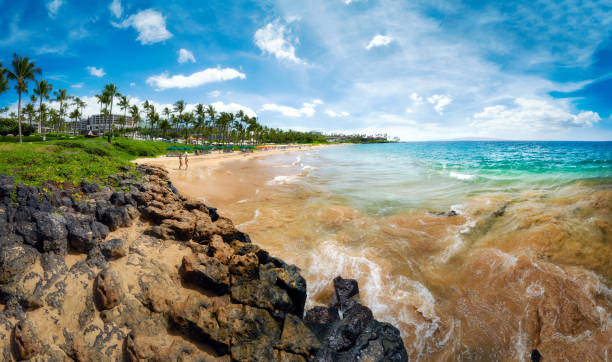
South Maui, from Kihei to Wailea and Makena, is famous for sunshine and swimmable coves. Kamaole beaches are family-friendly on calm days, but they can develop shorebreak when a south swell arrives. Makena’s Big Beach is spectacular and notoriously powerful. Its shorebreak has earned nicknames like Breakneck Beach for a reason: waves break in shallow water with enough force to injure necks and shoulders. Even strong swimmers can be surprised. If the shorebreak is booming, stay on the sand and watch. A beautiful beach is not a safe beach just because the sun is shining.
East Maui and Hana are another world. Hamoa Beach, Koki Beach, and Hana Bay are stunning, but they are remote, with limited lifeguard coverage and fewer people to help if something goes wrong. Shorebreak can be sharp and sudden, and rocky entries make every step matter. Streams and runoff can reduce visibility after rain. The ocean here feels wilder because it often is. Travelers should treat these beaches as adventures, not casual swims, and should be prepared to turn around if conditions look doubtful. There is no shame in enjoying the view from shore.
Reading ocean conditions starts with a few simple habits. Check the surf forecast and tide charts before you leave your room. Look at the horizon for swell lines and notice how quickly sets arrive. Watch where waves break and where the water returns to the sea; those return flows often mark rip currents. Pay attention to wind, because trade winds can turn glassy water into a bumpy, tiring surface by midday. Note the tide, since low tide can expose sharp reef and high tide can hide rocks. Most importantly, talk to lifeguards. They know the local rhythm and can tell you which side of the beach is safest.
Once you are in the water, stay aware. Never turn your back on the shorebreak. If a wave is about to break on you, do not dive headfirst into shallow water; protect your head and neck and let the wave pass. If a current pulls you away, swim parallel to shore until it releases, then angle back in. Stay within your comfort zone, keep children close, and use the buddy system. Maui’s ocean is a gift, but it is not tame. By understanding how shorebreak and regional conditions work, you can make better choices, reduce risk, and enjoy the island’s beaches with the respect they deserve.