Maui’s surf does not follow one simple rhythm. The island sits in the middle of the Pacific, exposed to swells that travel thousands of miles from the North Pacific in winter and from the South Pacific in summer. That means a morning that looks flat in Kihei can be overhead and firing on the north shore, while a quiet afternoon in Lahaina may be perfect for a longboard. The key to enjoying Maui’s waves, whether you are paddling out for the first time or planning a dream surf trip, is learning how to read forecasts, webcams, and surf videos together. They are not separate tools. They are three pieces of the same daily puzzle.
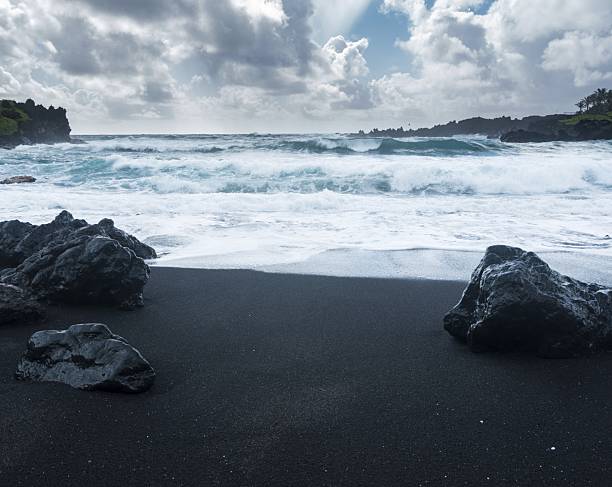
A good surf forecast begins with swell direction, height, and period. Height tells you how tall the waves may be, but period tells you how much energy is behind them. A long-period swell, often fourteen seconds or more, can wrap into sheltered coves and produce clean, powerful lines. A short-period swell is usually weaker, choppier, and more wind-driven. Direction matters just as much. A northwest swell may light up Honolua Bay and the west side, while a north swell focuses energy on Ho‘okipa and the north shore. Summer south swells can send fun waves to Kihei, Makena, and parts of Lahaina. If you only look at wave height, you may miss the real story. A three-foot wave with a long period and light wind can be far better than a six-foot wave with no shape.
Wind and tide are the next layer. Maui’s trade winds are famous, and they can turn a glassy morning into a textured mess by late morning. Surfers often check forecasts for wind speed and direction before deciding where to go. A light Kona wind can make unusual spots clean, while strong trades may push you toward a wind-protected bay. Tide can make or break a session too. Some breaks work best at mid-tide, others need high tide to soften the reef, and a few only wake up when the water drains low. Local forecast notes often mention tide windows, and paying attention to them can save you from a frustrating paddle.
Webcams add the reality check. A forecast is an educated guess, but a live camera shows what is actually happening right now. Before driving across the island, check whether the ocean is clean, crowded, or closed out. A webcam can reveal whether the wind has already switched, whether the tide is too high, or whether a swell has arrived earlier than expected. It can also show you the crowd. If a famous break is packed with forty surfers and you are still learning, that is useful information. A nearby, less glamorous spot might offer more waves and a friendlier vibe. Webcams are especially helpful on Maui because the island has so many microclimates. It can be raining in Haiku, sunny in Kihei, and windy in Paia all at once.
Surf videos do more than stoke your excitement. They teach local knowledge. Watching clips of Maui breaks helps you understand paddle-outs, currents, reef layout, and the way waves break on different swells. You can see where surfers sit, how they enter the water, and which sections are makeable. Videos also reveal etiquette. Notice how experienced surfers wait their turn, how they avoid dropping in, and how they respect locals who know the break. If you are planning a trip, watch videos from the season you plan to visit. Winter clips from the north shore look very different from summer clips in Kihei. That contrast will help you pack the right board, choose the right region, and set realistic expectations.
The magic happens when you combine all three. Start with the forecast to identify swell, wind, and tide. Check the webcam to confirm conditions and crowd. Watch a recent video or two to study the break and understand what a good wave looks like there. Then make a plan, but stay flexible. Maui’s surf can change quickly, and the best sessions often come from adapting rather than forcing a spot that is not working. If you are new to surfing, book a lesson with a local instructor and choose a mellow beach break. If you are experienced, respect the hierarchy, give space to locals, and never assume that a forecast guarantees perfection.
Maui rewards surfers who pay attention. The island’s waves are beautiful, powerful, and sometimes humbling. Forecasts, webcams, and videos are not just screens to scroll through. They are modern ways of reading the ocean, and they can help you find the right wave at the right time. Whether you are dreaming from a cold city or already smelling plumeria in the air, learning to use them will make your time in the water safer, smarter, and far more memorable.