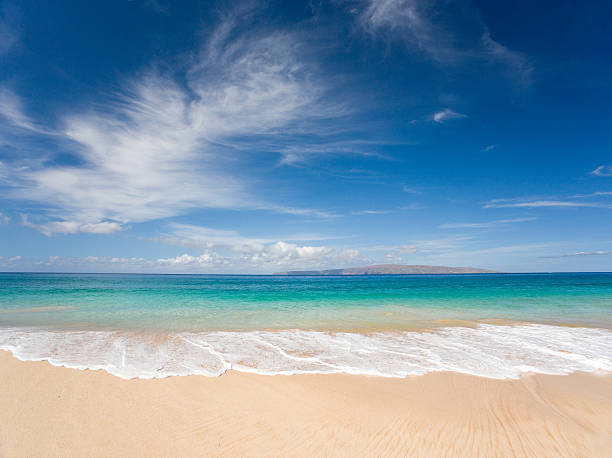
Maui’s nearshore waters are a portal to another world, and few encounters feel as magical as meeting a Hawaiian green sea turtle, known locally as honu. These gentle reptiles glide through warm blue water with an ease that makes even seasoned snorkelers pause. For many visitors, seeing a honu is the highlight of their trip. The experience is best when it happens on the turtle’s terms, with quiet observation and respect for the reef that sustains it.
Green sea turtles are native to Hawaii and protected by state and federal law. They feed on algae and seagrass in shallow reef flats, surfacing every few minutes to breathe. A snorkeler who understands this rhythm can anticipate where a turtle might rise, but should never block its path. Turtles also visit cleaning stations, where small fish remove parasites from their skin and shells. Touching, chasing, feeding, or riding a turtle is illegal and stressful for the animal. Float calmly at least ten feet away, hands and fins to yourself.
Several Maui snorkeling spots are famous for turtle sightings. Along the South Maui coast, Makena Landing and the area often called Turtle Town offer rocky coves and clear water. Wailea and Kihei have easy beach entries, though visibility varies with wind and swell. West Maui holds its own treasures: Honolua Bay, a marine life conservation district, can be glassy in summer; Kapalua Bay and Napili Bay are gentle and family-friendly; Olowalu is known for a long, shallow reef where turtles graze. Molokini Crater is better known for fish, but turtles do appear. Wherever you go, morning is usually best. Trade winds build by late morning, and winter swells can make north and west shores dangerous. Check weather, surf, and visibility reports before entering.
Reef etiquette matters as much as turtle etiquette. Hawaii has banned sunscreens containing oxybenzone and octinoxate because they harm coral. Choose a mineral-based reef-safe sunscreen, or wear a long-sleeve rash guard and leggings. Never stand on coral, even when tired or adjusting your mask. Coral is a living animal, and a single fin kick can damage years of growth. Use designated entry points, keep your body horizontal, and practice buoyancy. If you snorkel from shore, walk through sand channels and avoid shallow reef. If you take a boat, choose operators that use moorings instead of anchors and keep groups small. Do not feed fish, handle shells, or remove anything from the ocean. Take only photos and memories.
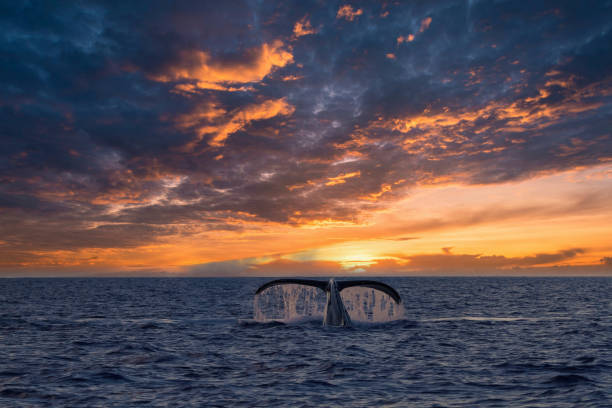
Maui’s marine wildlife extends far beyond honu. In winter and early spring, humpback whales migrate through the islands, breaching and slapping the surface in displays visible from shore. Spinner dolphins leap in offshore pods. Hawaiian monk seals, one of the world’s most endangered marine mammals, sometimes rest on Maui beaches and should be given generous space. Beneath the surface, parrotfish crunch coral, butterflyfish flit in pairs, and octopus hide in crevices. Eagle rays and occasional manta rays glide past. Keep your distance, never chase, and let animals choose how close they come. Follow local and federal guidelines for whales, dolphins, and seals. If you find an injured or entangled animal, report it to the statewide marine wildlife hotline.
Water sports offer many ways to meet this world. Snorkeling is the most accessible, but scuba diving opens deeper reefs and backwalls. Kayaking and stand-up paddleboarding let you explore calm bays and coastlines, though you should stay aware of wind and boat traffic. Outrigger canoe tours add cultural context and often lead to wildlife sightings with minimal disturbance. Sailing and whale-watching charters offer a dry, comfortable view. No matter the activity, choose guides who emphasize conservation, brief guests on wildlife distance, and discourage touching. The best operators treat the ocean as a shared home, not a theme park.
A turtle encounter is not a box to check. It is a quiet gift. When you float still and watch a honu rise for air, sunlight rippling across its patterned shell, you become part of the ocean’s rhythm. The memory will stay with you longer than any souvenir. By keeping your distance, protecting the reef, and supporting responsible operators, you help ensure that Maui’s sea turtles and marine wildlife thrive for the travelers who come after you.