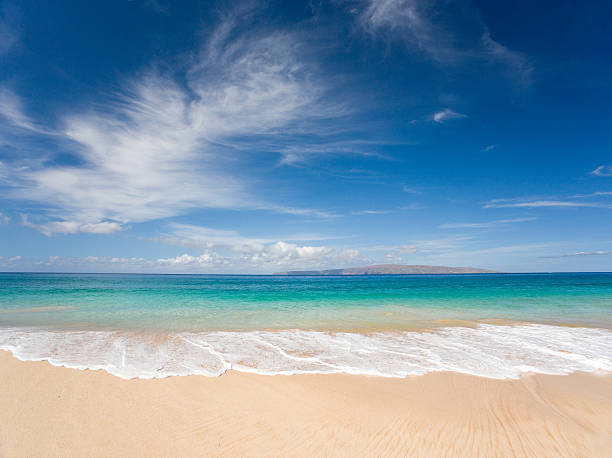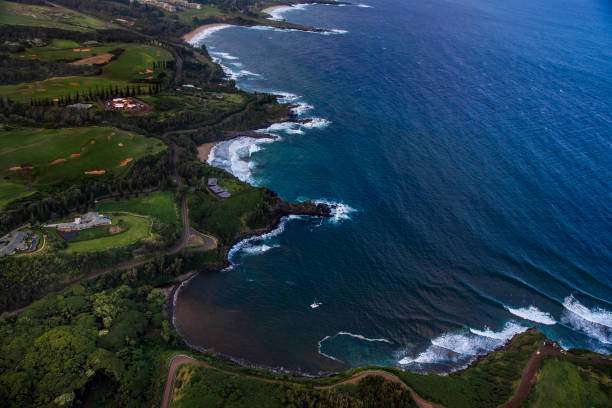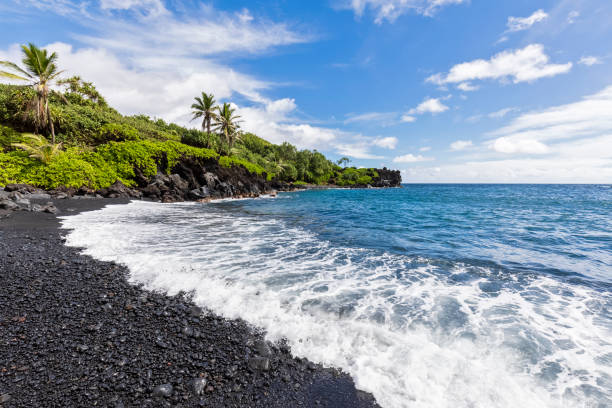
Maui is extraordinarily beautiful, but it is also home to people who live, work, raise families, practice traditions, and care for the land and sea. Travelers who arrive with curiosity and humility discover that the island rewards them not only with waterfalls and sunsets but with a deeper sense of connection. Sustainable and respectful travel means recognizing that you are a guest in a fragile ecosystem and a living culture. It means making choices that help Maui thrive for residents and future visitors.
Hawaiian history is essential to understanding how to travel here well. Before tourism, Maui was organized into ahupuaʻa, land divisions that stretched from the mountains to the sea. Each community managed its resources through shared rules and seasonal knowledge. The arrival of outside explorers, missionaries, whalers, and plantation agriculture reshaped the islands, often at great cost to Native Hawaiian communities. Today, Native Hawaiian culture remains vibrant and resilient. Respect begins with learning that story. Aloha is not just a greeting; it carries love, compassion, and mutual regard. Aloha ʻāina means love of the land; mālama ʻāina means to care for it. When you travel with aloha, you treat people, places, and traditions with the same care you would want for your own home.
One of the simplest ways to travel more sustainably is to reduce your footprint. Maui’s resources are limited, especially water and landfill space. Bring a reusable water bottle and refill it at hotels, cafes, and public stations. Say no to single-use plastics whenever possible. Choose reef-safe sunscreen with mineral filters like zinc oxide or titanium dioxide, or cover up with a rash guard or hat and use less sunscreen overall. When you visit beaches, take all your trash with you, including small items like hair ties and bottle caps. Leave tide pools exactly as you find them, and never take sand, rocks, coral, or shells. These small objects belong to the island’s natural systems.
Ocean encounters are a highlight of any Maui trip, but wildlife needs space. Hawaiian green sea turtles, monk seals, dolphins, and reef fish are not props. Stay at least ten feet from sea turtles and monk seals, and give them even more room if they are resting on shore. Never chase, touch, or feed marine animals. If you snorkel or dive, keep your fins off the coral and avoid standing on reefs. Choose tour operators who practice responsible wildlife viewing, small group sizes, and local hiring. Good operators teach about the ecosystem, not just promise photos.
Respect for culture and community matters just as much as environmental care. Sacred sites like heiau, ancient temples and places of worship, should be viewed from a distance unless signs invite you closer. Do not climb on or move stones. At a luau or cultural performance, choose one that employs Native Hawaiian performers and shares authentic stories rather than reducing culture to entertainment. Support local businesses: family-owned restaurants, farmers markets, art galleries featuring island artists, and Native Hawaiian-owned tours. Eating local food is sustainable and delicious. Try plate lunches, poke, kalua pork, fresh fish, tropical fruit, and shave ice made with local syrups. Buying from local farmers and fishers keeps money in the community and reduces the distance food travels.
Transportation also shapes your impact. Maui has limited roads and parking, and traffic can strain small towns. Consider renting a smaller vehicle, carpooling, or using shuttles where available. If you drive the Road to Hāna or the back side of Haleakalā, go slowly, yield to locals, and do not stop in the road. Stay on marked trails to prevent erosion and protect native plants. Volunteer for a beach cleanup or restoration project if your schedule allows; even a few hours can deepen your trip and leave the island better.
Sustainable and respectful travel on Maui is a practice, not a checklist. It means slowing down, listening, and choosing experiences that honor the island’s culture and ecology. You can still snorkel, hike, feast, and watch sunsets, but when you travel with aloha, those moments become part of a larger story of care. You leave with memories, and Maui keeps its beauty, spirit, and community intact for the next traveler.