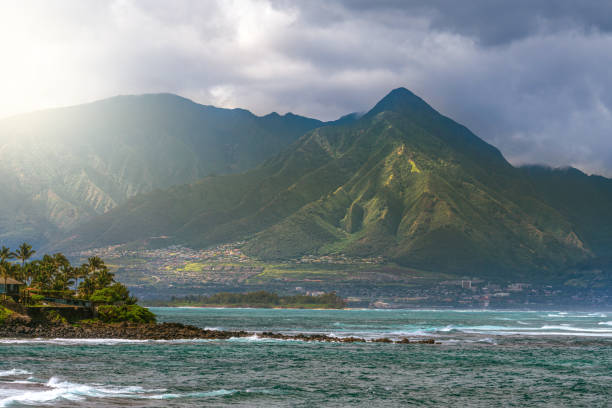
Maui looks compact on a map, but the island unfolds in distinct regions, each with its own weather, pace, beaches, and sense of place. The region you choose will shape almost everything: how far you drive to dinner, how easy it is to snorkel at sunrise, whether you wake to rain on the roof or trade winds rustling palms. For frequent visitors and first-time dreamers alike, choosing a region is less about finding the single best area and more about matching your travel style to the right corner of Maui.
West Maui is often the first image people have of the island. Kaanapali, Lahaina, Napili, and Kapalua string along the leeward coast with resort pools, sandy coves, and famous sunsets. It suits travelers who want convenience, oceanfront dining, golf, and easy snorkeling and whale watching in season. Families love the calm beaches and kid-friendly resorts; couples love evening strolls and waterfront meals. The trade-off is traffic and popularity; West Maui can feel busy. It also makes the rest of the island feel farther away, though the drive to South Maui or Upcountry is part of the adventure.
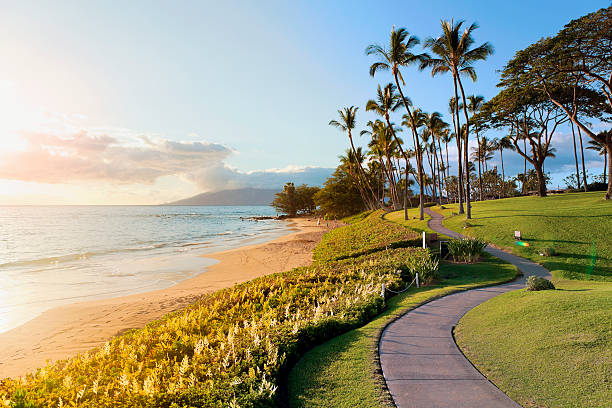
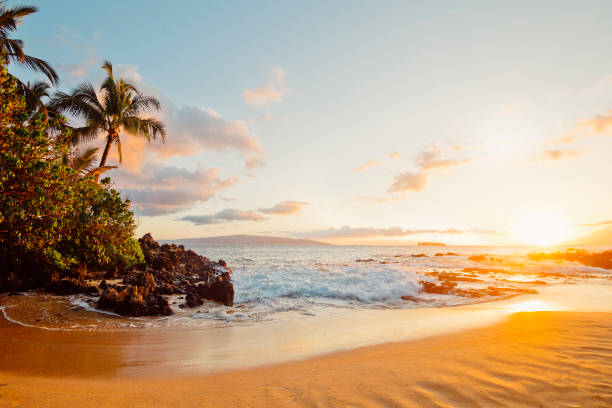
South Maui offers another classic base, with Kihei, Wailea, and Makena spreading across a sunny, dry coastline. Kihei is casual and condo-friendly, with farmers markets, food trucks, and long beaches. Wailea turns up the polish with luxury resorts, manicured gardens, and excellent restaurants. Makena feels wilder, with lava fields and a famous beach park. South Maui is a strong choice for travelers who want reliable sunshine, easy beach days, and proximity to Molokini, Maalaea Harbor, and the airport. It is also central enough for day trips to Upcountry or the Road to Hana.
If you crave a laid-back, wind-swept vibe, the North Shore around Paia and Haiku may be your place. Paia is a charming town with colorful storefronts, healthy cafes, and a steady stream of surfers heading to Ho’okipa. Haiku feels lush and residential, tucked into rainforest and fruit trees. This region suits windsurfers, kiteboarders, artists, and travelers who prefer local energy over resort polish. It is cooler and rainier than the west or south, and the ocean can be rough, so it is not ideal for every swimmer. But for the right person, the North Shore feels like the real Maui.
Upcountry Maui, including Makawao, Kula, and Pukalani, sits on the slopes of Haleakala. Here the air is crisp, the views stretch across the island, and ranches, farms, and botanical gardens define the landscape. Staying Upcountry means waking to cool mornings, exploring small towns, and being close to sunrise at Haleakala or hiking trails. It is perfect for travelers who value solitude, local food, and countryside quiet. The trade-off is distance from the beach; you will drive downhill for snorkeling and sunbathing. For some, that trade is worth it for stargazing.
East Maui and Hana are for those who want to disappear into rainforest, waterfalls, and old Hawaii. The road to Hana is not just a day trip; staying overnight lets you experience the region after the day-trippers leave. Hana offers small inns, local food stands, and powerful natural beauty. It is remote, with limited dining and services, so it rewards preparation. This is not the base for a whole week of resort hopping, but a night or two here can be the most memorable part of a Maui trip.
When choosing your region, start with your daily rhythm. Do you want to walk to the beach every morning, or are you happy to drive? Do you need nightlife and restaurants, or do you prefer quiet stars? Are you chasing surf, snorkeling, hiking, or simply rest? Maui’s microclimates matter too. The leeward west and south sides are generally sunnier, while the north and east are greener and wetter. Winter swells can change ocean conditions, and summer trade winds can make certain beaches breezier.
Many travelers split their stay between two regions, pairing West or South Maui with Hana or Upcountry. That approach lets you experience both resort ease and wild beauty without long daily drives. Book early, especially for holidays and winter whale season. The best choice is the one that matches the way you want to feel each day: pampered, adventurous, barefoot, or far from the crowd.