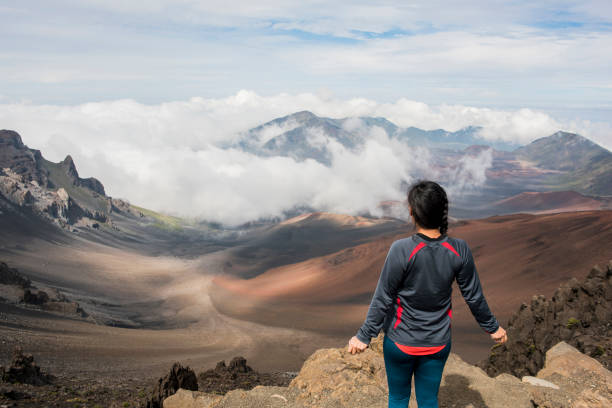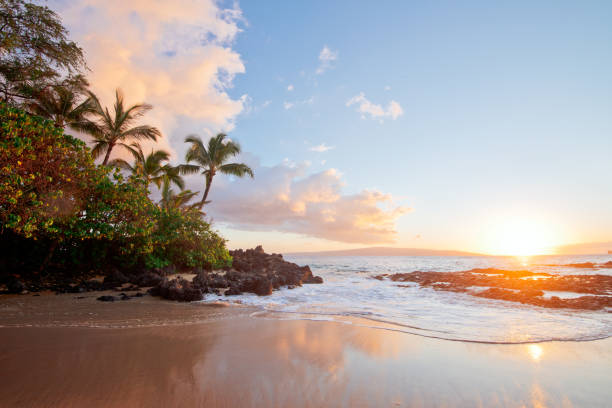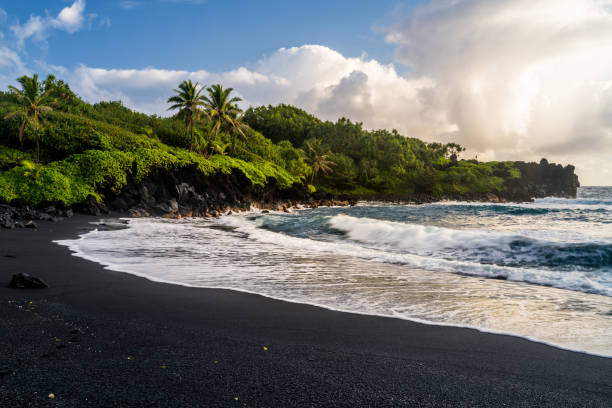
Maui’s food scene is not one single experience. It shifts with the landscape, from the resort-lined shores of West Maui to the ranchlands of Upcountry, the surf town of Paia, and the rainforest edge of Hana. Planning meals by region is one of the smartest ways to eat well on the island. The reward is a trip that tastes like Maui itself: multicultural, farm-driven, ocean-fresh, and pleasantly unpretentious.
West Maui is where many visitors begin. In Kapalua and Napili, you will find oceanfront restaurants with polished service and menus built around Hawaiian fish, locally grown produce, and upcountry beef. Merriman’s Kapalua is a classic for sunset views and Hawaiian regional cooking, while casual spots in Napili serve banana macadamia nut pancakes, fish tacos, and shave ice. Kaanapali adds resort dining with hula pie, pupu platters, and creative cocktails. In Lahaina, the scene continues to evolve, so it is wise to check current openings before you go.
South Maui splits neatly between laid-back Kihei and luxurious Wailea. Kihei is the place for casual, affordable, and consistently delicious meals. Breakfast at a busy local cafe, a plate lunch of kalua pork and cabbage, fish tacos with mango salsa, or a shave ice after the beach. Wailea brings white-tablecloth dining, sushi bars, and ocean-view restaurants where the mai tais are as memorable as the entrees. The best approach is to mix both: a casual lunch in Kihei, then a special dinner in Wailea. Look for menus that feature locally caught ono, mahi-mahi, ahi, and monchong, along with Maui-grown vegetables and tropical fruit.
Central Maui is the island’s everyday heart, and it is where you will find some of the most honest food on Maui. Kahului and Wailuku are not resort areas, which means lower prices, bigger portions, and a mix of Filipino, Japanese, Portuguese, Hawaiian, and Vietnamese influences. This is plate lunch country: teriyaki chicken, kalbi ribs, macaroni salad, and two scoops rice. You can also find excellent saimin, dry mein, manapua, and baked goods. Food trucks around Kahului serve garlic shrimp, tacos, and Thai plates. A stop here feels like eating alongside residents rather than tourists, and that is exactly the point.
Upcountry Maui, which includes Makawao, Pukalani, and Kula, is cooler, greener, and deeply agricultural. The dining here reflects ranch life and farm-to-table cooking. Menus highlight strawberries, tomatoes, lettuce, corn, goat cheese, beef, and lavender. Makawao has a charming paniolo town feel with bakeries, sushi, and cafes. Kula offers restaurants with sweeping views and dishes that taste like the garden they came from. Do not skip the local bakeries, where cream puffs, malasadas, and coffee are worth the drive. A morning in Upcountry can easily become a long lunch, then a slow afternoon wandering through farms and flower stands.
The North Shore, centered on Paia and Haiku, is a favorite for surfers, windsurfers, and food lovers. Paia is small but packed with flavor: fish markets, health-focused cafes, bakeries, and a famous oceanfront restaurant that many travelers book months in advance. The town is perfect for a casual breakfast before the Road to Hana or a late lunch after a beach day. Haiku adds hidden cafes and local markets where you can grab picnic supplies. The vibe is relaxed, creative, and barefoot-friendly.
East Maui and Hana are remote, so expectations should shift. This is not the place for fine dining, but it is a wonderful place for simple, memorable food. Roadside stands sell banana bread, fresh coconut, smoothies, and grilled fish. In Hana, you will find general stores, food trucks, and small restaurants serving Thai, Hawaiian, and plate lunch favorites. Pack snacks and water for the drive, and treat every stop as part of the adventure. The food may be simple, but the setting makes it unforgettable.
The key to eating well on Maui is to let the region guide you. Stay close to where you are playing, ask locals what they love, and try something you cannot get at home. Whether it is a fancy sunset dinner, a garlic shrimp plate, or a warm malasada, each region offers its own delicious reason to return.