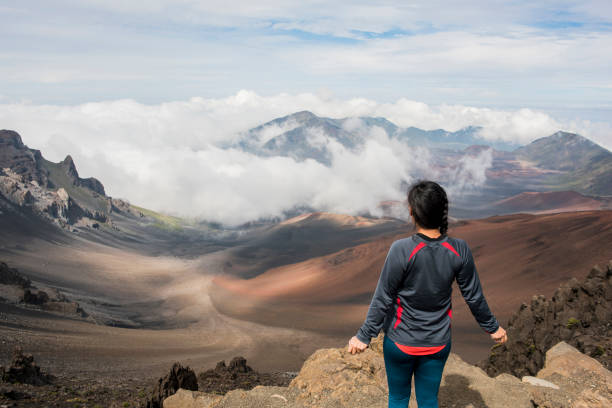
Haleakala is more than a sunrise destination. It is a shield volcano, a broad, gently sloping mountain built by countless flows of fluid basaltic lava. When you stand at the summit, you are not looking into a single explosive crater. You are looking across a vast erosional depression that later filled with younger volcanic features. That distinction matters, because it changes how you see the landscape. The colors, shapes, and textures around you are chapters in a long geological story.
The summit depression spans miles across, and its floor is dotted with cinder cones. These are not random hills. They are young volcanic vents that erupted through the older floor. Each cone formed when gas-rich lava exploded into the air, falling back as cinders, ash, and spatter. The result is a steep, colorful mound. Some are red from oxidized iron, others black or gray. Hiking down Sliding Sands Trail, you descend through layers of cinder and ash. Every step is a reminder that this “crater” was built, eroded, and built again.
The broader shape of Haleakala reveals how shield volcanoes grow. Thousands of lava flows stacked over time, each one cooling into rock before the next arrived. Because the lava was runny, it traveled far before solidifying, creating the mountain’s gentle profile. Along the rift zones, cracks in the volcano’s flanks, lava found easy paths to the surface. That is why you see chains of cinder cones and elongated vents rather than one central peak. From the summit, you can trace these lines of cones and imagine the eruptions that created them.
Lava tubes add another layer. When a flow’s surface cools and crusts over, molten lava can continue moving underneath like water in a pipe. Eventually the eruption stops, the lava drains away, and a hollow tube remains. Maui has lava tubes in several areas, including near Hana, where walking through one feels like entering a stone tunnel shaped by fire. The walls may show smooth, ropy pahoehoe textures or sharp, chunky a‘a. These tubes are fragile. They preserve clues about flow direction, volume, and speed. If you visit one, resist touching the walls and never remove rock.
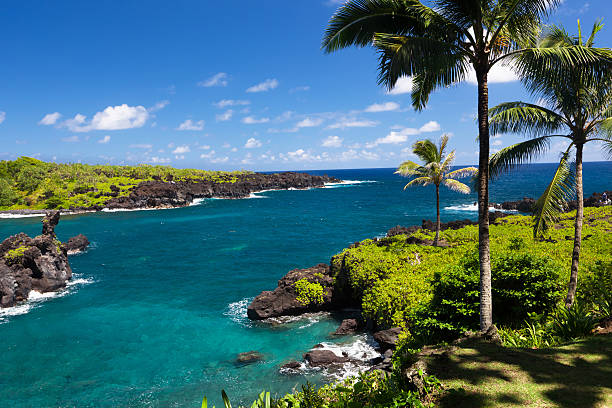
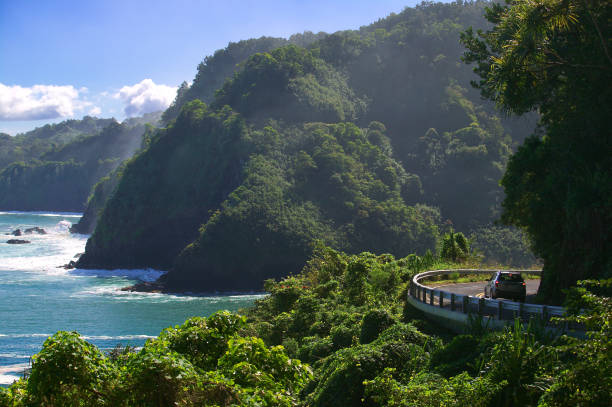
Water and wind have also sculpted Haleakala. Trade winds carry moisture to the windward slopes, feeding rainforests and carving deep valleys. Ko‘olau Gap and Kaupo Gap are dramatic examples, huge erosional cuts that expose the volcano’s internal plumbing. Streams and waterfalls along the Hana coast have sliced through layer after layer of lava. On the leeward side, the mountain casts a rain shadow, creating dry alpine desert near the summit. This contrast is part of Haleakala’s magic. In a single day, a hiker can move from cloud forest to cinder desert to coastal jungle.
For travelers, reading the geology makes every hike richer. Look for the difference between smooth pahoehoe and rough a‘a. Notice how cinders crunch underfoot. See where ash layers form soft banks and where lava rock forms hard ledges. On trails like Halemau‘u, you may cross old flows and peer into valleys carved by water. At the summit, the air is thin and weather changes fast, so bring layers, water, and sun protection. Stay on marked trails. The alpine terrain is fragile, and loose cinders can be slippery.
The living world is woven into this volcanic setting. Silverswords, with their silver hairs and rosette shapes, survive in harsh summit conditions. Nene, Hawaii’s state goose, sometimes grazes in grassy areas. These species evolved alongside eruptions, erosion, and isolation. Their presence reminds us that volcanic landscapes are not barren for long. New lava weathers into soil, seeds arrive, and life takes hold. The process is slow but relentless.
Haleakala is often called dormant, not extinct. Its last eruption was centuries ago, but the volcano is still capable of change. The same forces that built the island could reshape it again. When you visit, you are seeing a snapshot of an ongoing story. Whether you drive to the summit for sunrise, hike into the depression, or explore the Hana coast, let the rocks speak. The cinder cones, lava tubes, and deep valleys are not just scenery. They are evidence of fire, water, time, and the restless earth beneath Maui.