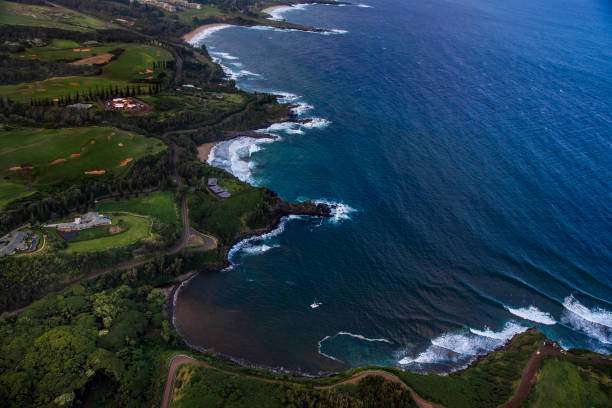
Maui is one of the few places on earth where the wind itself feels like a natural attraction. The northeast trade winds sweep across the Pacific, then funnel between Haleakala and the West Maui Mountains, accelerating across the isthmus and turning the island’s north shore into a world-class windsurfing and kitesurfing arena. Summer, roughly May through October, offers the most reliable wind, often filling in by late morning and building through the afternoon. Winter can still deliver great sessions, but the pattern shifts with Kona winds, rain showers, and larger swells. For travelers who have dreamed of harnessing the wind on turquoise water, Maui is a bucket-list destination.
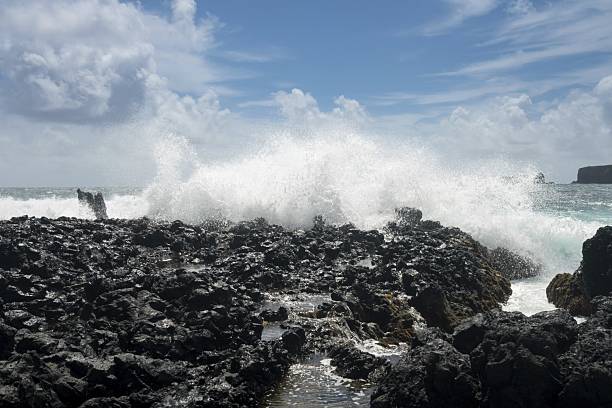
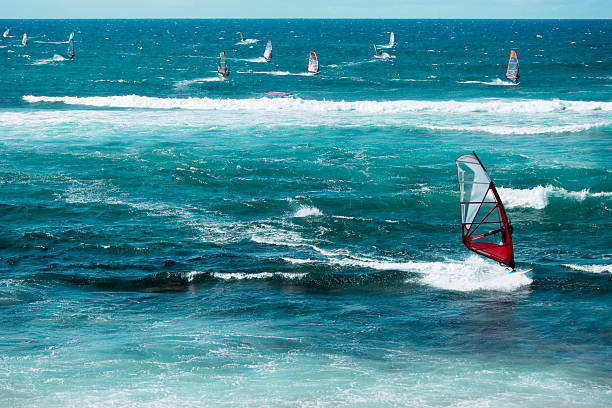
Ho‘okipa Beach Park is the spiritual home of Maui windsurfing. Its waves break over shallow reef, and the wind can be strong, gusty, and unforgiving. This is not the place to learn. It is a proving ground for expert sailors who understand wave selection, currents, and equipment control. Watching from the overlook is thrilling in itself, especially when sailors launch high into the air and carve back into the pocket. Kiteboarders often prefer other north-shore launches for more space and safer conditions, but Ho‘okipa remains the symbol of Maui’s windsurfing legacy. If you are new to the sport, admire it, respect it, and save your own water time for a friendlier spot.
For most visitors, Kanaha Beach Park and the nearby Kite Beach area are the better starting point. Inside the reef, the water is flatter and the wind is steady, making it ideal for lessons, water starts, jibes, and transitions. Outside the reef, more advanced riders find waves and chop to challenge their skills. Windsurfers and kiteboarders share this coastline, so launching, landing, and right-of-way etiquette matter. Morning sessions are often calmer and less crowded, while afternoons bring the strongest trade winds. Beginners should book lessons with certified instructors who know the reef, the currents, and the local rules.
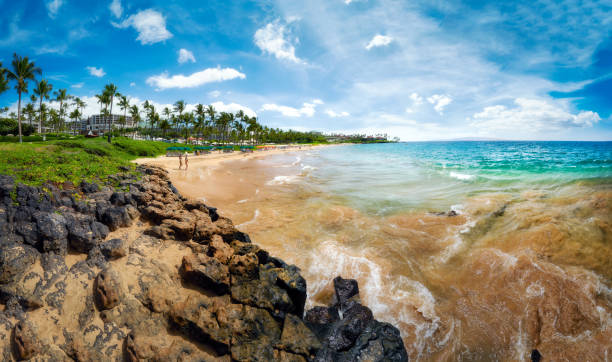
The south and west sides of Maui offer gentler alternatives when the north shore is too wild or the trade winds ease. Kihei’s Waipuilani Park is a popular kiteboarding spot with side-onshore wind and a more relaxed vibe. Lahaina and Launiupoko can also provide fun sessions in the right conditions, though the wind is less consistent than up north. These areas are good for families, casual riders, and anyone who wants to combine water time with beach days, snorkeling, and sunset dinners. They are not replacements for the north shore’s power, but they add variety to a Maui wind trip.
Gear and conditions matter. Boards range from wave, freestyle, and freeride shapes, while kites and sails are sized for wind strength and rider weight. Maui’s water is warm enough for boardshorts or a rash guard most of the year, but reef booties can save your feet from coral and urchins. Check the forecast for wind speed, direction, tide, and swell before you rig up. Trade winds typically build through the day, so a morning paddle or surf session can pair perfectly with an afternoon wind session. Rentals and shops are available in Kahului, Paia, Kihei, and Lahaina, but reserve lessons and gear early during peak season.
Safety and respect are essential. Maui’s reefs are sharp, currents can be strong, and the ocean does not care how experienced you think you are. Never ride alone if you can avoid it, and always know how to self-rescue. Give space to swimmers, surfers, snorkelers, and other wind athletes. Watch for turtles, monk seals, and, in winter, humpback whales. Keep a respectful distance from wildlife and use reef-safe sunscreen. Park legally, do not block beach access, and pack out everything you bring. Local residents share these beaches every day, so humility and courtesy go a long way.
Lessons are the smartest investment. A good instructor shortens the learning curve, teaches safety, and helps you avoid dangerous mistakes. Beginner kiteboarders often start at Kite Beach or Kihei, while windsurfing lessons are common at Kanaha. Learn how to launch, land, self-rescue, and read the wind before you worry about speed or tricks. Join the local community by asking questions, observing patterns, and supporting shops and instructors who protect the sport’s future.
Planning a trip around wind sports takes flexibility. Stay near Paia, Haiku, or Kahului if the north shore is your priority. Choose Kihei, Wailea, or Lahaina if you want calmer water and more varied island activities. Rent a car so you can chase the best conditions. Build in backup plans: surfing, snorkeling, hiking, and exploring towns. Wind is never guaranteed, but Maui rewards those who adapt.
In the end, windsurfing and kitesurfing on Maui are about more than adrenaline. They are a dance with the trade winds, the reef, and the sea. Whether you are gliding across flat water for the first time or carving down a wave at Ho‘okipa, the island offers an unforgettable connection to the ocean. Come prepared, stay humble, and let the wind decide how the day unfolds.