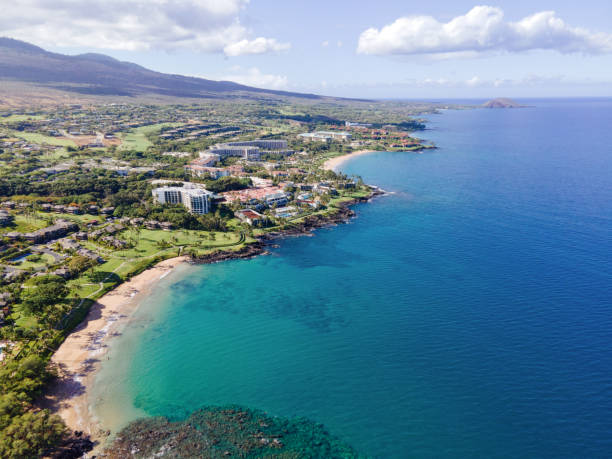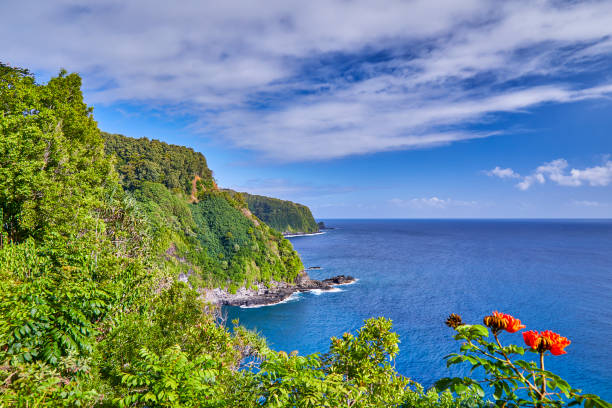
Maui’s waves are a gift, but they are not a theme park. They rise from deep Pacific swells, break over sharp reef, and move with a power that can humble even strong swimmers. Whether you are paddling out for the first time at a gentle Kihei break or watching experts at Honolua Bay, the best way to enjoy Maui’s surf culture is to arrive with humility, patience, and respect. The ocean does not care how many waves you caught last summer. It asks you to pay attention.
Before you ever enter the water, spend time watching. Sit on the beach for twenty minutes and study the lineup. Where are the sets breaking? Which way is the current pulling? Is there a channel where water returns to the sea? Are local surfers sitting in a certain spot? On Maui, conditions change quickly with tide, wind, and swell direction. A break that looks playful in the morning can become heavy by afternoon. Check the surf report, but trust your eyes and the lifeguards more. If you are unsure, ask a surf shop or a lifeguard about the best place for your ability. That single question can keep you out of danger and out of the way.
Surf etiquette is simpler than it sometimes appears. The surfer closest to the peak, the part of the wave where it first breaks, has priority. If someone is already riding, do not drop in. Paddle around the lineup, not through it, and keep your board close so you do not hit anyone. When a set approaches, do not ditch your board and dive under it; that loose board can injure someone behind you. If you make a mistake, raise a hand, say sorry, and move on. Everyone misreads a wave sometimes. What matters is how you respond. Snaking a wave, paddling inside someone, or ignoring the lineup will not earn you respect. Sharing waves, cheering for others, and waiting your turn will.
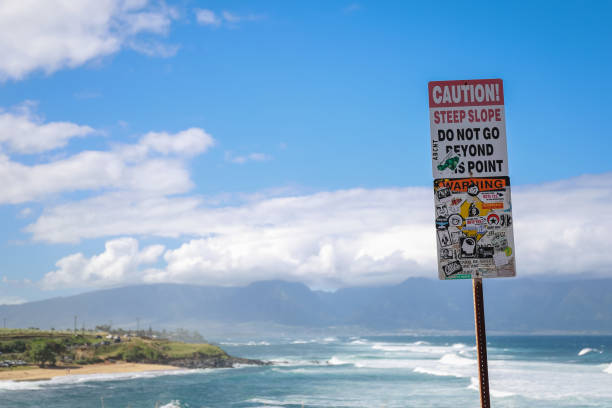
Safety on Maui begins with knowing your limits. The island has world-class reef breaks, but many of them are not for beginners. Honolua Bay and Ho‘okipa can be expert-only when the swell fills in. Beginners are usually better off with a surf school at a softer beach break, where instructors know the tides and the crowd. Wear a leash, but do not treat it as a guarantee. Reef cuts happen, so protect your head and feet, and never dive headfirst into shallow water. If you get caught inside, stay calm, paddle toward the channel, and let the whitewater pass. If a rip current pulls you, do not fight it directly. Swim parallel to shore or ride it until it releases, then signal for help if needed.
Ocean respect goes beyond the lineup. Maui’s reef is alive, and touching coral can kill it. Keep your feet off the reef, use reef-safe sunscreen, and take all trash back to the beach. Give turtles, monk seals, and dolphins plenty of space. Never chase or corner them. They are not props for a photo. Respect the land as well. Some beaches and trails are culturally significant, and place names carry history. Learn a little about Hawaiian culture and the meaning of aloha. It is not just a greeting; it is a way of being present, generous, and respectful.
Maui’s surf culture is rooted in local families, generations of water knowledge, and a deep love for the ocean. Visitors are welcome, but welcome is earned through attitude. Do not crowd a local surfer. Do not assume every wave is yours. If a spot is too crowded or too advanced, go elsewhere. There are miles of coastline and many moods of ocean. A smaller, quieter day can be more fun than fighting for scraps at a famous break.
In the end, surfing is a privilege. The water gives you rides, sunsets, and memories, but it also demands care. Learn the etiquette, respect your limits, and protect the ocean that makes Maui magical. When you paddle in, leave the lineup better than you found it. That is how you honor the waves, the island, and the people who call Maui home. The ride is better when everyone is safe, smiling, and full of aloha.