Maui’s surf calendar is not a single rhythm. It is a conversation between two great oceans. From November through March, the North Pacific awakens, sending long-period northwest swells toward Maui’s north and west shores. From April through October, the Southern Hemisphere takes over, pushing south swells into Kihei, Wailea, and Makena. Between those two engines, trade winds add texture and windswell along the east and northeast coast. Understanding that seasonal shift is the key to choosing the right break, and the right board, on any given trip.
Winter is Maui’s big-wave season. The north shore becomes the island’s beating heart. Ho’okipa Beach Park, just east of Paia, is the most famous arena, with powerful reef breaks that draw expert surfers and windsurfers. It is not a beginner’s wave; the currents, shallow reef, and local hierarchy demand respect. A few miles east, Peahi, known as Jaws, can transform into one of the world’s most intimidating tow-surf and big-wave venues when a massive northwest swell arrives. Watching from the cliff is unforgettable, but surfing there is only for the highly experienced. For strong intermediates, Baldwin Beach and Paia Bay can offer smaller, more manageable peaks on moderate days, though conditions change quickly. Kanaha, near Kahului, often has windswell and softer shoulders, making it a better choice when the north shore is maxing out, but the wind can be relentless.
The west side also comes alive in winter. When a solid northwest swell wraps around the island, Lahaina and its neighboring reefs light up. Honolua Bay is the crown jewel: a long, reeling right-hand point break that can be world-class. It is also a marine preserve with a rocky entry, sharp reef, and a tight local lineup, so it is best left to advanced surfers who understand the etiquette. Further south, Ukumehame, also called Thousand Peaks, offers long, rolling waves that can suit longboarders and intermediates when the swell is moderate. Puamana and Lahaina Harbor can have fun waves, but the reef and sea urchins demand caution. Launiupoko is a gentler longboard wave, ideal for beginners on small days, though it can get crowded and mushy.
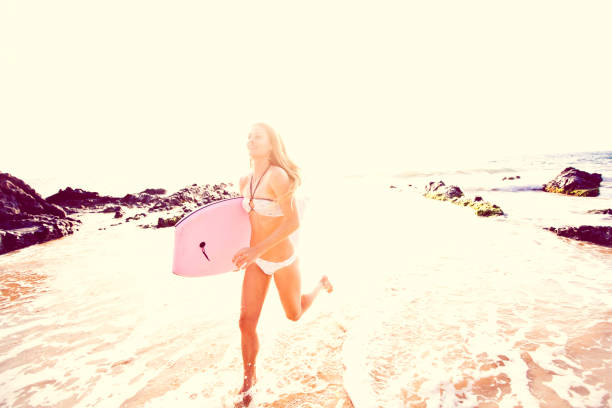
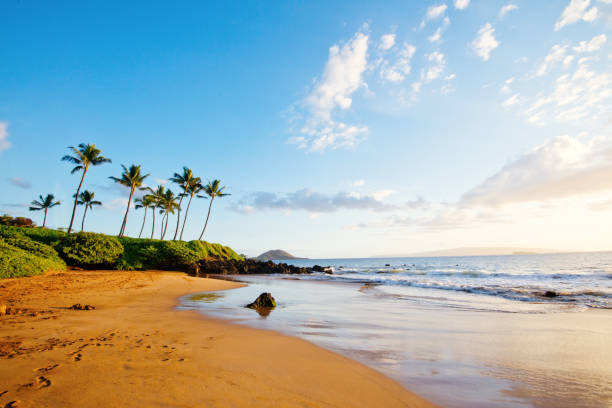
Summer flips the script. The north shore often goes flat or becomes a wind-sport playground, while the south shore wakes up. Kihei is the easiest place to start. Cove Park, at the north end of Kihei, is a forgiving spot for beginners, especially on small south swells and high tide. Nearby Charley Young Beach and the Kamaole beaches can offer mellow rollers for longboards and soft-tops. As you head south toward Wailea and Makena, the waves gain more power. Makena Beach, also called Big Beach, is famous for its steep shorebreak; it is beautiful but dangerous for inexperienced surfers, with heavy closeouts and strong currents. On smaller summer days, the breaks around Wailea can be fun for competent surfers, but watch for rocks and variable tides.
Spring and fall are the shoulder seasons, and for many travelers they are the sweet spot. Swells from both north and south can appear, winds are often lighter, and crowds thin out. You might score clean, waist-high waves at Launiupoko in the morning, then find fun south swell peaks in Kihei by afternoon. The trade winds usually build by late morning, so dawn patrol is almost always your best bet. This is also a good time to hire a local instructor, rent a proper board, and learn how to read Maui’s reefs. The island’s surf culture is warm but protective; paddling out with humility, waiting your turn, and letting locals have the best sets will make your session better.
No matter the season, Maui rewards preparation. Check the swell direction, period, tide, and wind before you paddle out. A northwest swell may skip Kihei entirely, while a south swell can leave Ho’okipa almost flat. Reef boots, sunscreen, and a friend are smart companions. And if the conditions are beyond your ability, simply watch. Maui’s waves are a gift, not a challenge to conquer. Choose the right coast for the season, respect the ocean and the people who call it home, and you will understand why surfing here is less a sport than a way of life.