Maui rewards travelers who plan just enough to feel unhurried. Five days is a generous first taste if you choose one or two anchor experiences and let the island fill in the rest. Start by deciding where to stay. West Maui, around Ka‘anapali and Lahaina, offers calm sunsets, easy beach access, and quick trips to snorkeling at Black Rock. South Maui, from Kihei to Wailea, brings dependable sunshine, family-friendly coves, and a laid-back condo culture. Upcountry, near Makawao and Kula, feels cooler, greener, and more rural, with farm stands and wide views. The North Shore around Pa‘ia is a slower, surf-forward base close to Hookipa and the road to Hana. Splitting your stay between West or South Maui and the North Shore can reduce driving and reveal two distinct moods.
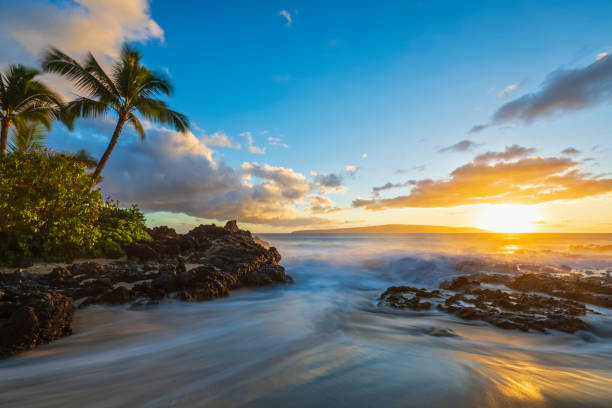
Day one should be gentle. After landing, pick up your rental car, stock water and snacks, and head to your base. Settle in, walk the beach, and watch the sunset. In South Maui, a swim at Kamaole Beach Park or a stroll along Wailea’s coastal path sets the tone. In West Maui, Ka‘anapali Beach and the nearby wharf offer an easy welcome. Dinner might be fresh fish tacos, shave ice, or a plate lunch with kalua pork and mac salad. Keep the evening simple; jet lag and ocean air are real.
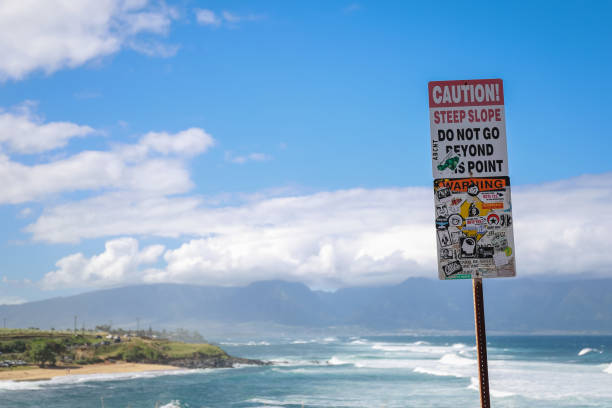
Day two can be your ocean day. Book a morning snorkel or sail, when water is calmest. Molokini Crater is famous for clarity, though tours can be crowded; a smaller boat or a shoreline snorkel at Ahihi-Kinau or Kapalua Bay is just as magical. If you prefer being on the water rather than under it, try stand-up paddleboarding, kayaking, or a surfing lesson in Kihei or Lahaina. Afternoon is for beach time, maybe a nap under a palm. In the evening, explore a historic town. Lahaina’s Front Street carries layers of whaling, missionary, and plantation history, while Pa‘ia blends old plantation-era storefronts with modern cafes and surf shops. Talk to locals, respect private property, and remember Hawaiian culture is living, not a backdrop.
Day three belongs to Haleakala. You need not wake at 3 a.m. for sunrise, though sunrise is unforgettable when reserved in advance. A midday or sunset trip to the summit can be equally profound, with fewer crowds and warmer layers. Drive up slowly, stopping at Kula for coffee, baked goods, or a farm tour. At the summit, silversword plants and cinder cones feel otherworldly. Weather changes quickly, so bring layers, water, and closed shoes. On the way down, visit Makawao for its paniolo, or Hawaiian cowboy, heritage and small galleries. Upcountry meals often highlight local produce, beef, and goat cheese. End with a relaxed dinner and early night.
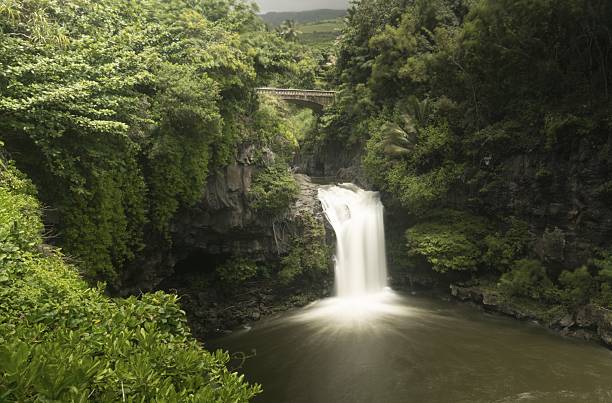
Day four is the Road to Hana, but treat it as a journey, not a race. Leave early, download offline maps, and fill the tank. The highway curves through rainforest, waterfalls, botanical gardens, and old fishing villages. Popular stops include Twin Falls, Waikani Falls, Wai‘anapanapa State Park, and Hana town itself. Reservations may be required, so check ahead. The joy is in choosing a few stops and lingering. Swim only where safe and never cross private gates. If you continue past Hana, the back road may be rough or closed; check conditions. Return by evening or stay overnight in Hana to savor the quiet. A banana bread stand, a red sand beach overlook, and the sound of rain on leaves can be the day’s best souvenirs.
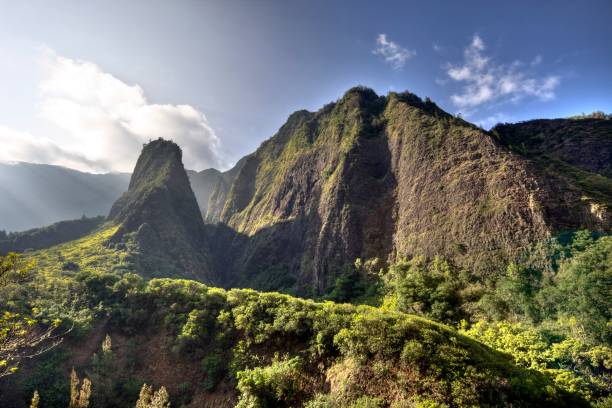
Day five can be flexible. Repeat a favorite beach, take a morning hike such as the Pipiwai Trail or Waihee Ridge, or book a farm-to-table brunch. Use this day to explore Molokini again, take a helicopter tour, or simply do nothing. That is allowed in Maui. Before you leave, consider a cultural experience: a luau with genuine storytelling, a hula performance, or a visit to a historical site. Places like Iao Valley and Moku‘ula are sacred. Move with respect, leave no trace, and support local businesses. Five days will not show you everything, but a thoughtful itinerary lets you feel Maui’s rhythms: ocean mornings, mountain afternoons, and starlit evenings. You will go home planning the next visit.