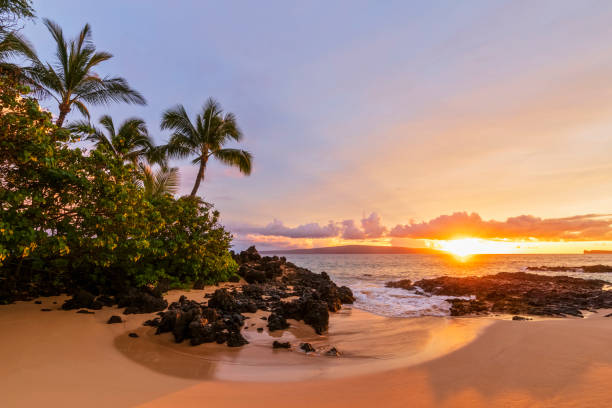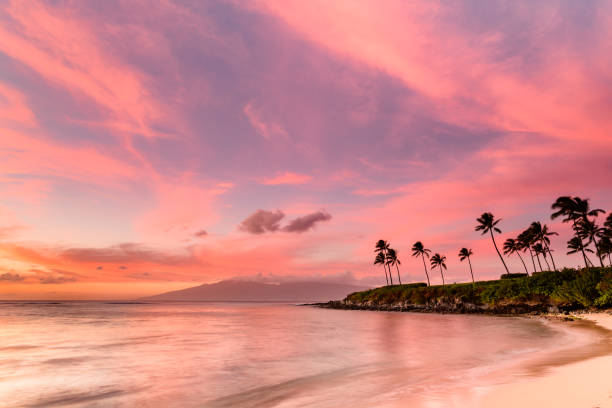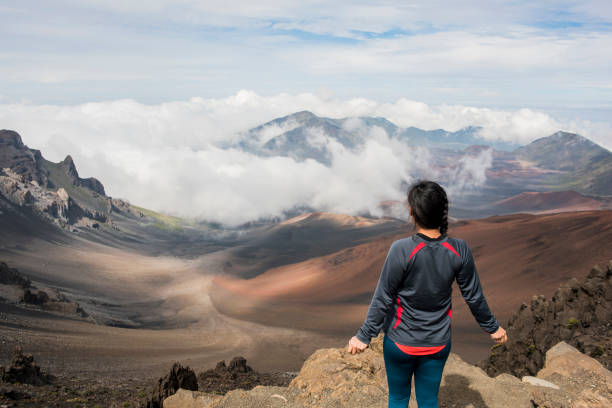
Maui is often pictured as a postcard: golden beaches, humpback whales breaching offshore, sunrise over Haleakala, and the winding road to Hana. Those images are real, but they are only part of the story. The true heart of Maui is its people. Understanding who lives here, how they got here, and what daily life looks like can turn a good vacation into a meaningful connection with the island. It also helps you travel with respect, knowing that Maui is not just a destination but a home for thousands of families.
Maui County, which includes Maui, Molokai, Lanai, and the uninhabited island of Kahoolawe, is home to roughly 165,000 residents. Maui itself holds the majority of that population, with about 150,000 people. Most residents live in Central Maui around Kahului and Wailuku, in South Maui near Kihei and Wailea, in West Maui around Lahaina and Napili, and Upcountry in towns like Makawao, Pukalani, and Kula. East Maui, including Hana, remains far more rural, where spacious ranches, rainforest, and small communities define the rhythm.
The demographics of Maui are richly diverse. You will meet people with Native Hawaiian ancestry, as well as Filipino, Japanese, Chinese, Portuguese, Puerto Rican, Korean, and Hispanic roots. Many residents trace their family histories to the plantation era, when sugar and pineapple companies recruited workers from around the world. That history created a multicultural society where mixed heritage is common and where food, language, and music blend in delicious and beautiful ways. English is the main language, but you may hear Hawaiian, Pidgin, Tagalog, Ilocano, Japanese, and other languages in daily conversation.
Island life on Maui moves to a different beat. It can be relaxed, but it is not lazy. Many residents work long hours in tourism, healthcare, construction, agriculture, education, and government. The cost of living is among the highest in the United States, and housing remains a serious challenge. Families often work multiple jobs, and young people sometimes leave for college or cheaper places to live. Traffic can be heavy, especially around Kahului, Kihei, and Lahaina. Yet community remains strong. Ohana means family, and it extends beyond blood to neighbors, coworkers, and friends who show up when someone needs help.
You can feel Maui’s culture in everyday moments. It is in the shaka exchanged between drivers, the plate lunch shared at a beach park, the hula performed at a community event, and the canoe clubs paddling out at sunset. It is in the farmers markets selling mango, avocado, and lilikoi, and in the small talk at a local grocery store. Residents often value humility, generosity, and respect. Aloha is not just a greeting; it is a way of treating others with kindness and responsibility. Malama means to care for, and it applies to the land, the ocean, and one another.
For visitors, understanding population and island life means adjusting expectations. Maui is not a theme park. It is a living community with schools, commutes, budgets, and concerns. Drive with aloha. Do not honk impatiently. Wave thanks when someone lets you in. Never block a driveway or park illegally. Ask before entering private property, and respect closed trails and beaches. Support local businesses, eat local food, and learn a few Hawaiian words. Remember that ocean safety is serious; ask lifeguards about conditions and never turn your back on the waves.
Maui’s population is also resilient. In recent years, the island has faced wildfires, economic shifts, and the ongoing pressure of balancing tourism with local needs. Residents continue to rebuild, protect cultural sites, and plan for a future that keeps Maui livable for those who call it home. Travelers can be part of the solution by spending thoughtfully, volunteering respectfully when invited, and treating every interaction as a chance to learn.
When you understand Maui’s demographics and daily life, your trip becomes richer. You will see more than a beautiful island. You will see a community shaped by history, diversity, and aloha. You will hear stories in the names of places, taste them in the food, and feel them in the way people care for the land. Maui will still wow you with its beaches and sunsets, but its people will be what you remember most.