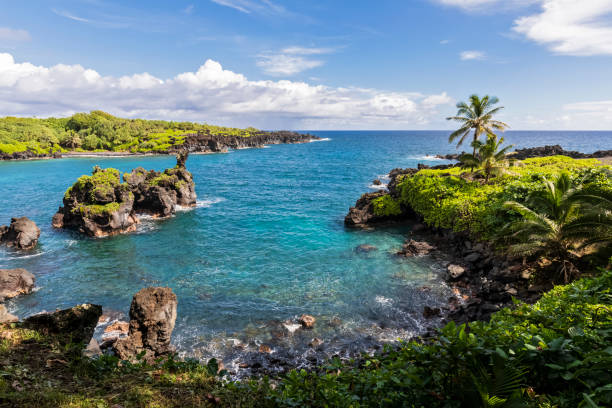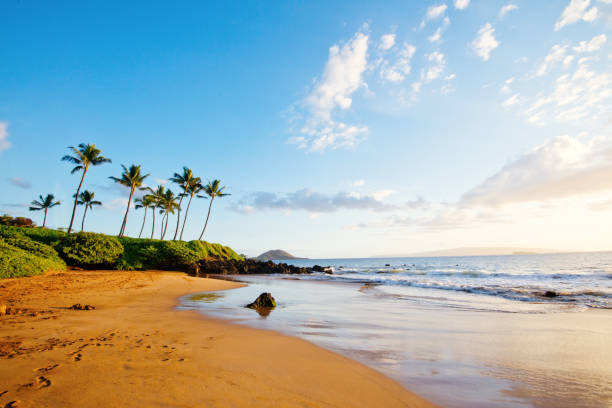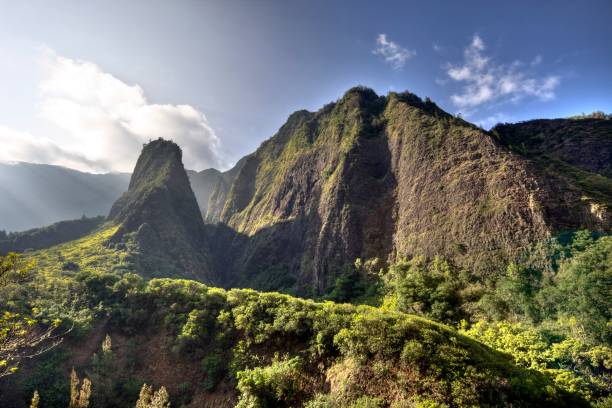
Maui can feel like a dreamscape of waterfalls, crescent beaches, and sunsets that melt into the Pacific. Yet the island is not only a vacation backdrop. It is home to a diverse, resilient population whose daily lives unfold far from the resort pool. Understanding Maui’s population and demographics helps visitors see the island as a living community, not just a destination. Maui County, which includes Maui, Molokai, Lanai, and Kaho‘olawe, has roughly 165,000 residents. Most live on Maui itself. Millions of visitors arrive each year, but the island’s small population still creates traffic, housing pressures, and a complex local culture. The people of Maui are a blend of Native Hawaiian ancestry, Asian immigrant groups, Portuguese, Puerto Rican, European, Latino, and mixed-race families. Each wave of history left a mark on the island’s food, language, music, and values.
Native Hawaiians are the original stewards of these islands, with a history stretching back centuries before European contact. Their culture remains central to Maui life through language, hula, voyaging, fishing practices, and aloha ‘āina, a deep love and care for the land. In the nineteenth and twentieth centuries, the plantation economy brought laborers from Japan, China, the Philippines, Portugal, Puerto Rico, Korea, and other places. They worked in sugarcane and pineapple fields, endured hard conditions, and built communities that still shape Maui today. Intermarriage became common, creating the rich mixed heritage often described as local culture. When you hear Hawaiian words in everyday conversation, taste plate lunch with kalua pork and macaroni salad, or see a family gathering at the beach, you are witnessing layers of history.
Population distribution tells another story. Central Maui, around Kahului and Wailuku, is the commercial and government hub. South Maui, from Kihei to Wailea and Makena, mixes local neighborhoods with resort areas. West Maui, including Lahaina, Kaanapali, and Kapalua, has a long history as a whaling and plantation town turned visitor destination. Upcountry Maui, in places like Makawao, Kula, Pukalani, and Haiku, feels rural and cool. East Maui, along the Hana Highway, is remote and deeply rooted. Island life changes dramatically from one region to the next.
Everyday life on Maui often revolves around ohana, or family, and kuleana, a sense of responsibility. People talk story, share food, and help neighbors. The pace can be slower than a mainland city, but that does not mean life is easy. The cost of living is among the highest in the United States. Housing is scarce and expensive. Many residents work more than one job, often in tourism, construction, health care, education, farming, fishing, or small business. These pressures are part of the demographic reality behind the island’s beautiful surface.
For travelers, this context matters. Maui’s beaches are public, but access paths may cross private land. Neighborhoods are not attractions. A roadside fruit stand, a family-run shave ice shop, or a Hawaiian-owned tour can keep money in the community. Learning a few words, removing your shoes before entering a home, and asking before taking photos of people are simple acts of respect. Supporting local businesses and attending an authentic hula performance can deepen your understanding. Avoid illegal vacation rentals, which worsen the housing crisis. Drive with aloha and never block a local driveway.
Maui has also faced hard times. The 2023 Lahaina wildfire devastated a historic town and displaced thousands. Recovery is ongoing, and many families are still rebuilding. Visitors should check current conditions, respect closed areas, and consider how their travel can support rather than strain the community. The island’s population includes Native Hawaiian families, longtime local families, recent transplants, immigrants, and transient residents. Each has a different relationship to tourism and to the land.
When you understand Maui’s population and demographics, your trip becomes richer. You notice the plantation history in a plate lunch, the Hawaiian values in a sunrise chant, the housing struggle behind a help-wanted sign. You realize that aloha is not just a greeting but a way of living with respect. The island invites you to slow down, listen, and give back. Travel with curiosity and humility, and you will meet Maui not as a postcard but as a home. That shift in perspective is the most valuable souvenir you can carry.