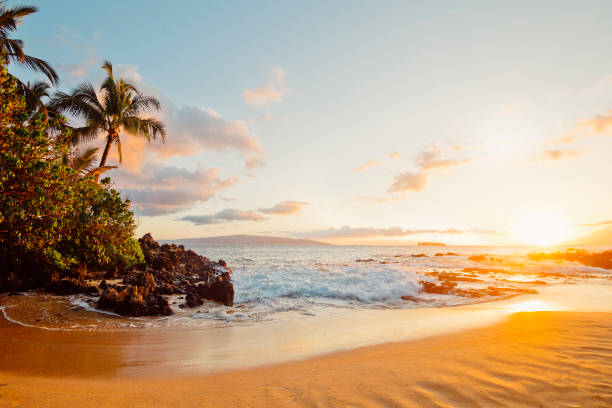
Maui’s surf is a patchwork of moods, and so is the gear that makes a session comfortable. One morning you might paddle out at Launiupoko in warm, glassy waves under a rising sun, wearing only boardshorts and a rash guard. The next, you could be watching the winter swell wrap into Ho‘okipa, where the wind has teeth and the water feels a few degrees cooler than the guidebook promised. Surf apparel on Maui is not about dressing for a fashion shoot, though the right boardshorts and wetsuit pieces do look good. It is about matching fabric, fit, and function to the break, the season, and the amount of time you plan to spend in the ocean.
Boardshorts are the foundation of almost every Maui surf kit. In summer, when water temperatures often sit in the high seventies to low eighties, most surfers live in them from dawn patrol until sunset. Look for quick-drying fabric with four-way stretch, a secure closure that will not loosen after a wipeout, and a length that stays out of the way when you are popping up. Too long and they drag in the water; too short and they can chafe during long paddles. Brands like Patagonia, Billabong, Quiksilver, Roxy, Hurley, Volcom, and Vissla all make boardshorts that hold up to Maui’s salt, sun, and reef. Local labels such as HIC and Local Motion carry designs that feel rooted in Hawaiian surf culture, and buying them from a Maui surf shop can be part of the experience.
Wetsuits may seem unnecessary on a tropical island, but they have a place in Maui waters. Winter can drop the ocean into the low seventies, and trade winds can make a long session at Kanaha or Ho‘okipa feel chilly once you are wet and moving. A full 3/2mm suit is usually overkill for most days, but a springsuit, short john, long-sleeve spring, or a 1mm to 2mm neoprene top can make a huge difference. Brands like O’Neill, Rip Curl, Xcel, Patagonia, and Billabong are common in island shops, and each has its own approach to stretch, seam placement, and durability. Fit matters more than thickness. A wetsuit that gaps at the neck or binds at the shoulders will wear you out faster than the cold ever will.
Where you surf should shape what you wear. The north shore, with its winter waves and steady wind, often calls for a little more coverage, especially if you are surfing early or staying out for hours. The south shore, from Kihei to Makena, tends to be warmer and more forgiving, making boardshorts and a rash guard the obvious choice. The west side around Lahaina and Ka‘anapali can feel like a bathtub in summer, but winter mornings still have a bite. If you are traveling light, pack two pairs of boardshorts, one reliable rash guard, one neoprene top, and maybe a springsuit. You can always rent a fuller wetsuit if a cold snap or a long paddle changes your plans.
Brands are part of the conversation, but they should not be the whole conversation. A famous logo does not guarantee a good fit, and a lesser-known label can outperform an expensive one if the cut suits your body and the conditions. On Maui, surf shops such as Hi-Tech Surf Sports, Local Motion, HIC, Maui Surfboards, and Second Wind carry a mix of global and island brands. Ask the staff where they surf and what they wear. Their answers will tell you more than any online review. You will hear about boardshorts that survive countless reef scrapes, wetsuit tops that do not ride up, and rash guards that protect against sun without feeling heavy.
Surf culture on Maui also asks for respect. The right apparel helps you stay comfortable, but humility helps you belong. Learn the lineup, give waves, watch for locals, and never assume a famous break is yours simply because you bought the right boardshorts. The ocean is shared, and the people who surf it daily notice more than logos. When your gear works, you forget about it. You focus on the glide, the trade winds, the sea turtles cruising beneath you, and the sunset turning the West Maui Mountains pink. That is the real reason to choose boardshorts and wetsuits with care. Maui gives you enough magic. Your job is simply to be ready for it.