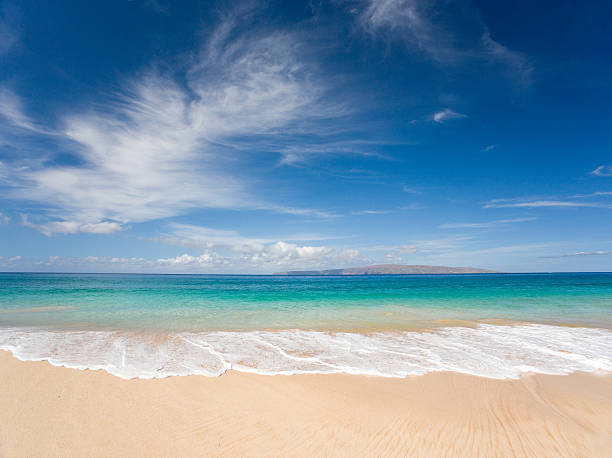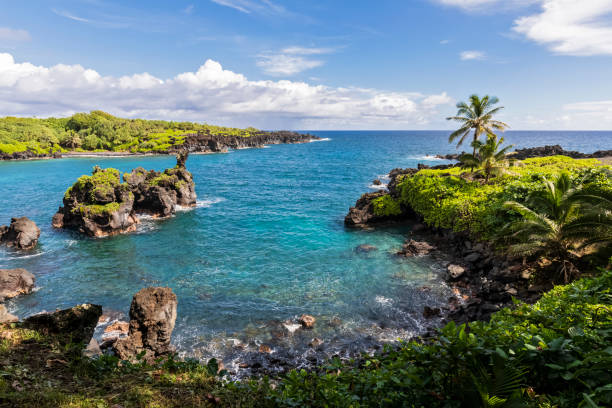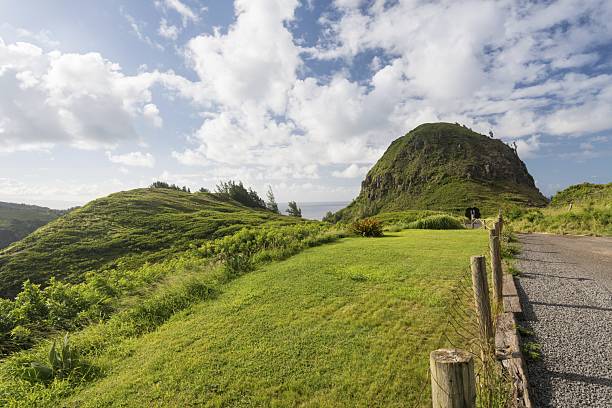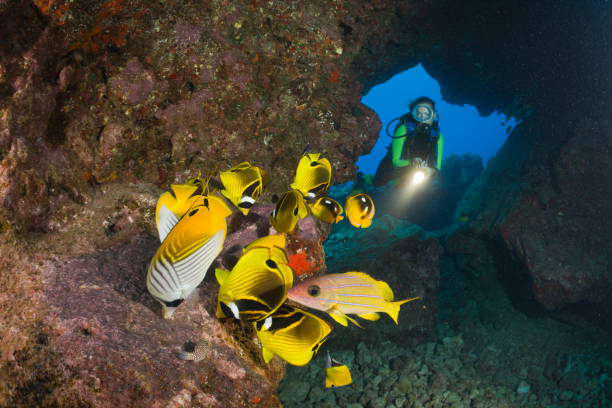
Maui’s underwater landscape is as varied as its coastline. Volcanic history continues beneath the waves as submerged craters, lava tubes, rocky ledges, and coral gardens. Warm water, strong visibility, and many dive sites make Maui appealing to first-timers and experienced divers. The draw is not just checking off a bucket-list dive. It is drifting through schools of tropical fish, watching a green sea turtle glide past, and seeing how the island’s marine ecosystems connect.
The most famous site is Molokini Crater, a partially submerged volcanic cone off the south coast. Its crescent shape shelters the inner reef, creating calm, clear conditions for beginner dives, refreshers, and photography. The shallow bowl holds coral, rock formations, butterflyfish, damselfish, and surgeonfish. Turtles are common, and lucky divers may spot white-tip reef sharks resting on sand or an eel in a crevice. Because Molokini is a conservation district, fishing is prohibited and fish life is abundant. Morning boat trips usually offer smoother seas and better light; afternoon winds can pick up.
Nearby islands offer more adventurous diving. Lanai is known for Cathedrals, where lava tubes and caverns create dramatic swim-throughs lit by shafts of sunlight. These dives often suit experienced divers because of depth, currents, and buoyancy demands. Molokai and the back side of Lanai can bring eagle rays, reef sharks, and seasonal hammerheads. Channel crossings can be bumpy, so seasickness prevention matters. These trips also reveal Maui from the water, with views of Haleakala and the West Maui Mountains.
Shore diving is remarkably accessible. Makena Landing, Ulua Beach, Kapalua Bay, and Black Rock offer easy entries and rich marine life. At Makena Landing, divers find turtles, frogfish, octopus, and goatfish in shallow water. Ulua Beach’s gentle slope and varied coral make it a favorite for night dives. Kapalua Bay is often calm, while Black Rock mixes sand, coral heads, and occasional drift. Honolua Bay is spectacular when conditions allow, but seasonal and dangerous during winter swells. Always check with a local dive shop because currents and surge change quickly.
For new divers, Maui is an excellent place to try a discovery dive or earn certification. Operators in Kihei, Wailea, Lahaina, and Maalaea run introductory programs, open-water courses, and guided tours. Boat dives usually include tanks, weights, and a divemaster who knows the site. Rental gear is widely available, though your own mask, fins, and computer add comfort. Certified but rusty? A refresher is smart. Nitrox is popular for repeat diving. Safety first: dive within your training, ascend slowly, hydrate, and avoid flying for eighteen to twenty-four hours after your last dive. Respect wildlife, never touch coral, and leave shells and rocks where they belong.
Marine life is a major draw. Hawaiian green sea turtles rest under ledges or swim over the reef. Endangered Hawaiian monk seals sometimes appear but should never be approached. Reef fish range from tiny nudibranchs to large parrotfish. Spinner dolphins may pass by on boat rides, and winter humpbacks fill the channels with songs and breaches. Night dives reveal sleeping turtles, hunting octopus, and crustaceans emerging from the reef. Every dive reminds you that Maui’s ocean is a living ecosystem, not a backdrop.
Conservation matters. Coral reefs face warming oceans, runoff, and human contact. Divers can help by using reef-safe sunscreen, maintaining good buoyancy, and never standing on or touching coral. Choosing responsible local operators supports the community and protects the resource. Conditions shift with the seasons. Summer often brings calmer water on south and west shores, while winter swells affect north and west-facing sites. Trade winds are common, so morning dives are usually best. Flexible plans help you enjoy the right dive at the right time.
Scuba diving around Maui is more than a water sport. It is a way to meet the island from a new angle, float weightless above volcanic ridges, and witness life in a coral reef. Whether descending into Molokini’s crater, swimming through a Lanai lava tube, or exploring a quiet shoreline reef at dusk, Maui’s underwater world rewards curiosity and care. With the right guide, conditions, and respect for the ocean, your dives can become the most memorable part of your trip.