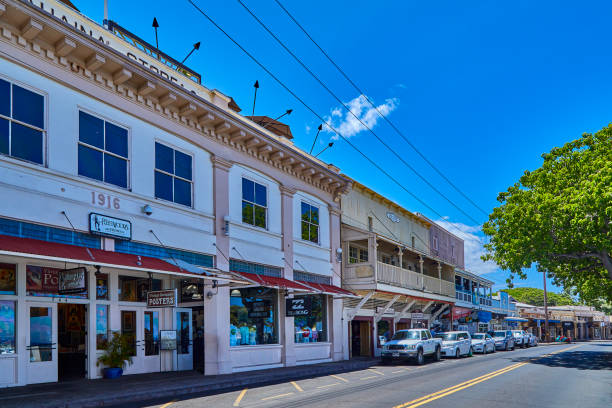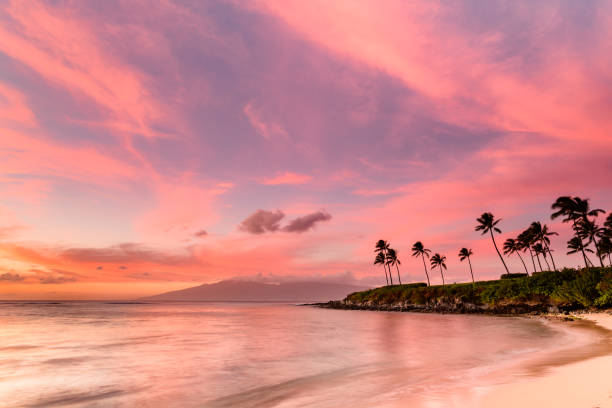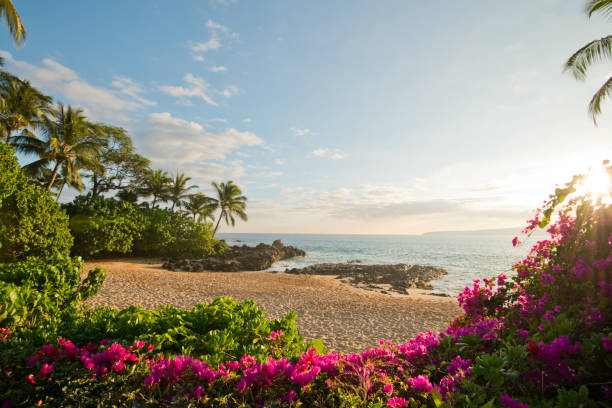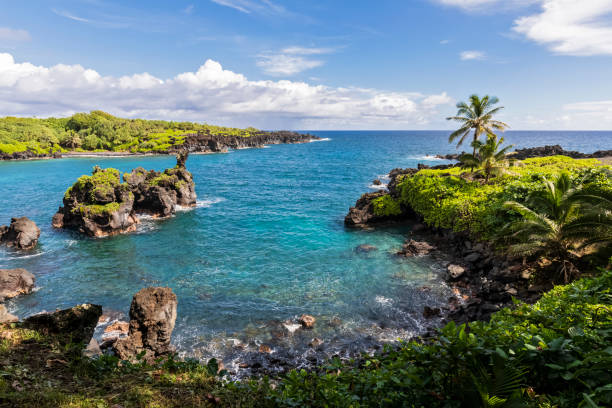
For many travelers, Maui is a collection of postcard moments: sunrise atop Haleakala, the winding road to Hana, sea turtles in clear water. But there is another layer to the island that reveals itself when you travel with curiosity. Makahiki, the traditional Hawaiian season of harvest, peace, and renewal, is one of the most meaningful times to experience Maui’s living culture. It is not a single festival with one date and one location. Instead, Makahiki generally runs from late October or November through January or February, depending on the lunar calendar and the rising of the Pleiades, known in Hawaiian as Makalii. For visitors who want to plan around culture and history, Makahiki offers a rare window into traditions that have shaped Hawaii for centuries.
In ancient Hawaii, the year was divided into two broad periods. Kau was the season of war, ruled by the god Ku. Makahiki was the season of peace, ruled by Lono, the god associated with rain, fertility, harvest, and prosperity. During Makahiki, warfare and certain heavy labors were set aside. Communities gathered offerings and paid tribute to chiefs. People traveled between districts, celebrating with feasting, sports, hula, chanting, and games of skill and strength. The arrival of Makalii in the evening sky signaled the season’s start. On Maui, these traditions played out across fertile valleys, coastal fishponds, taro patches, and upland forests. The island’s ahupuaa, or traditional land divisions, connected mountain resources to the sea, and Makahiki was a time to honor those connections.
Today, Makahiki is not a relic behind museum glass. It is a living season observed in different ways across Maui. Schools, community organizations, cultural practitioners, and families host events that blend ancient protocol with contemporary celebration. You might encounter Hawaiian games such as hukihuki, a tug-of-war, or uma, a kneeling hand-wrestling game. You might hear oli, traditional chant, or watch hula that tells stories of place and ancestry. Food is often part of the gathering, with dishes like kalua pig, poi, sweet potato, and kulolo shared among participants. Some events are large and public; others are intimate and rooted in family or school communities. Dates and locations change yearly, so travelers should look for cultural calendars, community bulletins, and local announcements closer to their trip. The key is to approach these events as a guest, not a spectator.
Respectful participation matters. If you attend a public Makahiki celebration, dress comfortably and modestly, bring water, and be prepared for weather that can shift from warm sun to rain. Ask before taking photos, especially of children, elders, or ceremonial moments. Listen more than you speak. Learn a few Hawaiian words and use them with care. Understand that some practices are sacred and not intended for entertainment. When you support local vendors, teachers, and cultural organizations, your visit contributes to the community rather than extracting from it. Travelers who show patience and humility are welcomed more warmly than those who treat the island as a backdrop.
Planning a Makahiki-inspired trip can be simple. Because the season overlaps with humpback whale migration, winter surf, and cooler upland evenings, you can pair cultural experiences with outdoor adventure. Keep your schedule flexible, since community events may be announced only a few weeks in advance. Visit places that deepen your understanding, such as Iao Valley, the Bailey House Museum, or Hana Cultural Center, and take time to read the stories shared there. If you are invited to a gathering, bring a small gift or contribution if appropriate, follow the lead of your hosts, and do not rush away. Makahiki is about connection, gratitude, and renewal. The more slowly you move, the more you will notice.
For frequent travelers, Makahiki can be a reason to return to Maui in a different season. For first-time dreamers, it can turn a beach vacation into a meaningful encounter with Hawaiian history and values. Aloha is not a slogan; it is a way of living, and Makahiki is one of its clearest expressions. Come with an open heart, a listening ear, and a willingness to learn. Maui will offer beauty, yes, but also a chance to understand the island more deeply. That understanding may be the greatest souvenir you carry home.