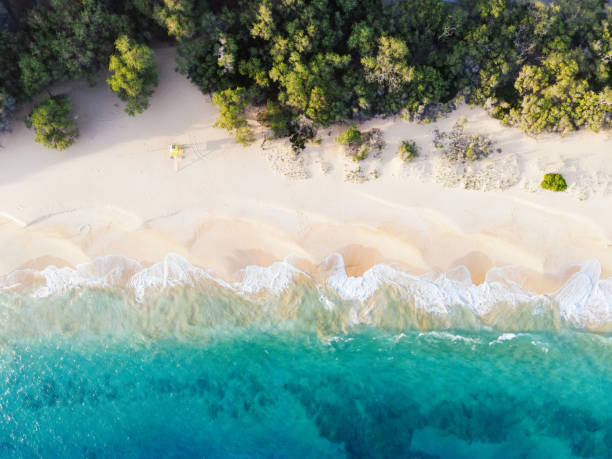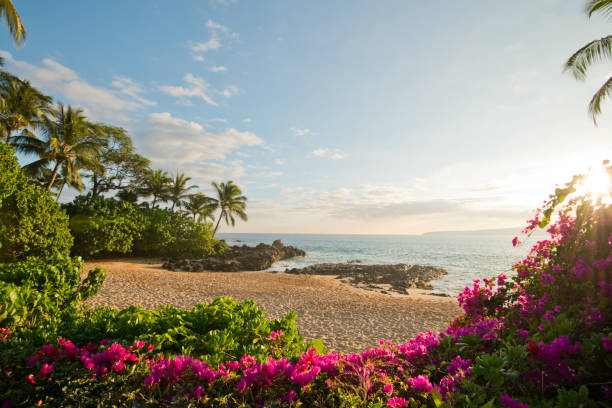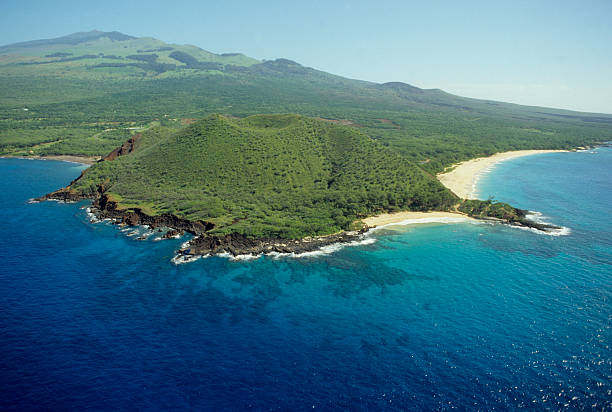
There is a moment on Maui when the ocean stops being scenery and becomes supper. It happens at a harbor just after sunrise, when fishing boats slide back into port and coolers are unloaded with ahi, mahi-mahi, ono, and opakapaka. It happens again at a roadside fish taco stand, where the smell of grilling fish and lime drifts into the trade winds. And it happens at a sushi bar, when a chef places a glistening slice of just-cut fish before you and says, simply, “Try this.“ On Maui, fresh seafood is not a trend. It is a way of life.
Maui’s seafood scene begins with the catch. Because the island sits in the middle of the Pacific, the variety is remarkable. Ahi tuna is the star, prized for its ruby color and clean, rich flavor. Mahi-mahi brings a mild sweetness that works beautifully on a grill. Ono, meaning “delicious” in Hawaiian, has a firm texture and a name that sets high expectations. Then there are the deep-water treasures: opakapaka, onaga, and monchong, often served in elegant restaurants but just as good when simply seared with butter and sea salt. Menus change not because a chef wants to be fashionable, but because the ocean decides what is available.
Fish tacos may be the most approachable way to taste that freshness. On Maui, they are rarely fussy. A soft corn or flour tortilla holds a piece of grilled, blackened, or lightly fried fish. Then comes crunchy cabbage, a squeeze of lime, maybe a mango salsa, a drizzle of creamy chili sauce, or a scattering of cilantro. The best versions let the fish speak first. You can find them at food trucks near Kihei, in casual cafés in Paia, and at beachside bars in Lahaina. They pair well with a cold local beer or a sunset cocktail. Eating a fish taco with sandy feet and salt in your hair is one of Maui’s simple, perfect pleasures.
Sushi takes that same fish in a more precise direction. Maui’s sushi chefs work with what the islands provide, often blending Japanese technique with Hawaiian ingredients. Ahi nigiri might be brushed with a touch of soy and topped with a sliver of jalapeño. A roll could include macadamia nut, avocado, mango, or a drizzle of lilikoi. Some chefs offer omakase, a trust-the-chef experience where course after course reveals the day’s best catch. Others keep it traditional: pristine sashimi, warm rice, and a quiet room where the only soundtrack is conversation and the soft clink of sake cups. Across the island, sushi bars range from laid-back to luxurious, but all respect the fish.
Between tacos and sushi lies poke, the island’s beloved raw fish salad. Cubes of ahi tossed with soy sauce, sesame oil, onion, and seaweed make a perfect snack or light lunch. Modern versions add avocado, spicy mayo, crispy onions, or tropical fruit. Poke is a reminder that fresh seafood on Maui does not need to be complicated. It only needs to be handled well.
For travelers, the best approach is to follow the fish, not just the guidebook. Ask your server what came in that morning. Try the catch of the day even if you have never heard of it. Let the chef choose your sashimi. Sit at a counter and watch the knife work. And if you are planning a sunset dinner, make a reservation early, especially in winter when visitors and locals alike crave a table by the water.
Sustainability matters, too. Maui’s reefs and fisheries are precious. Choosing local, asking about sourcing, and respecting fishing regulations help keep these traditions alive. A great meal is even better when it supports the people and waters that made it possible.
Night falls, torches flicker, and the trade winds carry the scent of salt and grilled fish. What lingers is the taste: a squeeze of lime, a silky piece of ahi, a fish taco eaten while the Pacific stretches out before you. On Maui, the sea is never far from your plate. Let it lead you to some of the finest eating you will ever know.