Maalaea and the Central Isthmus are easy to treat as a pass-through. You drive from Kahului airport toward Kihei or Lahaina, and the road opens into a low, wind-shaped plain between the West Maui Mountains and Haleakala. Yet this narrow neck of land is one of Maui’s most quietly rewarding places to explore. It is where the island’s roads, reefs, farms, and history converge, and where travelers feel both Maui’s working rhythms and the pull of the sea.
Maalaea itself is a small harbor village with an outsized role. Its protected harbor is the launching point for snorkel sails to Molokini, dolphin-watching cruises, and, in winter, whale-watching trips into the Auau Channel. The bay is better known for sailing and kiteboarding than lazy swimming, but the harbor has a lively, salt-sprayed energy. The Maui Ocean Center offers a deep look at Hawaii’s marine life, from reef sharks to coral gardens, and is especially good on a choppy trade-wind day. Around the harbor, casual restaurants serve fresh fish, tacos, and cold drinks with views of the West Maui Mountains. At sunset, the sky over Lanai and Kahoolawe can turn copper and rose, making even a quick stop feel like a destination.
The Central Isthmus is the connective tissue of Maui. This flat lowland separates the island’s two volcanic masses and holds Kahului, Wailuku, Puunene, the airport, and miles of former sugarcane fields now used for diversified agriculture and open space. Driving through, you see the practical side of Maui: schools, businesses, homes, and farms. But you also see why the area matters. The isthmus is where trade winds and water meet, where ancient trails once crossed, and where modern highways now carry visitors between coasts. Wailuku, just up the slope, has a historic main street, old plantation-era buildings, and a gateway to Iao Valley, where the Iao Needle rises green and misty.
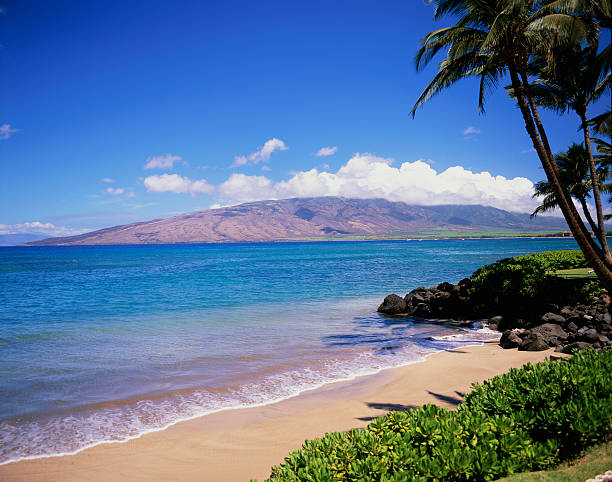
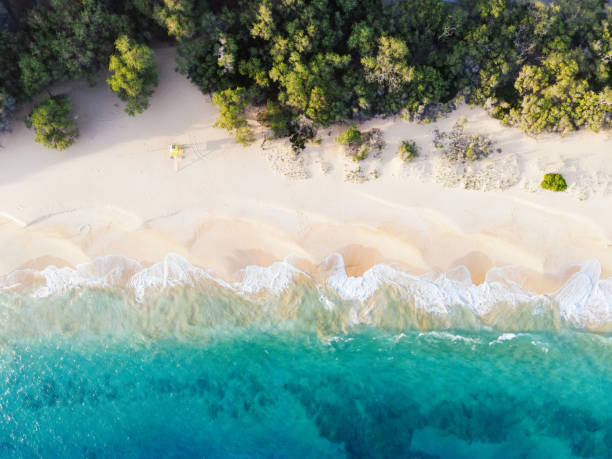
Nature lovers should not overlook the wetlands and beaches of the isthmus. Kealia Pond National Wildlife Refuge, between Maalaea and Kihei, protects one of Hawaii’s few remaining natural wetlands. A boardwalk and viewing areas offer chances to see endangered Hawaiian stilts, coots, and migratory birds. Nearby, Sugar Beach stretches for miles along Maalaea Bay, offering a long, quiet walk with the West Maui Mountains looming above. The beach is not always calm, but it is spacious and beautiful at sunrise. On the Kahului side, Kanaha Pond and the coastal paths around Kahului Harbor provide different birds and views. These places remind travelers that Maui’s magic lies also in ordinary, vital landscapes.
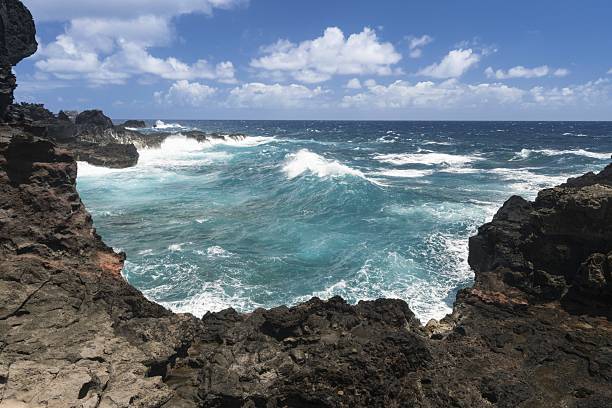
Scenic drives from Maalaea show the isthmus at its best. Heading north on Honoapiilani Highway toward Lahaina, the road hugs the coast and passes pullouts with views of Molokini, Kahoolawe, and Lanai. This is a drive to take slowly, especially in whale season, when humpbacks breach offshore. Heading south and east, North Kihei Road runs along Maalaea Bay and past Kealia Pond, a quieter alternative popular with cyclists. Crossing the isthmus on Kuihelani Highway, you get broad views of both mountain ranges and a sense of Maui’s scale. Each route is short, but each reveals a different face of the island.
Maalaea also makes a smart base for travelers who want to see all of Maui. It sits within easy reach of Kihei, Wailea, Lahaina, Wailuku, and Kahului Airport. Condos and vacation rentals cluster near the harbor, and the trade winds keep the area comfortable. Mornings are good for beach walks or snorkel trips; afternoons are for the aquarium, a drive, or a lazy lunch; evenings bring sunsets and stars. Book popular ocean tours early, use reef-safe sunscreen, and bring a light jacket for windy evenings. Respect wildlife by keeping distance from turtles, seals, and whales.
The Central Isthmus may not have the drama of the Road to Hana or the polish of a resort coast, but it is essential to understanding Maui. It is the island’s crossroads, where harbor lights, wetland birds, farm fields, and mountain views overlap. Stop at a lookout, eat a plate lunch, watch the wind move across the water, and you will see why this overlooked stretch deserves more than a quick drive-through.