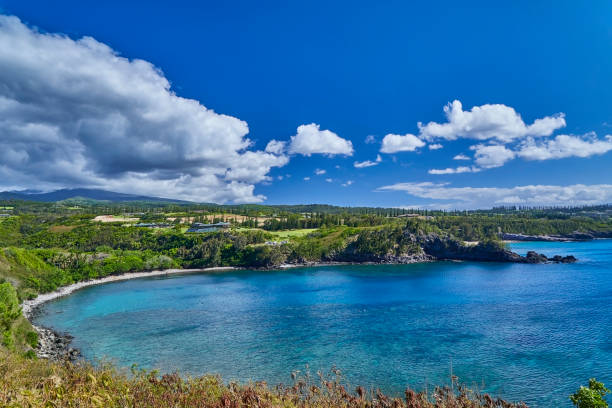
Maui’s underwater world begins where the sand ends, in a quiet realm of coral, fish, and light. Coral reefs are living cities built by tiny animals called polyps. They provide shelter for fish, turtles, and invertebrates, and they protect shorelines from waves. When you float over a coral head at Molokini or Honolua Bay, you are visiting a fragile neighborhood. The same excitement that makes you want to reach out, take a photo, or stand up for a better view can damage what you came to see. Responsible ocean travel starts with a few simple choices.
First, choose reef-safe sun protection. Chemicals in conventional sunscreen, especially oxybenzone and octinoxate, can harm coral larvae, contribute to bleaching, and linger in water. Many visitors now wear long-sleeve rash guards, swim leggings, broad hats, and sunglasses instead of relying on lotion. If you use sunscreen, select mineral-based products with zinc oxide or titanium dioxide. Apply before you enter the water, wait a few minutes, and reapply less often. This protects your skin and the reef.
Next, master the art of floating. Snorkelers should use gentle flutter kicks and keep legs parallel to the surface. Fins should never touch coral. It can take centuries for coral to recover from a broken branch. Do not stand on the reef, even when it looks shallow. Use sandy channels or designated rest areas instead. Adjust your mask and snorkel while floating without kicking. If currents are strong, use a float or join a guided tour. In Maui, conditions vary. Ka‘anapali can be calm, while Hā‘ena and Ho‘okipa have powerful shorebreak. Know your limits. Never snorkel alone. Check with lifeguards, surf reports, and tide charts.
Do not feed fish or chase marine life. Feeding changes behavior, makes animals aggressive, and harms their health. Chasing turtles, monk seals, dolphins, or reef fish causes stress. Federal and state laws protect Hawaiian monk seals, sea turtles, and other species. Keep a respectful distance—at least ten feet from turtles and more from seals. Let them approach you. If a turtle swims near, stay still and enjoy. Do not block their path to the surface or shore.
When kayaking, paddleboarding, or boating, avoid anchoring on coral. Use designated moorings at Molokini, Honolua, and other popular spots. Anchors and chains can crush coral. If you rent a kayak, ask for a map of sensitive areas. Stay in channels and avoid shallow reef flats. In winter, humpback whales use Maui waters as a nursery. Follow approach rules: no closer than one hundred yards, and never pursue. Let whales choose the encounter.
On shore, pack out everything. Plastic bags, bottles, fishing line, and food wrappers can entangle wildlife or smother coral. Cigarette butts are toxic. Bring a reusable water bottle and a mesh bag for trash. If you see debris, pick it up safely. Join a beach cleanup. Organizations across Maui host reef cleanups and restoration projects. You can also support coral nurseries, native plant restoration, and marine education. Volunteering for a few hours turns a vacation into a contribution.
Respect Hawaiian culture and local rules. The ocean is not just a playground; it is a sacred place tied to Hawaiian genealogy, navigation, and survival. Place names carry stories. Heiau, fishponds, and shoreline trails are cultural sites. Stay on trails, do not remove rocks or coral, and follow kapu signs. When in doubt, ask a local or a cultural practitioner. Supporting local guides and ocean-focused nonprofits keeps money in the community and funds conservation.
Choose tour operators carefully. A responsible operator limits group size, briefs guests on reef etiquette, uses moorings, provides reef-safe sunscreen, and employs local naturalists. Ask questions before booking. Do they feed fish? Do they allow standing on reef? Do they educate about coral? Your dollars vote for the kind of ocean travel you want. A small-group snorkel tour may cost a little more, but it offers a better experience and a lighter footprint.
Finally, remember that conservation is a daily practice, not a single act. Every paddle stroke, sunscreen choice, and piece of trash carried out matters. Maui’s reefs are resilient but fragile. They have survived storms and bleaching, but they need travelers who see themselves as guests. Float gently. Watch quietly. Learn deeply. Return home with stories and a commitment to protect the ocean wherever you live. The reef will thank you, and future visitors will too.