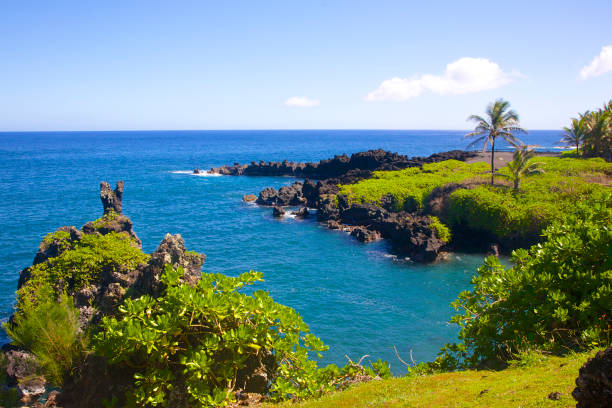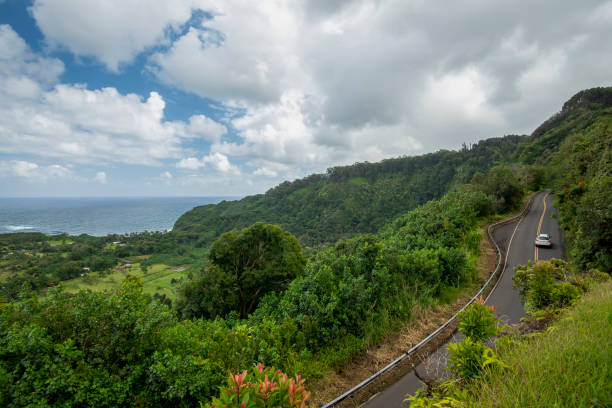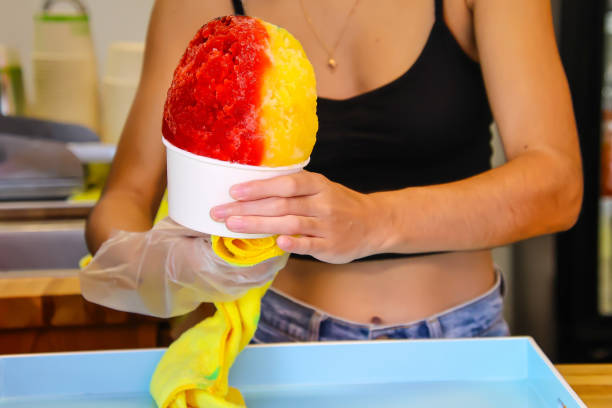
Aloha is often the first word a visitor learns in Hawaiʻi, and it is easy to treat it as a simple greeting. On Maui, however, aloha carries a deeper meaning. It is love, compassion, mutual respect, and the breath of life shared between people. To travel here with aloha means more than being polite. It means slowing down, listening carefully, and recognizing that you are a guest in a place with a long, living culture. The island’s beauty is not separate from that culture; it is part of it.
Native Hawaiian traditions are rooted in relationship. The land, or ʻāina, is not a backdrop for vacation photos but an ancestor, a provider, and a responsibility. The sea, the wind, the rain, and the mountain are all part of a vast family. This understanding is often called aloha ʻāina, love for the land. It is why many residents care deeply about protecting reefs, watersheds, and sacred sites. When you visit Maui, you enter that relationship. You can honor it by staying on trails, packing out trash, using reef-safe sunscreen, and never taking rocks, sand, or coral home. These small choices are gestures of respect.
History adds another layer. Long before tourism, Polynesian voyagers found these islands using stars, currents, and incredible navigational skill. They developed the ahupuaʻa system, dividing land into wedge-shaped sections that ran from mountain to sea, so everyone had access to resources. Taro terraces, fishponds, and dryland agriculture fed communities. Later, Maui was home to royal courts and pivotal battles, including the famous conflict in ʻĪao Valley. In the nineteenth century, Lahaina served as a capital of the Hawaiian Kingdom and a bustling whaling port. That history is not frozen in a museum. It lives in place names, family stories, and the ongoing cultural renaissance that began in the 1970s and continues today.
For a traveler, the most meaningful experiences often come from learning a few protocols. A heiau is a sacred temple, not a playground. Petroglyphs are precious records, not photo props. Kapu means sacred, forbidden, or protected, and it still matters. If a trail crosses private land, ask permission. If a sign asks you to keep out, respect it. If you are unsure whether you can enter a place, watch, ask, or simply admire from a distance. Humility goes a long way. So does learning a few words of ʻōlelo Hawaiʻi, the Hawaiian language. A warm “aloha kakahiaka” in the morning or a sincere “mahalo” can open doors. Place names become richer when you know their meanings, and pronouncing them with care shows that you see the island as more than a destination.
Hula is another tradition that deserves respect. It is not merely hotel entertainment. Hula is storytelling, genealogy, history, and prayer expressed through movement. A hula dancer may be preserving a family’s lineage or honoring a deity, an ancestor, or a place. When you attend a hula performance, especially an authentic one, remember that you are witnessing a cultural practice. Hold your applause until appropriate, keep conversation low, and avoid treating dancers as scenery. If you are invited to learn, approach the opportunity with humility. The same is true of Hawaiian music, lei making, canoe paddling, and food traditions. Kalua pig, poi, laulau, and haupia are not just dishes; they carry stories of land, labor, and celebration. Supporting local-owned restaurants, farmers markets, and cultural practitioners helps keep those traditions alive.
The ocean also has its own etiquette. Hawaiian culture views the sea as a source of life and a realm of powerful beings. Give turtles and monk seals plenty of space. Do not chase dolphins or touch coral. If you snorkel or dive, float rather than stand on reefs. If you surf, learn the local rules and wait your turn. These acts are not restrictions on fun; they are ways to keep the experience safe and sacred for everyone.
Perhaps the most important lesson is that aloha is reciprocal. You will receive hospitality, beauty, and moments of awe. In return, offer patience, curiosity, and generosity. Shop at local businesses. Talk story with residents. Volunteer for a beach cleanup or restoration project. Learn before you arrive, and keep learning while you are here. Maui’s regions, beaches, drives, and hikes are stunning, but they are inseparable from the culture that cares for them. When you travel with respect, you do not just see Maui. You begin to understand it. And that understanding may be the most lasting souvenir of all.