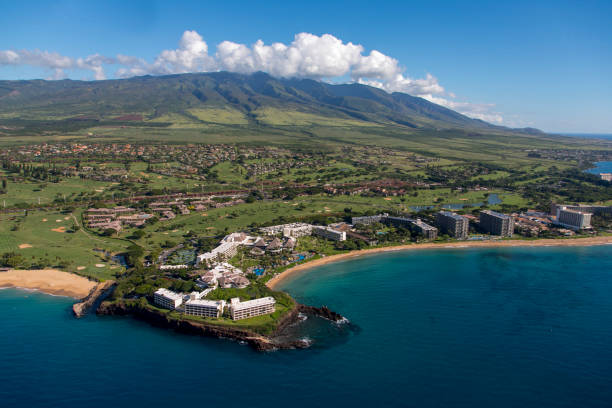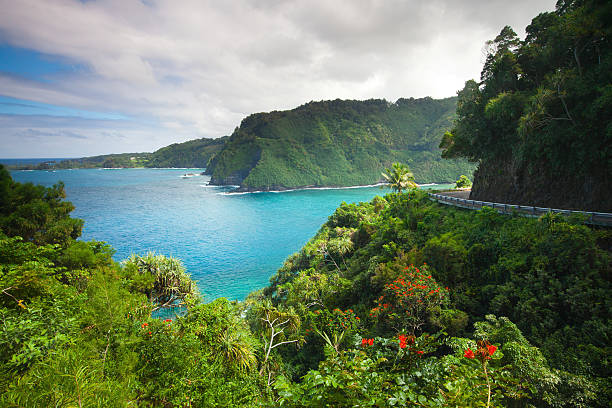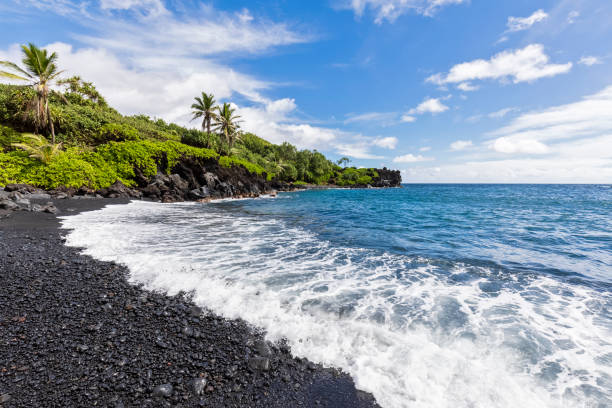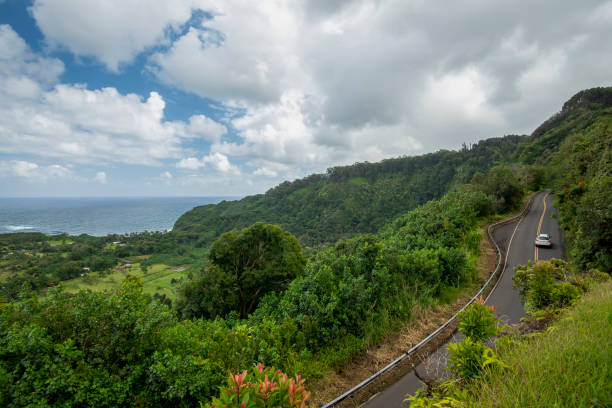
Maui is famous for its beaches, Road to Hana, and sunsets, but the island’s deeper beauty lives in its museums, heritage sites, and cultural centers. These places preserve the voices of Native Hawaiians, missionaries, plantation workers, whalers, and artists. If you are a frequent visitor or someone who has long dreamed of stepping onto Maui’s shores, an afternoon of cultural exploration will change how you see the island. Every valley, stone wall, and old storefront carries a story.
In Wailuku, the Bailey House Museum, also known as Hale Hōʻikeʻike, offers one of the best introductions to Maui’s layered past. Housed in a restored 1833 missionary home on the grounds of the Wailuku Female Seminary, it sits beneath the dramatic West Maui Mountains. Inside, you can see Hawaiian artifacts, koa wood furniture, quilts, paintings, and objects from the whaling and missionary eras. The museum also honors Duke Kahanamoku and Hawaii’s surfing heritage. Because it is small, it feels personal rather than overwhelming. A docent may share stories that make the past feel immediate, from royal genealogy to daily life in old Wailuku.
A short drive away, the Alexander & Baldwin Sugar Museum in Puunene explains how sugar transformed Maui. The island’s plantation era brought laborers from China, Japan, Portugal, Puerto Rico, Korea, and the Philippines, creating the multicultural society that gives Maui its remarkable food, music, and festivals. Old machinery, photographs, and household items show the hard work and community life that grew around the mills. Visiting here helps you appreciate why plate lunch, malasadas, and local slang are not simply quirks but living history.
Lahaina is another essential stop. Once the royal capital of the Hawaiian Kingdom, it later became a whaling port and missionary town. The Lahaina Historic District includes the Baldwin Home Museum, the Wo Hing Museum, Hale Paahao, and the Old Lahaina Courthouse. At the Baldwin Home, you learn about missionary family life. At Wo Hing, you step into a Chinese society temple and cookhouse that served immigrants far from home. Together these buildings tell a sweeping story of power, faith, trade, and immigration. Walking these streets slowly, with respect and curiosity, is one of the island’s most rewarding cultural experiences.
For a more ancient and spiritual connection, travel to Hana and visit Kahanu Garden and Piʻilanihale Heiau. The heiau is a massive lava-rock temple and one of the largest in Polynesia. Standing before it, you feel the weight of centuries. The garden surrounding it preserves canoe plants that Polynesian voyagers brought to Hawaii, including taro, breadfruit, bananas, and sugarcane. This is not a theme park; it is a sacred and living landscape. Speak softly, stay on trails, and let the quiet teach you.
In Central Maui, ʻĪao Valley and Kepaniwai Heritage Gardens add another dimension. ʻĪao Valley was the site of the 1790 Battle of Kepaniwai, where Kamehameha I fought to unite the islands. The ʻĪao Needle rises through mist and green cliffs. Nearby, Kepaniwai Park honors Maui’s ethnic groups with pavilions and gardens representing Hawaiian, Portuguese, Chinese, Japanese, Filipino, and Korean cultures. It is a peaceful place to reflect on how different peoples became one island community.
Contemporary culture thrives at the Maui Arts & Cultural Center in Kahului and Hui Noʻeau Visual Arts Center in Makawao. The MACC hosts hula, slack-key guitar, theater, dance, and visual art. Hui Noʻeau, set on a historic Makawao estate, offers exhibitions, classes, and a sense of creative community. These venues prove that Hawaiian culture is not frozen in the past; it is being made right now by artists, dancers, and musicians.
To make the most of these places, plan around opening hours and special events. Go with an open mind, ask questions, and attend a festival if one is available. A quiet morning in Wailuku or a rainy Upcountry day is perfect for a museum visit. Pair a cultural stop with a beach afternoon or a local meal, and you will experience Maui in balance.
Maui’s museums, heritage sites, and cultural centers are more than rainy-day backups. They are doorways into the island’s soul. They help you understand the aloha you feel here and turn a beautiful vacation into a meaningful connection. Whether it is your first trip or your twentieth, make room for these stories.