Maui has a rhythm visitors feel the moment they arrive. It is in the trade winds sweeping across the valleys, the way local families gather for plate lunches and talk story, and the sound of slack key guitar drifting from a beach park at sunset. That rhythm becomes especially clear during the island’s festivals, events, and holidays. These celebrations offer more than something to do. They are a doorway into Hawaiian culture, local pride, and the warm spirit of aloha. Planning a visit around one can turn a beautiful vacation into an unforgettable cultural experience.
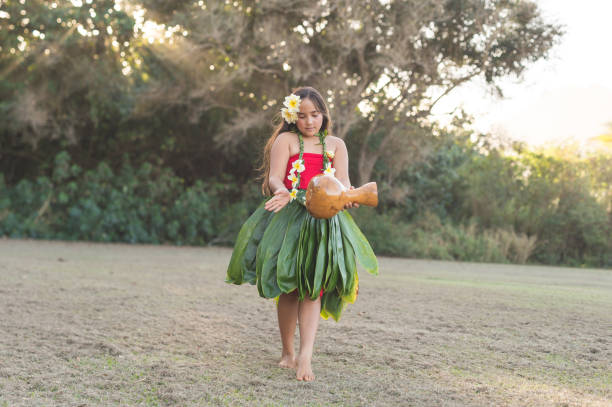
One of the most meaningful seasons to understand is Makahiki, the traditional Hawaiian period beginning in late autumn and lasting roughly four months. Historically, it was a time of peace, harvest, games, and renewal, dedicated to Lono, the god associated with fertility and agriculture. Today, Makahiki traditions are revived through school events, cultural demonstrations, and community gatherings across Maui. Visitors may encounter Hawaiian games, food preparation, hula, and storytelling. It is a reminder that the islands have a deep history predating tourism, and honoring that history makes any trip richer.
As winter arrives, so do humpback whales, and with them the Maui Whale Festival. This celebration usually runs January through March, when thousands of whales fill the waters around Maui. The festival includes educational talks, film screenings, whale-watching excursions, and family-friendly ocean events. Even without an official program, standing on a lookout in Kihei or driving the coast can become a wildlife celebration. Winter is also high season, so book flights, rental cars, and accommodations well in advance.
Spring brings a different kind of abundance. The East Maui Taro Festival, often held in Hana, honors the staple crop that has sustained Hawaiians for centuries. Visitors can watch poi pounding, taste taro dishes, listen to Hawaiian music, and learn about lo’i, the irrigated terraces that are both agricultural systems and cultural treasures. Around the same time, Lei Day on May first celebrates lei making, with events highlighting flowers, foliage, and local artisans. King Kamehameha Day on June eleventh honors the chief who unified the Hawaiian Islands, with lei draping ceremonies, parades, and community events.
Summer on Maui is full of music, food, and dance. The Kapalua Wine and Food Festival draws food lovers for tastings and chef events, while the Maui Ukulele Festival and slack key guitar celebrations showcase the island’s musical heritage. Obon season, usually from June through August, is one of the most welcoming cultural experiences for visitors. Buddhist temples across Maui host bon dances, where families and guests gather to dance, eat local favorites, and honor ancestors. You need only a respectful attitude and willingness to learn the steps.
Autumn brings the Maui County Fair, a lively mix of carnival rides, local food, livestock exhibits, and entertainment. It is a favorite for families and a great chance to see Maui’s community spirit. The Aloha Festivals also unfold in September, with royal courts, parades, hula, and music that celebrate Hawaiian culture. In December, the Maui Jazz and Blues Festival and holiday events add sparkle to the island’s warm atmosphere. New Year’s Eve may be quieter than in a big city, but it is often marked with fireworks, family gatherings, and beachside reflection.
For trip planning, check current dates and locations before you book. Events may move, pause, or change format in response to weather, community needs, or recovery efforts. Respect local protocols by arriving early, parking legally, packing out trash, and treating ceremonies with quiet attention. Support vendors and artisans at free events, and buy tickets early for ticketed ones. Let the festival shape your itinerary rather than forcing it into a packed schedule. Leave room for spontaneous stops, because Maui’s best moments often happen between planned events.
Maui’s festivals and holidays are not simply entertainment. They are living expressions of history, generosity, and island identity. Whether you dance at Obon, taste taro in Hana, watch a lei ceremony, or cheer at a county fair, you are invited into the life of the island. For frequent travelers and first-time dreamers alike, that invitation is the real treasure. Plan with curiosity, move with respect, and let the celebrations remind you why Maui is so much more than a postcard.