Maui’s famous beaches are easy to love. Kaanapali’s golden strip, Wailea’s polished coves, Baldwin Beach’s long curve—they are beautiful, convenient, and often busy. But the island also keeps quieter places tucked away: hidden beaches. They are not always marked, easy, or safe. The trick is to explore with curiosity and respect, because Maui’s most secluded shores are also its most fragile.
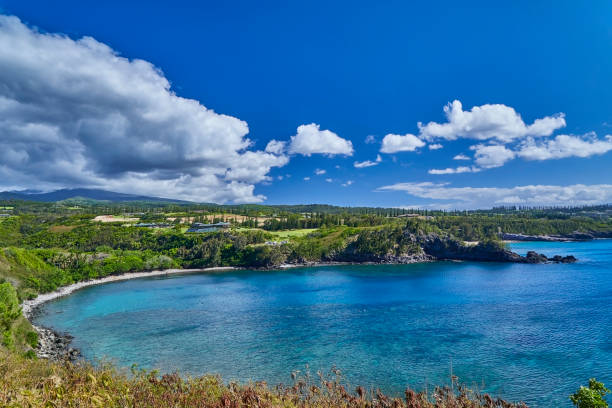
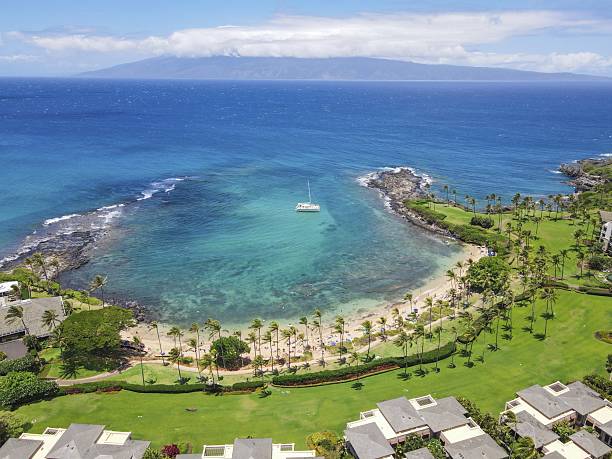
On West Maui, the coastline changes north of Kaanapali. Resorts give way to lava cliffs, ironwood trees, and narrow coves tucked beneath the highway. Some spots, like Mokuleia Bay, are well known but feel hidden at sunrise. Others are turnouts above rocky inlets where the ocean churns against basalt. Winter swells and strong currents can turn a calm-looking cove dangerous within minutes. Go early, check the surf report, and never swim alone. A hidden beach here rewards you with shade, tide pools, and waves echoing off cliffs—but it demands attention.
South Maui offers a different kind of secrecy. Beyond Wailea, the road leads toward Makena and a raw lava landscape. Short trails wind through kiawe and pili grass to pockets of white sand. Some have nicknames, like Secret Cove; others remain unnamed on maps. Morning is best, before trade winds pick up and heat radiates off black rock. Bring more water than you think you need, wear reef-safe sunscreen, and plan your return before afternoon clouds roll in. These beaches can be glassy one hour and choppy the next. If you find a quiet cove, keep your music low and your footprint small.
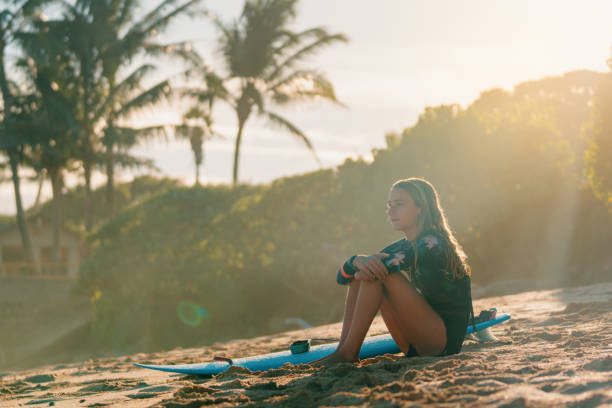
The North Shore, around Paia, Haiku, and Kuau, hides beaches at the end of jungle roads and dirt driveways. Surfers know this coast for its power, and locals know its moods. In summer, some coves offer swimmable turquoise water; in winter, the same spots can be closed out by massive waves. Parking is limited, and neighborhood streets are not overflow lots. Never block a driveway or mailbox. If a path crosses private land, turn around. Enjoy North Shore secrets by supporting local businesses, asking politely for guidance, and accepting that some places are not for visitors.
East Maui, along the Road to Hana, is where hidden beaches become part of the journey. Every bend reveals another waterfall, jungle valley, and glimpse of black rock and blue water. Hamoa Beach is postcard-perfect and can feel almost private at dawn. Kaihalulu Red Sand Beach is dramatic, yet the trail is eroded, steep, and may cross private property. If signs or gates say no, respect them. Other quiet coves near Hana can bring solitude, but they deserve the same care: no trespassing, no litter, no taking sand or stones.
Further south, past Hana toward Kaupo and Kanaio, the island turns dry and remote. This is volcanic coastline at its rawest, with empty beaches, rocky points, and surf that pounds without mercy. The road is rough, rental agreements may prohibit it, and help is far away. These are places to watch, photograph, and wonder at—not to test your luck. If you venture here, go with a local guide, carry extra water, and tell someone your plans.
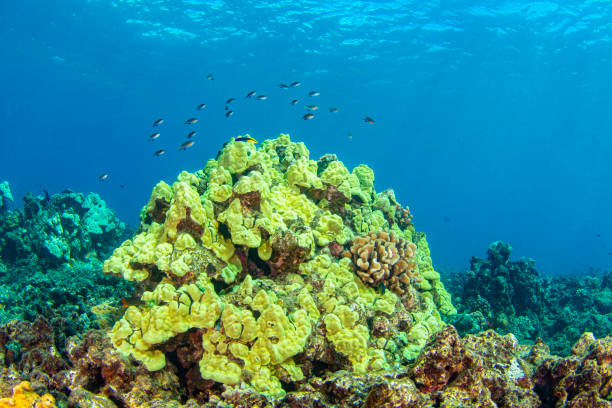
Finding a hidden beach is less about a secret map than good habits. Talk to residents. Read signs. Stay on established paths. Pack out everything you bring, including fruit peels and wrappers. Leave rocks, shells, coral, and sand where they belong. Give sea turtles and monk seals generous distance. Never chase, touch, or feed wildlife. Use reef-safe sunscreen, and rinse off before and after swimming. These choices keep hidden beaches beautiful for the next person—and for the families who have cared for them for generations.
The best time to seek seclusion is early morning, on a weekday, outside peak season. Sunrise light is soft, parking is easier, and the ocean often lies calmer. But safety comes first. Most hidden beaches have no lifeguard, no showers, and no cell signal. Rip currents, shorebreak, rocks, urchins, and jellyfish are real hazards. If the water looks unpredictable, stay dry.
Maui’s secluded shores are not truly secret. They are shared with locals, wildlife, and weather. The reward for finding them is quiet: wind through ironwood, waves on lava, the feeling of stepping outside the guidebook. Treat that moment with aloha, and it will stay with you long after you leave.