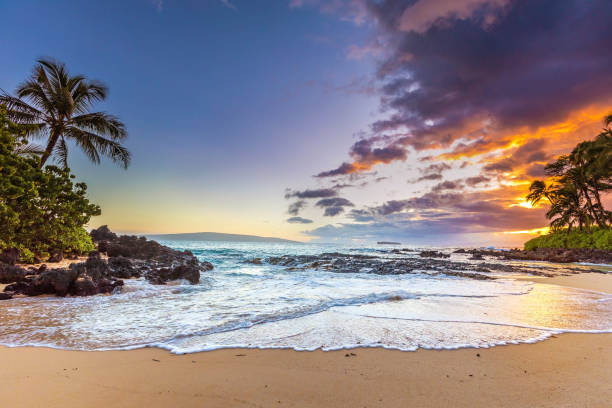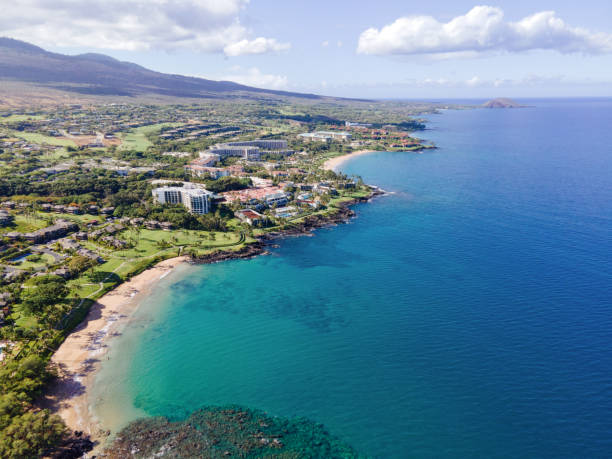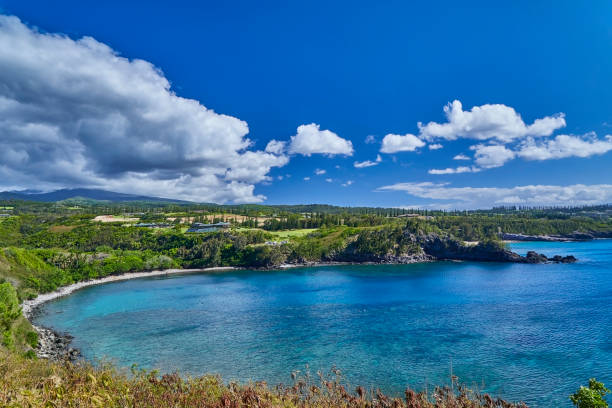
The stretch of coastline from Kapalua down to Kaanapali is one of Maui’s most generous gifts to anyone who loves the ocean. It’s a place where lava fingers reach into clear water, where palm trees lean over sand, and where the reef begins just a short swim from shore. For frequent visitors, this is familiar ground; for first-timers, it’s the part of West Maui that makes you understand why people return year after year. If you’re packing a mask and snorkel, these beaches offer some of the island’s easiest and most rewarding underwater exploring.
Start north at Kapalua Bay. Sheltered by two headlands, it often feels like a natural swimming pool. The water is calm in the morning, and the reef along the sides holds butterflyfish, convict tangs, and the occasional green sea turtle. Because the bay is protected, it’s a good choice for families and less confident snorkelers, though you should still watch for sudden surges when the trade winds pick up. Arrive early; parking is limited and the bay is deservedly popular.
Just south, Napili Bay has a crescent of golden sand and a lively underwater scene. The rocky points at either end are the best places to enter, especially when the middle is crowded with swimmers. Napili is less sheltered than Kapalua, so check conditions before committing. On a calm day, you can drift over coral heads and watch schools of manini and saddle wrasse. When the surf is up, save the snorkeling for another beach and enjoy the shorebreak instead.
Next comes Honokahua Bay, often called DT Fleming Beach Park. This is a beautiful, wilder stretch, with ironwood trees and a broad sand beach. It is not the first choice for beginners because shorebreak can be strong, but strong swimmers and experienced snorkelers sometimes find clear water beyond the break. The real reward here is the sense of space. Come for a picnic, a walk, and the sound of the ocean, and treat snorkeling as a bonus only when the ocean is flat.
Farther south, Kahekili Beach Park—also known as Airport Beach—is one of West Maui’s most reliable snorkeling spots. A paved walkway, grassy lawns, and easy parking make it comfortable for a full morning. The reef is wide and shallow in places, with coral formations and sandy channels. Turtles are common here, often resting under ledges or gliding past. Keep a respectful distance, never touch the coral, and let the turtles come to you. Because this beach faces west, afternoon glare and wind can reduce visibility, so morning is usually best.
The southern anchor of this beach route is Kaanapali, where Black Rock—Pu‘u Keka‘a—rises at the end of the sand. Snorkeling around Black Rock can be excellent, especially along the north side, where the lava slope drops into deeper water. You’ll often see turtles, goatfish, and clouds of damselfish. The current can pick up around the point, and boat traffic is sometimes present, so stay aware and don’t swim too far from shore. For many travelers, this is the classic West Maui snorkel: a morning in the water, then a walk along the beach path for coffee or lunch.
No matter which beach you choose, a few habits make the day better. Go early, when the water is glassy and parking is easier. Check the Maui surf report and ask lifeguards about conditions; West Maui can be calm at one bay and rough at the next. Use reef-safe sunscreen, bring water, and wear fins only if you’re comfortable. Never stand on coral, and give sleeping turtles plenty of room. If the wind turns onshore, the water gets choppy and visibility drops, so have a backup plan: a coastal walk, a shave ice, or simply watching the horizon from the sand.
From Kapalua to Kaanapali, the beaches are not identical postcards. Each has its own mood—protected and gentle, wild and open, busy and social. That variety is exactly what makes this coast so satisfying. You can spend one morning floating over coral in Kapalua, another watching turtles at Kahekili, and another exploring Black Rock before the crowds arrive. The reef asks only that you pay attention and tread lightly. In return, it offers a glimpse of Maui’s underwater world that stays with you long after the sand rinses from your feet.