Maui’s surf is a moving target, which is exactly what makes it rewarding. The island sits in the middle of the Pacific, where winter swells march down from the North Pacific and summer swells arrive from the Southern Hemisphere. Those pulses wrap around Maui’s volcanic ridges, creating waves on different shores at different times of year. Understanding the seasons helps you choose the right break, board, and attitude while staying safer and more respectful of the ocean and the people who call these lineups home.
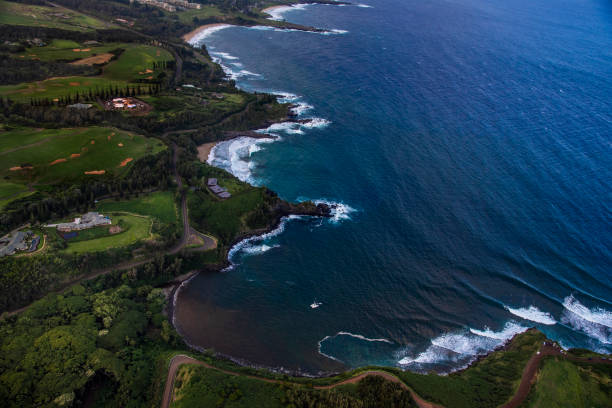
From November through March, the north and west shores take center stage. Powerful North Pacific storms send large, consistent swells to Maui’s north shore, turning Ho’okipa into a world-class arena and sending outer reefs like Lanes and Pe’ahi, also known as Jaws, into giant-wave territory. Ho’okipa demands strong paddling, precise positioning, and deep respect for local surfers. Honolua Bay, on the northwest coast, can also come alive with long, reeling rights when winter swells wrap around the island. On smaller days, the Lahaina side offers gentler options such as Launiupoko, where longboarders and beginners can find mellow rollers. Winter water is slightly cooler, often around the mid-70s, so a light wetsuit top or rash guard is comfortable. North shore rain and gusty trade winds can change conditions quickly, so early mornings and sheltered spots are often best.
Spring, from April into May, is a sweet spot for many surfers. North swells become less frequent, while south swells begin to show. The south shore around Kihei, Wailea, and Makena starts to wake up, offering forgiving waves that are perfect for intermediate surfers and longboarders. The north shore can still deliver fun-sized surf, especially at Kanaha and other breaks near Kahului, with fewer crowds than winter. This is a good time to book a lesson if you are new to surfing, because the waves are often manageable and the ocean feels less intimidating.
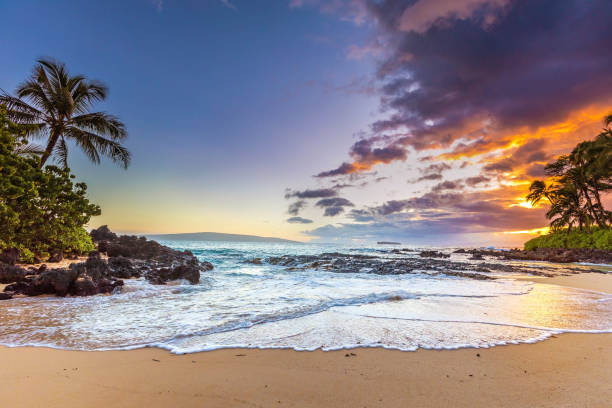
Summer, roughly May through September, flips the focus to Maui’s south shore. Storms deep in the Southern Hemisphere send long-period swells northward, and they show up as small to medium, warm-water waves along Kihei, Wailea, Makena, and the Lahaina coast. They offer gentle rollers, sandy bottoms, and a relaxed vibe that suits beginners, families, and longboarders. The water is bath-like, often in the low 80s, and boardshorts or a swimsuit are usually enough. The north shore tends to go flat or small, but trade winds make it a playground for windsurfers and kiteboarders. Occasionally, a hurricane or tropical system far south can send a powerful south swell, creating bigger, faster waves and dangerous shorebreak, so always check forecasts before paddling out.
Fall, from October into November, is another transition. South swells can linger, while the first north swells begin to arrive. This overlap means you might score waves on both sides of the island in the same week. Crowds are usually lighter than in summer or winter, and the weather is often pleasant. Honolua Bay may start to show its classic form, and south shore spots like Kihei can still offer fun waves. Conditions can be inconsistent, so flexibility is key. Watch the surf reports, consider the tide, and be ready to drive from one coast to the other if the swell direction changes.
Where you stay can shape your surf trip. The west side, around Lahaina and Ka’anapali, puts you close to Launiupoko, Olowalu, and Honolua Bay. The south side, around Kihei and Wailea, keeps you near the summer south shore breaks and is sunny and convenient. The north shore, around Paia, is the heart of Maui’s surf culture, with Ho’okipa, Kanaha, and Ho’okipa Lookout nearby.
No matter the season, respect matters. Learn the lineup rules, wait your turn, don’t drop in, and don’t paddle out at a break beyond your ability. Local surfers protect these waves and the community around them. Check the surf report, watch the ocean for a while, and talk to a local surf shop or instructor before trying a new spot. With the right season, break, and mindset, Maui can give you a surf session you will remember forever. The island’s waves are always moving, and that is the beauty of it.