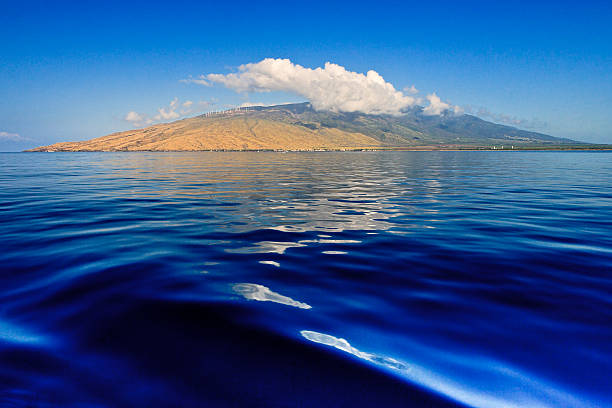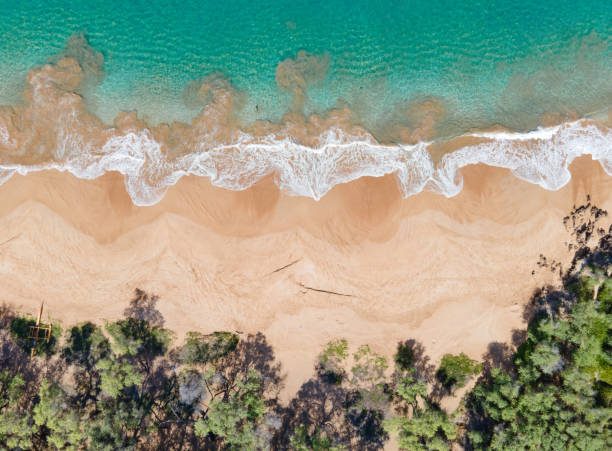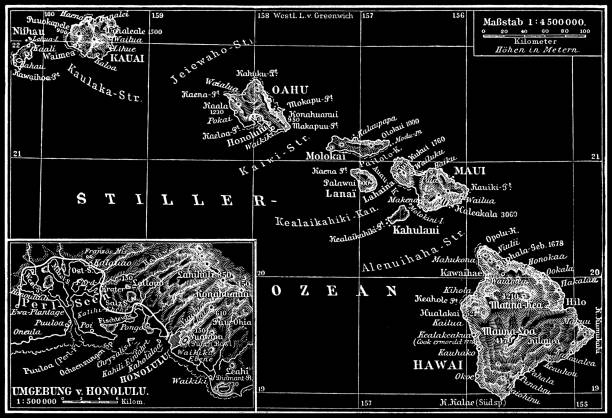
Maui’s underwater landscape is as dramatic as its peaks above the surface. Warm Pacific currents, volcanic structure, and protected leeward waters create inviting scuba diving. Water temperatures often range from the mid-70s to low 80s Fahrenheit, and visibility can stretch over one hundred feet on a good day. Diving happens year-round, though each season brings different conditions. The south and west shores tend to stay calm when winter swells pound the north and east, so divers can usually find a sheltered reef, a lava tube, or a boat site that suits their experience level.
Molokini Crater is the postcard star. This crescent-shaped islet off Maui’s south coast is a marine life conservation district, and its sheltered inner bowl is a favorite for boat dives. The inside slope is gentle enough for newly certified divers, with coral gardens, yellow tang, parrotfish, and occasional moray eels. Experienced divers often head to the back wall, where the crater drops into the blue and pelagic species may pass by. Currents can pick up outside the crater, so listen to the captain and divemaster. Early morning charters usually beat the wind and crowds, offering calmer seas and clearer water.
Turtle Town, near Makena and Wailea, lives up to its name. Green sea turtles are common, resting under ledges or gliding over coral. The area includes dive and snorkel sites, some reached by boat and others from shore. Makena Landing is a popular shore entry, with a sandy channel that leads to lava fingers and reef structures. Turtles are protected, so keep a respectful distance and never chase or touch them. The same rules apply to reef fish, octopus, and eels. A slow, quiet approach often rewards divers with better encounters than a rushed swim.
West Maui offers its own collection of dive sites. Black Rock at Ka’anapali is easy to reach from shore and has good marine life, especially early before swimmers arrive. Honolua Bay is beautiful, but seasonal and can be murky or rough depending on swell. Mala Pier, near Lahaina, is a legendary shore dive with a broken pier structure that attracts turtles, frogfish, reef sharks, and clouds of fish. It is also a wonderful night dive, when octopus and hunting eels emerge. Farther afield, the Lanai Cathedrals are two lava tubes known for dramatic light beams. The crossing from Maui can be rough, and the dives are usually for advanced divers or guided charters.
Getting underwater around Maui is straightforward. Dive shops in Kihei, Lahaina, and Maalaea offer certification courses, guided shore dives, and boat charters. If you are not certified, an introductory dive lets you taste the experience under close supervision. Certified divers can rent gear or bring their own. Nitrox is widely available and can extend bottom time on repetitive dives. Conditions change quickly, so check the marine forecast, respect trade winds, and plan your deepest dive first. Hydrate, avoid alcohol before diving, and leave plenty of surface interval before flying. Seasickness can be an issue on boat rides, especially to Molokini or Lanai, so take precautions if you are prone.
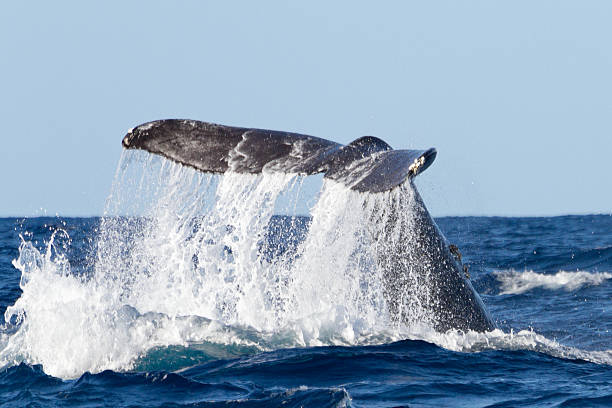
Marine life is the reason to dive here, and protecting it is part of the experience. Hawaiian green sea turtles, white-tipped reef sharks, spotted eagle rays, eels, octopus, and hundreds of fish species share these waters. In winter, humpback whales migrate through, and divers sometimes hear their songs underwater. Coral reefs are fragile, so maintain good buoyancy, keep fins off the bottom, and never stand on coral. Use reef-safe sunscreen, secure dangling gear, and avoid feeding or touching any animal. A good diver leaves the reef exactly as it was found.
Maui scuba diving suits many moods. You can float over a shallow coral garden, drift along a lava wall, explore a broken pier, or descend into a lava tube lit by shafts of sunlight. Dive operators are experienced, the water is inviting, and the reefs are full of surprises. Whether you are adding another stamp to your logbook or taking your first underwater breath, Maui offers a memorable way to see the island from below. Plan for calm mornings, bring an adventurous spirit, and let the ocean show you a side most visitors never see.