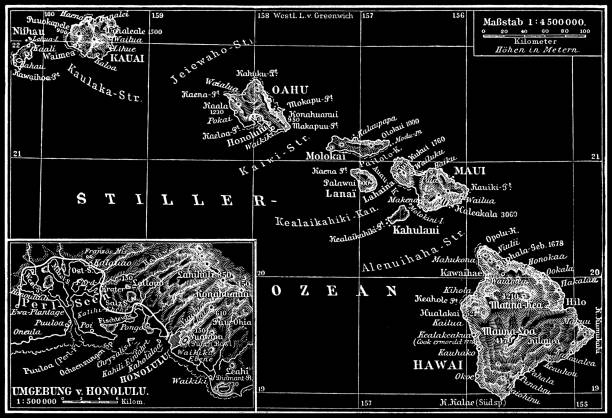
Maui’s story begins on the open ocean, long before resorts, rental cars, or roadside shave ice. Polynesian voyagers, skilled navigators who read stars, swells, winds, and birds, crossed thousands of miles of Pacific to reach the Hawaiian Islands. By roughly the fourth to eighth centuries, they had settled these islands, and later voyages from Tahiti and the Society Islands brought new chiefs, traditions, and genealogies. On Maui, they found fertile valleys, windward rainforests, leeward drylands, and volcanic peaks. They named the island after the demigod Maui, a trickster and culture hero who appears in stories across Polynesia. For travelers today, the earliest history is not buried in a single ruin. It lives in taro terraces in valleys, in stone fishponds along the coast, in heiau platforms, and in place names that remember gods, chiefs, and natural features.
Early Hawaiian society on Maui was organized around the ahupua’a, a land division that usually ran from mountain to sea. Each ahupua’a gave its people access to upland forest, stream water, cultivated taro, and ocean fisheries. Chiefs, or ali’i, managed the land with konohiki overseers, while maka’ainana, the common people, worked and lived within a reciprocal system guided by kapu, or sacred rules. This was not a simple hierarchy but a carefully balanced relationship among people, land, and gods. Visitors can still feel that order at places like Iao Valley, where the stream cuts between emerald cliffs. In 1790, Kamehameha I defeated the Maui forces at the Battle of Kepaniwai, a turning point in his campaign to unify the islands. Later, Maui became part of the unified Hawaiian Kingdom, and chiefs like Ka’ahumanu, a powerful queen and wife of Kamehameha, helped shape the island’s future.
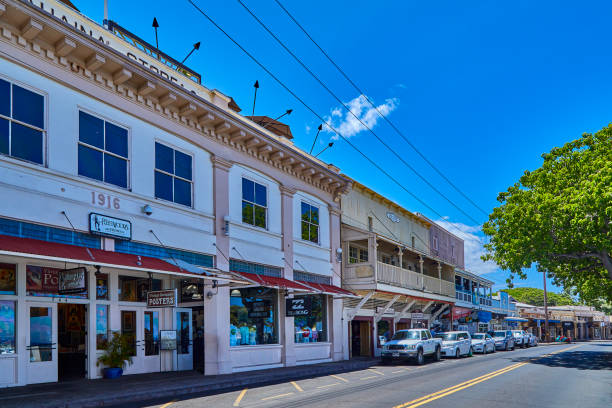
The arrival of Europeans in 1778 changed everything. Captain James Cook’s ships brought new tools, animals, and diseases, but also new pressures. By the 1820s, Lahaina had become a busy whaling port and the capital of the Hawaiian Kingdom. Missionaries arrived in 1823, establishing schools, churches, and the printing press at Lahainaluna. Whalers, missionaries, merchants, and Native Hawaiians crowded the waterfront, creating a town of contradictions: rowdy grog shops and strict Sabbath laws, global trade and deep Hawaiian tradition. Lahaina’s historic district, Baldwin Home, Waiola Church, and the massive banyan tree all tell pieces of that era. The 2023 wildfire devastated much of Lahaina, yet its history and community remain central to Maui’s identity, a reminder that history is not only past but also resilience.
Sugar transformed Maui even more dramatically. In the mid-nineteenth century, plantations began spreading across the central isthmus, drawing water from streams and tunnels to irrigate dry cane fields. Alexander & Baldwin and other companies built mills, railroads, and plantation camps. Laborers came from China, Japan, Portugal, Puerto Rico, Korea, and the Philippines, bringing foods, languages, and traditions that blended into local culture. Towns like Paia, Makawao, Puunene, and Spreckelsville grew around the sugar economy. The Alexander & Baldwin Sugar Museum in Puunene preserves this story, while plate lunches, malasadas, saimin, and mixed-plate favorites show how plantation life shaped Maui’s everyday flavors. Sugar’s last harvest ended in 2016, but the plantation era left a lasting mark on the island’s roads, towns, and people.
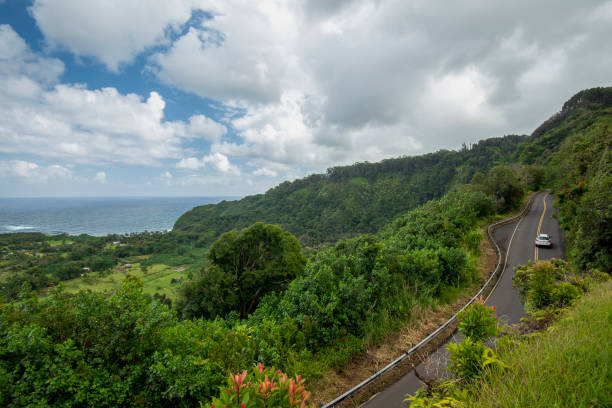
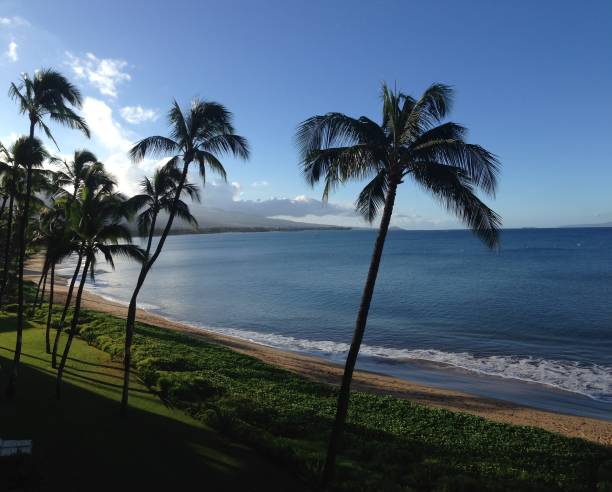
After the overthrow of the Hawaiian monarchy in 1893 and annexation by the United States in 1898, Hawaii became a territory and then a state in 1959. Mid-century jet travel opened Maui to tourism, and resorts rose in Kaanapali, Wailea, and Kapalua. Yet the same decades saw a powerful Hawaiian cultural renaissance. Hula schools, voyaging canoes like Hokule’a, language immersion, and traditional navigation revived knowledge that had been suppressed or endangered. On Maui, that revival appears in hula festivals, taro restoration, fishpond stewardship, and efforts to protect sacred sites. For a traveler, history is best experienced with respect. Visit heiau without moving stones or leaving offerings unless invited. Support Native Hawaiian-owned businesses and cultural practitioners. Learn the meaning of place names and ask before entering private land. Whether you are driving the Road to Hana, wandering Upcountry, or watching sunset from a beach, Maui is a living culture, not just a backdrop. Its past from Polynesian voyagers to plantation workers to modern revival is woven into every valley, town, and shoreline.