Haleakala National Park is one of Maui’s most unforgettable experiences, a place where the island reveals its wilder, higher, and more spiritual side. The park protects the summit of Haleakala, the dormant volcano whose name means “House of the Sun,” along with the lush Kipahulu District on the remote eastern coast. They are not connected by road, so plan them separately. The Summit District is about high-altitude desert, sunrise, sunset, and crater hiking. Kipahulu is about rainforest, waterfalls, bamboo, and pools. Together they show why this national park is essential to understanding Maui’s nature.
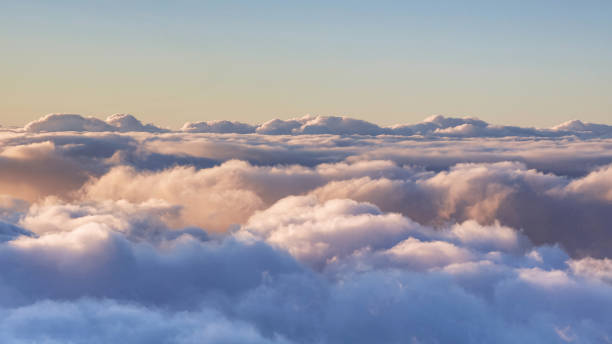
If you dream of catching sunrise from the summit, the first essential is a reservation. Sunrise viewing requires an advance permit for vehicles entering during early morning hours, and these reservations disappear quickly. Book as soon as your dates open. You will also pay the park entrance fee, which is separate. Arrive earlier than you think necessary. The drive from Kula to the summit is winding, steep, and dark, with unpredictable weather. Pull over only in safe turnouts, watch for cyclists, and use low gears on the descent. At the top, step into cold, thin air. Temperatures can feel like winter even when Kihei is warm, so wear layers, a hat, gloves, and closed shoes. Sunrise is quiet, powerful, and shared. Speak softly, avoid bright lights, and respect the sacred nature of the place.
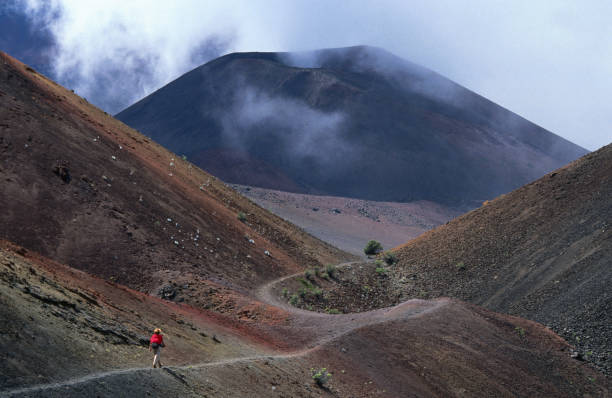
Daytime at the summit is just as rewarding. The Summit Visitor Center offers exhibits, restrooms, and ranger programs about geology, Hawaiian culture, and the rare ecosystem. Short walks like Pa Ka‘oao, or White Hill, give sweeping views without much effort. Hosmer Grove has a cool forest loop. Leleiwi Overlook and Kalahaku Overlook are quick stops with huge payoffs. For a deeper adventure, hike into the crater on the Sliding Sands Trail or connect with the Halemau‘u Trail. These routes are beautiful but demanding. Altitude makes every step harder, and weather can change in minutes. Turn back if you feel dizzy, nauseated, or short of breath. There is no shame in descending.
Altitude, weather, and preparation are the heart of Haleakala National Park essentials. At over ten thousand feet, the sun is intense, the air is dry, and temperatures drop fast. Bring more water than you think you need, along with snacks, sunscreen, sunglasses, and a windproof jacket. There is no gas, limited food, and spotty cell service in the park, so fill your tank and download maps before leaving town. Check the National Park Service website for closures, advisories, and road conditions. Travelers with children, older adults, or heart or lung concerns should take the altitude seriously. A slow pace and frequent breaks can make all the difference.
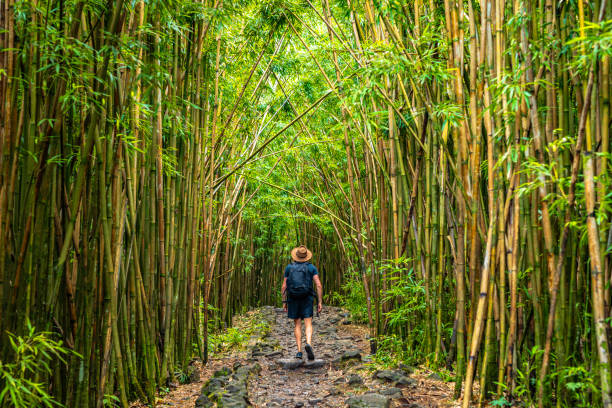
Kipahulu is the other half of the park, and it feels like a different island. Reached by the Hana Highway past Hana, this district is green, wet, and alive with waterfalls. The short walk to Oheo Gulch, sometimes called the Seven Sacred Pools, reveals cascades and pools, though swimming is often unsafe or prohibited. Never enter the water when signs warn against it. The Pipiwai Trail is the signature hike here, climbing through bamboo forest to Waimoku Falls. It is muddy, root-filled, and magical. Wear shoes with grip, carry rain gear, and start early enough to avoid afternoon crowds and darkness. Because Kipahulu and the summit are far apart, do not try to combine them in one rushed day.
Wherever you explore, let respect guide you. Haleakala is sacred to many Native Hawaiians, and the summit area contains cultural sites. Stay on marked trails, do not move rocks or artifacts, and keep voices low in sensitive areas. Drones are prohibited, and feeding wildlife harms animals. Pack out everything you bring in, including fruit peels and wrappers. Native plants and birds survive in a fragile world; your care helps protect them. Whether you come for sunrise, a crater hike, or a bamboo forest waterfall, the park asks for patience, preparation, and humility. Give it those things, and Haleakala will give you memories that last far longer than any photograph. Every visit feels different, shaped by clouds, light, and season.