Haleakala means “house of the sun,“ and its summit dawn explains why. At 10,023 feet, the mountain fills the sky with a volcanic landscape that feels more like another planet than a Hawaiian island. The essentials for a memorable visit begin long before you reach the entrance gate. If you plan to see sunrise from the Summit District, you need a vehicle reservation. These reservations are released online in advance and disappear quickly, especially during busy seasons. The entrance fee stays valid for several days, so keep your receipt. Arrive at least an hour before sunrise, not only because the parking lots fill, but because the best colors appear well before the sun itself. The summit is often thirty degrees cooler than the beach, and wind can make it feel colder still.
Altitude is the quiet essential that many visitors underestimate. The summit sits high enough that some people feel lightheaded, short of breath, or nauseated. Drink water, eat something mild, and move slowly. If you feel unwell, descend. The air is thin, the sun is fierce, and the weather can change from clear to misty in minutes. Dress in layers: a moisture-wicking base, a warm fleece or sweater, a windproof jacket, gloves, a hat, and closed shoes. A blanket can make waiting for sunrise far more comfortable. Sunglasses and sunscreen matter even when clouds roll in, because high-altitude ultraviolet light reflects off the cinder fields. Bring a flashlight or headlamp for pre-dawn walking, and never rely on your phone battery in the cold.
Hiking is the best way to feel Haleakala’s scale. The Sliding Sands Trail begins near the visitor center and drops into the crater, a vast basin of cinder cones, lava flows, and silvery plants. The first mile is deceptively easy because it goes downhill, but the return is all uphill at altitude. Turn around before you feel tired. The Halemau’u Trail offers dramatic switchbacks and ridge views, while Hosmer Grove provides a short, gentle loop through native and introduced trees where forest birds flit in the mist. Leleiwi Overlook and Pa Ka’oao offer big views without a long hike. Whatever trail you choose, carry extra water, wear sturdy shoes, and tell someone your plan. Cell service is unreliable, and trails are not patrolled like city parks.
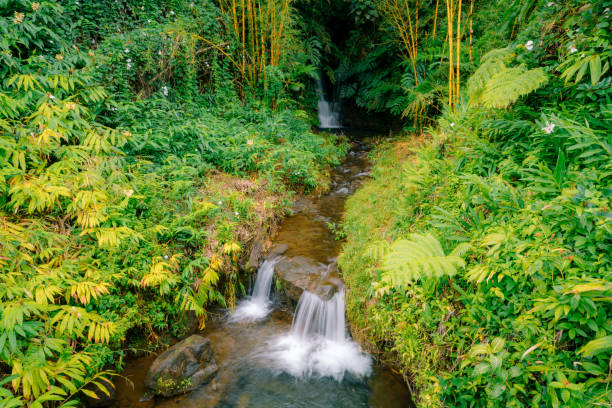
The Kipahulu District, reached by the long and winding road beyond Hana, is a different experience. Here, rainforest streams tumble toward the ocean, and the Pipiwai Trail leads through a towering bamboo forest to Waimoku Falls. The pools at Ohe’o Gulch are beautiful, but they can close without warning when flash floods threaten. Respect every closure. This district rewards early starts, patience, and a willingness to turn back if conditions change. The entrance fee for Haleakala covers both districts for consecutive days, so if you have time, pair a summit morning with a Kipahulu afternoon on separate days.
Practical preparation makes the difference for a smooth visit. Fill your gas tank before you climb, because there are no service stations inside the park. Pack food and water; options near the summit are extremely limited. Check the park website for alerts, road closures, and sunrise reservation details. If you miss sunrise, consider sunset or stargazing instead. The summit is also one of Hawaii’s best places for stargazing. Remember that Haleakala is a sacred place in Hawaiian culture. Stay on trails, pack out everything, leave rocks and plants, and keep voices low. Drones are not allowed.
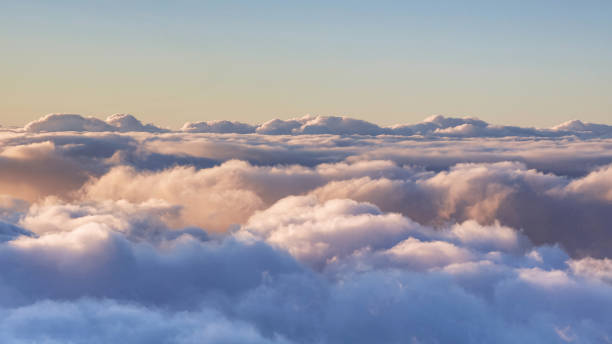
The most important essential is respect. Respect the altitude, the weather, the wildlife, the culture, and your own limits. Haleakala is not a theme park or a quick photo stop. It is a living volcanic mountain with moods and mysteries. When you prepare well, you give yourself room to be surprised by the first light, the scent of eucalyptus, the crunch of cinder, and clouds pouring over the rim. Whether you come for sunrise, a crater hike, a bamboo forest walk, or a night under the stars, let the mountain set the pace. Give yourself time to sit still and listen. The mountain does not need to impress you; it simply is. You will leave with the kind of memory that calls you back across the ocean.