Maui’s coral reefs are living cities, built by tiny animals over centuries and filled with fish, sea turtles, octopuses, and creatures that look like moving flowers. They also protect shorelines from waves, support Native Hawaiian traditions, and draw travelers from around the world. When you snorkel at Molokini, float over the coral gardens of Honolua Bay, or paddle along Kapalua’s coast, you are a guest in one of the ocean’s most fragile neighborhoods. Responsible ocean travel starts before you enter the water, with a simple promise: take only photos, leave only bubbles, and treat every living thing with respect.
Sunscreen is one of the first places to make a better choice. Certain chemical filters, including oxybenzone and octinoxate, can harm coral larvae, contribute to bleaching, and disrupt marine life. Choose a mineral-based sunscreen with non-nano zinc oxide or titanium dioxide, or skip lotion altogether by wearing a long-sleeve rash guard, swim leggings, a wide-brim hat, and sunglasses. Even “reef-friendly” labels can be vague, so read the active ingredients. Apply before you get to the beach, let it dry, and remember that no sunscreen is truly harmless when washed off in large amounts. Covering up is the kindest option for the reef and often the most comfortable under Maui’s strong sun.
In the water, buoyancy is your best tool. Coral is alive, and even a light touch can injure or kill the polyps that build it. A single misplaced fin kick can snap off branches that took decades to grow. If you need rest, use a snorkel vest, floating noodle, or simply roll onto your back and float. Enter through sandy channels rather than scrambling over reef flats. Practice swimming horizontally so your fins stay above the coral, and never stand, kneel, or grab onto rocks. It may feel awkward at first, but good buoyancy becomes second nature and opens up a quieter, closer view of marine life.
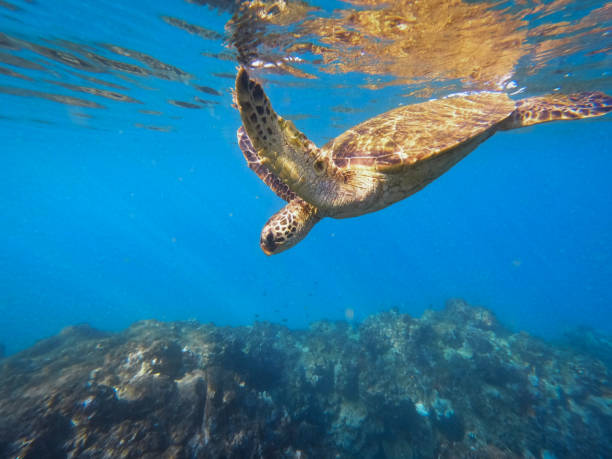
Wildlife encounters are a privilege, not a right. Hawaiian green sea turtles, monk seals, dolphins, and reef fish all need space to feed, rest, and reproduce. Keep a respectful distance, and let animals approach you rather than chasing them. Never feed fish, touch turtles, or block a monk seal’s path to the ocean. If a turtle swims near, stay still and enjoy the moment without following. Mothers with young are especially vulnerable. When you stay calm and distant, you often see more natural behavior: a parrotfish scraping algae, an eel peeking from its hole, a humpback whale breaching far offshore.
Choose tour operators and rental companies that put the reef first. Ask whether they use permanent moorings instead of anchors, keep groups small, brief guests on reef etiquette, and provide reef-safe sunscreen or encourage cover-ups. A good guide will point out wildlife without harassing it and will cancel a trip if conditions are unsafe. If you rent a kayak or paddleboard, stick to deeper water and avoid shallow coral beds. Plan around tides and wind, and never drag equipment across a reef. Your dollars are votes, so support businesses that treat the ocean as a resource worth protecting.
Trash is another easy place to make a difference. Pack out everything you bring, including cigarette butts, food wrappers, and broken fins. Fishing line and plastic bags can entangle seals, turtles, and seabirds. Bring a reusable water bottle and avoid single-use plastics when possible. If you spot garbage in the water or on the beach, pick it up safely, but never touch anything sharp or unstable. Join a beach cleanup if your schedule allows. Small acts of care add up, and a clean shoreline is a healthier nursery for the reef.
Respect for Hawaiian culture and local rules is part of responsible travel. Some coastal areas are protected as reserves or no-take zones, such as Ahihi-Kinau, where fishing and removal of anything are prohibited. Others have seasonal restrictions to protect nesting or resting wildlife. Read signs, ask questions, and follow the guidance of lifeguards and land managers. The ocean in Hawaii is not only a playground; it is a source of food, a burial place, a highway, and a relative. Travel with humility, and remember that visitors are guests in a living culture as well as a living reef.