The ocean on Maui can look like a postcard: turquoise water, warm sand, gentle trade winds. But the same ocean can turn powerful in minutes, especially where waves break directly onto the shore. Shorebreak is one of the most beautiful and dangerous conditions you will encounter here. It is not a reason to stay dry, but it is a reason to learn how to read the water, respect its mood, and know when to watch from shore.
Shorebreak happens when a wave travels from deep water and meets a steep beach or shallow reef. The energy has nowhere to go but up. The wave jacks and slams down in inches of water. On Maui, this can happen at Makena’s Big Beach, Napili, Kapalua, Paia, and Hamoa. Even a two-foot shorebreak can knock an adult off their feet, drive them into the sand, and cause neck or spinal injuries.
Ocean conditions change by region and season. In winter, north and west shores receive long-period North Pacific swells. Ho’okipa, Baldwin, and Kanaha become expert-only zones, while Kapalua and Napili can see heavy surf. In summer, south shores like Kihei, Wailea, and Makena are often calmer, but south swells still arrive and create strong shorebreak. The east side around Hana is remote, rocky, and exposed, with fewer lifeguards and stronger currents. Check forecasts, surf reports, tides, and wind. A high surf advisory is a warning.
Reading the ocean takes a few minutes. Stand on dry sand and watch for at least fifteen. Look for where waves break, how often big sets come, and whether there are lulls. Notice if anyone else is swimming. If the water is empty on a beautiful day, ask why. Look for rip currents: darker, choppy water, foam moving offshore, or a gap in the breaking waves. A steep beach often means a harder shorebreak. Find the lifeguard tower, check the flags, and ask about conditions. Lifeguards know the beach better than any app.
When you enter the water, never turn your back on the ocean. In shorebreak, keep your feet under you and your knees bent. Do not dive headfirst into a wave, even if it looks small. If a wave is about to break on you, stay low, cover your head, and brace. If you are knocked down, do not panic. Protect your head and neck, let the wave push you, and stand only when the water recedes. Fighting the ocean drains energy. If a current pulls you away, swim parallel to the beach until it releases, then angle back in. If you cannot make progress, float and wave for help. Children need constant supervision; a shorebreak can sweep them off their feet before an adult can react.
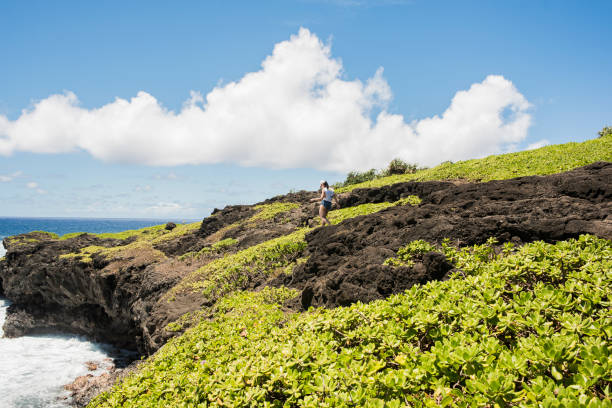
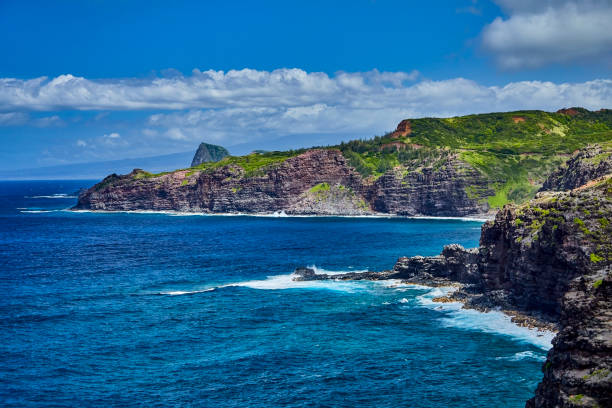
Reef and rock add another layer. Many Maui beaches are fringed by coral and lava. At low tide, shallow reef can be exposed, and a falling wave can push you onto it. Urchins, coral cuts, and slippery rocks are common. Avoid touching the reef. Wind also matters. Trade winds build in the afternoon, chopping the surface and making swimming harder. Mornings are usually calmer. Currents are strongest around points, channels, and river mouths. A beach that feels gentle at noon can be rough by three.
The most common mistake is overconfidence. A calm lull does not mean the next set will be small. Alcohol and ocean swimming do not mix. Chasing the perfect photo with your back to the water is a gamble. Entering an unguarded beach alone is another. Even strong swimmers from other oceans can be humbled by Maui’s shorebreak. The water here is not a pool. It is a living, moving force.
None of this is meant to scare you away. Maui’s beaches are unforgettable, and swimming in warm Pacific water is a joy. Match your plan to your skill, choose beaches with lifeguards, and heed warnings. Watch the locals, but do not assume you can do what they do. If in doubt, do not go out. Sit on the sand, feel the trade winds, and let the ocean show you its power. Respect it, and you will remember Maui for all the right reasons.