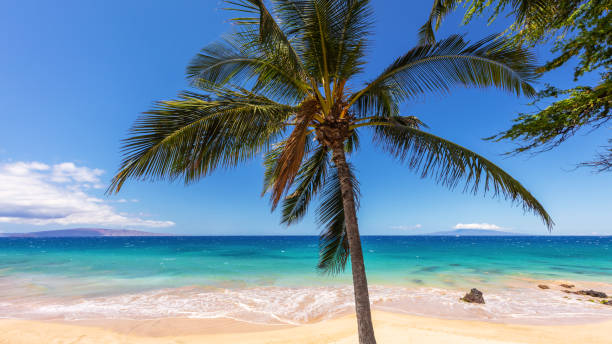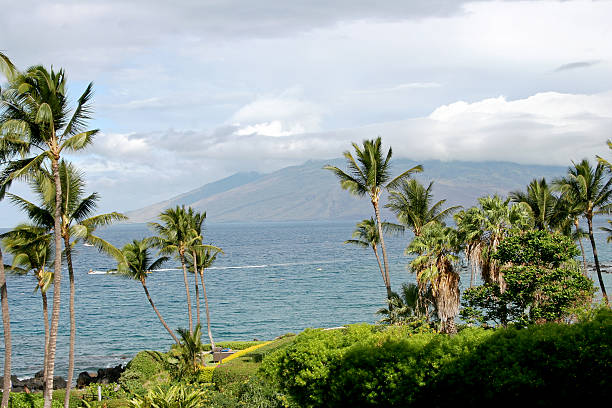
Maui’s ocean is more than a view. It is a living, breathing invitation, a blue expanse that changes mood with the hour, the wind, and the season. To see the island from the water is to understand it differently. The same coastline that looks dramatic from a cliff becomes intimate from a kayak, playful from a paddleboard, and almost sacred from an outrigger canoe. Each craft asks something different of you, and each gives back a distinct kind of magic.
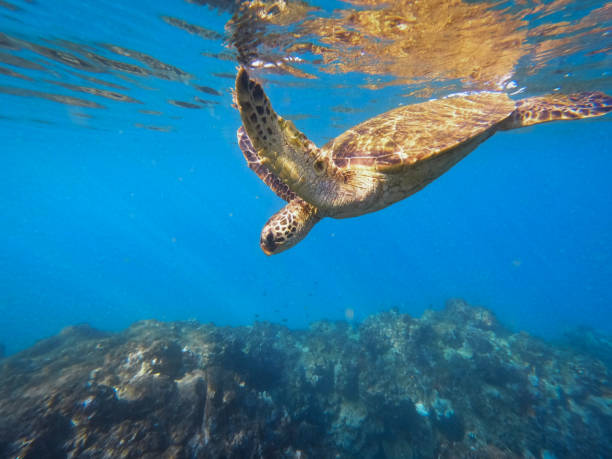
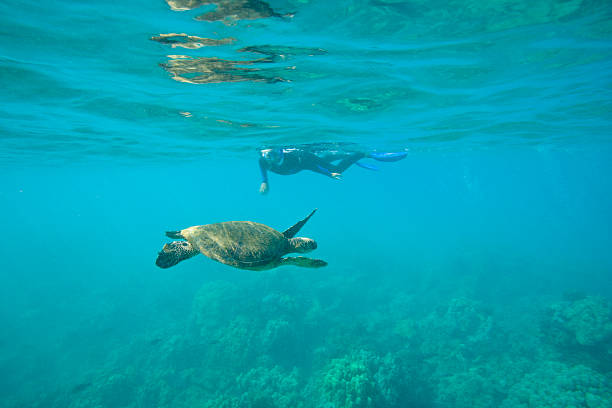
Kayaking may be the most accessible way to begin. In calm morning conditions, South Maui offers gentle launch points where the water is clear enough to watch fish dart beneath your hull. A guided paddle toward Molokini or along the Makena coast can reveal coral gardens, sea turtles, and, in winter, humpback whales breaching in the distance. West Maui has its own appeal, with sheltered bays and dramatic lava coastlines. Beginners should choose a stable sit-on-top kayak, go with a guide or a reputable rental company, and pay close attention to wind forecasts. The trade winds that keep Maui comfortable on land can turn a peaceful paddle into a workout, so early mornings are golden. Respect the reef, never stand on coral, and give wildlife plenty of space.
Paddleboarding, or SUP, offers a slower, more meditative rhythm. Standing on a board, you feel every swell and ripple. On a glassy morning at Kihei or Lahaina, the experience can feel like walking on water. Beginners can start on their knees, then rise once they find balance. A wide, stable board and an ankle leash are your friends. As confidence grows, you can explore hidden coves, glide over shallow reefs, and watch honu, the Hawaiian green sea turtles, graze below. More experienced paddlers might try a downwind run, but Maui’s famous Maliko Run is not for the unprepared. It demands strong skills, ocean knowledge, and respect for changing conditions. For most visitors, a quiet sunrise paddle, a sunset glide, or a SUP yoga session on calm water delivers all the wonder without the risk.
Outrigger canoeing adds culture, teamwork, and history to the water experience. The wa’a, or Hawaiian outrigger canoe, is not simply a boat. It is a vessel of navigation, storytelling, and connection. Paddling in a six-person canoe means learning to move as one. A steersman guides the craft, while paddlers find a shared rhythm. Guided tours often begin with a chant or a lesson in Hawaiian values, then head into the water where dolphins, turtles, and seasonal whales may appear. The feeling of the canoe slicing through open ocean is powerful, especially when the island shrinks behind you and the horizon opens wide. Some tours offer a taste of canoe surfing, riding a wave with the help of an expert crew. Others focus on calm-water journeys, cultural education, and the simple joy of being on the sea in a traditional way. The canoe connects paddlers to the same routes that Polynesian voyagers once traveled, reminding us that the ocean is a highway as well as a playground.
Planning a water adventure on Maui is mostly about timing and humility. Conditions can change quickly. Morning is usually calmer, with trade winds building by afternoon. Winter brings larger north and west swells, while summer often offers gentler seas on the south and west shores. Always check the weather, surf, and wind reports. Use reef-safe sunscreen, wear a rash guard, bring water, and secure anything you do not want to lose. If you are new to the sport, take a lesson or join a guided tour. Local guides know the currents, the reefs, and the wildlife patterns, and their knowledge makes the experience safer and richer.
The ocean rewards those who pay attention. Whether you are paddling a kayak through a quiet bay, balancing on a paddleboard as the sun rises, or pulling an outrigger canoe through open water with a crew beside you, Maui will leave a mark. You may arrive thinking of the island as a destination. After a morning on the water, you may begin to understand it as a relationship. The sea is patient, powerful, and full of surprises. All you have to do is launch. The memories remain long after the salt dries on your skin.