The Road to Hana is often described as the journey rather than the destination, but the real magic begins when you step onto a trail. This winding 64-mile route along Maui’s windward coast is a corridor of rainforest, bamboo, ginger, and waterfalls. Give yourself a full day, ideally two. Start before sunrise, because the road’s many curves and one-lane bridges demand patience. The early start also helps you beat tour vans and find parking at popular trailheads.
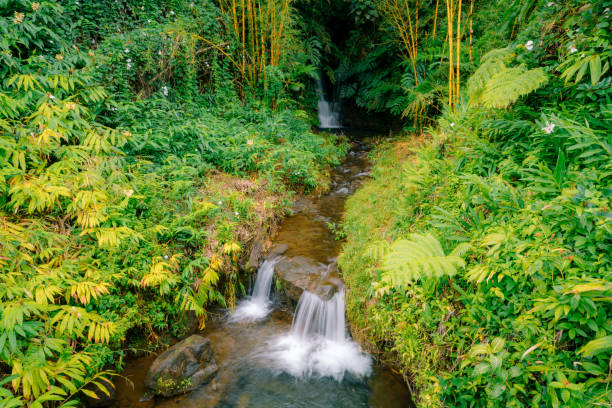
Twin Falls is usually the first stop, just past mile marker 2. It is a gentle introduction: a short walk through farmland and forest to several tiers of falls and pools. The farm stand sells fresh coconut, banana bread, and sugarcane juice. Swimming is sometimes possible, but never assume a pool is safe. Heavy rain inland can turn a calm stream into a flash flood within minutes. If the water is brown, rising, or carrying debris, stay out.
A little farther, Waikamoi Nature Trail offers a quiet alternative. This short loop climbs through eucalyptus and native forest, with picnic tables and coastal views. It is not a waterfall hike, but it sets the mood: muddy, fragrant, and full of birdsong. Nearby pullouts invite you to stretch your legs, but always respect no-trespassing signs. Many tempting paths cross private land.
The most famous waterfall hike is the Pipiwai Trail in the Kipahulu District of Haleakala National Park. It begins near the Pools of Ohe’o, also known as the Seven Sacred Pools, though there are more than seven and they were never traditionally sacred. The four-mile round trip climbs past banyan trees, through a dense bamboo forest that clicks and groans in the wind, and finally to Waimoku Falls, a 400-foot ribbon dropping down a sheer lava cliff. The trail can be slick, so wear shoes with traction. Swimming at Waimoku Falls is not allowed, and Ohe’o pools often close when water levels are dangerous.
Along the highway, several waterfalls appear right beside the road. Upper Waikani Falls, often called Three Bears, is a trio of cascades visible from a bridge. Parking is limited and the walk down can be steep and slippery, so many travelers admire it from the shoulder. Pua’a Ka’a State Wayside offers a quick stop with a small waterfall and restrooms. Wailua Falls, near mile marker 45, pours 80 feet into a pool beside the road. It is beautiful and tempting, but the pool is often crowded and the rocks are treacherous. Use pullouts only where legal, and never block traffic.
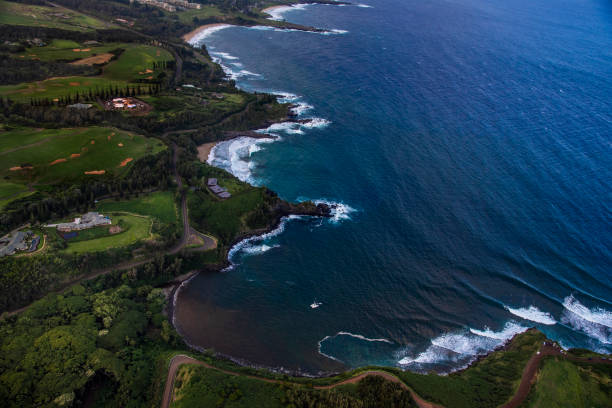
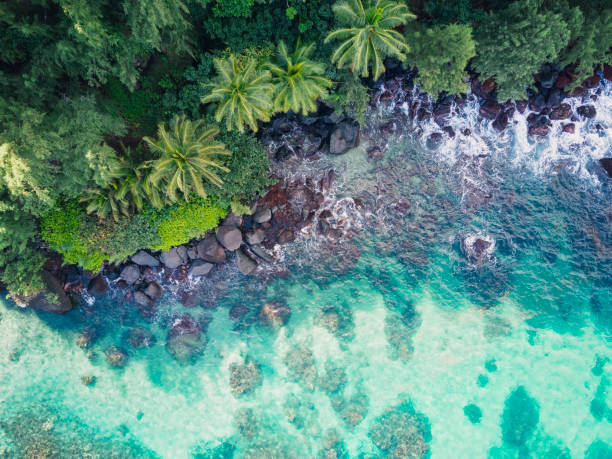
For a different kind of hike, Wai’anapanapa State Park near Hana is essential. Its coastal trail leads to a black sand beach, sea arches, blowholes, and ancient Hawaiian sites. Reservations are required for out-of-state visitors, so plan ahead. The lava is sharp and the ocean is powerful. Watch waves explode against the cliffs; do not turn your back on them.
Farther past Hana, the road grows quieter. The Kipahulu section of Haleakala National Park is where the Road to Hana and the island’s wilder side meet. If you continue around the back side, check rental car restrictions and road conditions first. Many companies prohibit driving the unpaved section beyond Hana, and for good reason.
Waterfall hunting here is less about checking off names and more about tuning in. Rain feeds the falls and keeps the rainforest alive, but it also creates danger. Never swim in a pool beneath a waterfall when the water is rising, and never ignore closed gates or warning signs. Freshwater streams can carry leptospirosis, so avoid swimming with open cuts and never drink from them. Use mosquito repellent, carry water, and pack out everything you bring in. The land is not a theme park; it is a living Hawaiian landscape.
The best advice is simple: start early, drive slowly, stop often, and be willing to skip a famous stop if parking is full or the trail is unsafe. Some of the most memorable moments happen at lesser-known pullouts where you hear a cascade before you see it. Hike gently, swim only when conditions allow, and let the rainforest set the pace.