Hawaiian culture is not a performance staged for visitors; on Maui, it is a living practice woven into daily life. It appears in the way people greet strangers, care for elders, protect streams, and share stories. For travelers, the first step is to arrive with humility. You are not simply visiting a beautiful island. You are stepping into a place with a deep history, a distinct language, and a host of traditions that continue to shape life today. The more you learn before you arrive, the richer every beach, trail, and town becomes.
The word aloha is often translated as hello, goodbye, and love, but its meaning is larger. It speaks of breath, presence, compassion, and mutual respect. To live aloha is to be fully here, to listen more than you speak, and to treat others as family. You will hear aloha in shops, on road signs, and in casual conversation, but its spirit matters more than its pronunciation. When you receive aloha, receive it with gratitude. When you offer it back, offer it sincerely. A friendly wave, patience in traffic, and a genuine mahalo can carry more meaning than you might expect.
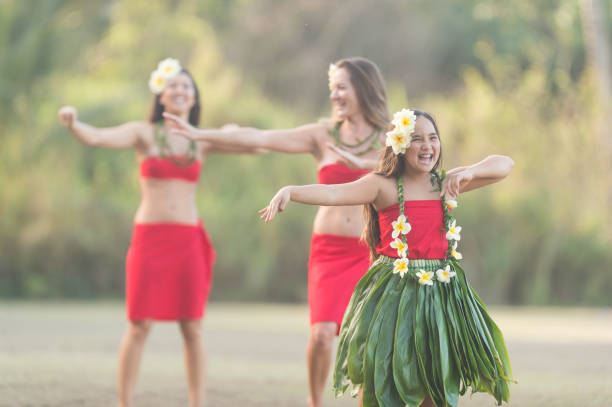
Hula, mele, and oli are among the most beautiful ways Hawaiian culture survives. Hula is not merely entertainment; it is an archive of history, genealogy, nature, and emotion. Every hand movement and rhythm can carry a story. If you attend a luau, choose one that honors Hawaiian practitioners and explains the traditions behind the songs and dances. Even better, look for community hula festivals, church events, or cultural workshops where the focus is on learning rather than spectacle. Listen closely to the chants. They often call upon ancestors, winds, rains, and places. You do not need to understand every word to feel the power.
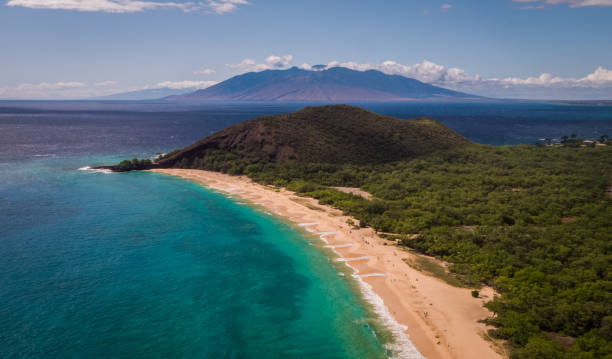
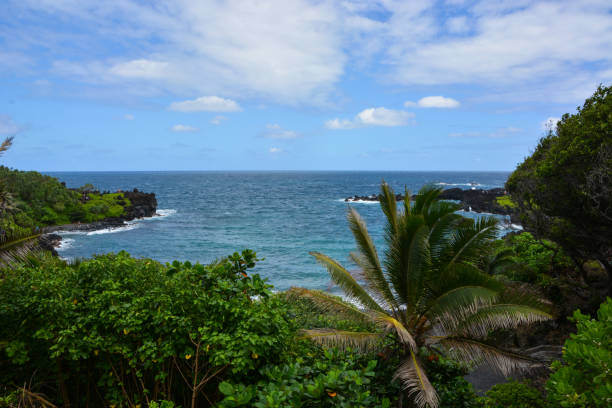
Malama aina, caring for the land, is a central Hawaiian value. The land is not scenery; it is ancestor, teacher, and relative. On Maui, this means treating Haleakala, Iao Valley, the rainforests of Hana, and every stream and shoreline with respect. Stay on trails. Do not stack rocks, carve into trees, or take sand, coral, or stones. Heiau, ancient temples, are sacred sites, not photo props. If a place is roped off or marked kapu, stay away. Speak quietly in places that feel powerful. Pack out all rubbish, even tiny bits. Better yet, join a beach cleanup or restoration project. Travelers who give back are remembered with warmth.
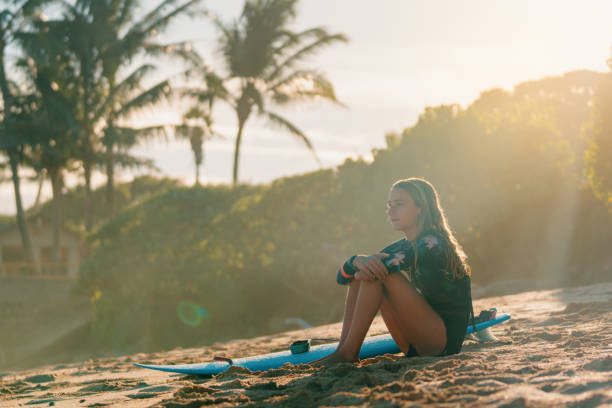
The ocean also deserves deep respect. For many Hawaiians, the sea is not a playground alone; it is kin, provider, and sometimes dangerous force. Learn conditions before swimming, snorkeling, or surfing. Follow lifeguard warnings. Observe local surfers before paddling out, and never drop in on someone’s wave. If you are unsure, hire a local guide who understands the water. Traditional fishponds, voyaging canoes, and fishing practices remind us that the ocean has sustained island life for centuries. Enjoy it with wonder, but also with caution and restraint. The best ocean experiences are often quiet ones: watching sunrise, listening to waves, and leaving only footprints.
Food and language offer gentle ways to connect. Traditional Hawaiian foods include kalo, or taro, often served as poi, along with sweet potato, breadfruit, fish, and limu. Poke, kalua pig, and haupia are familiar to many visitors, but take time to learn their stories. Kalo is considered an elder brother in Hawaiian tradition, so poi is more than a side dish. Support family-run restaurants, farmers markets, and Hawaiian-owned businesses. Try a few Hawaiian words: aloha, mahalo, e komo mai, a hui hou. Say “on Maui,” not “in Maui.” Learn the meanings of place names. Small efforts show that you see the island as a home, not a backdrop.
When planning your trip, leave room for culture alongside beaches and hikes. Visit museums and cultural centers. Talk story with residents. Shop locally. Attend a Makahiki event if your visit coincides with the season. Drive through towns like Wailuku, Makawao, and Hana with patience and curiosity. Remember that Maui is still recovering and changing in places, and that residents’ daily lives continue beyond tourism. Your kuleana, your responsibility, is to travel with awareness. Aloha is reciprocal. Arrive as a malihini, a guest, and leave as a friend. The island will give you beauty, but its culture will give you something deeper if you let it.