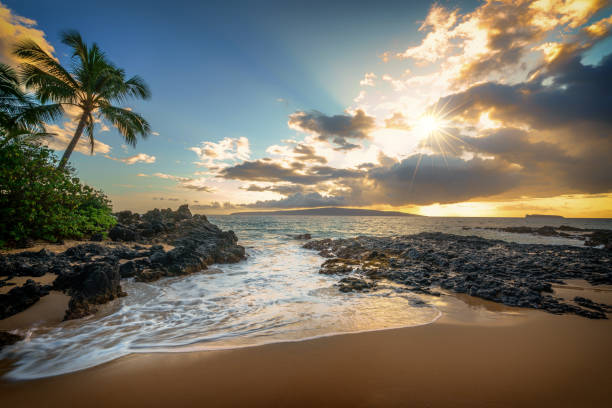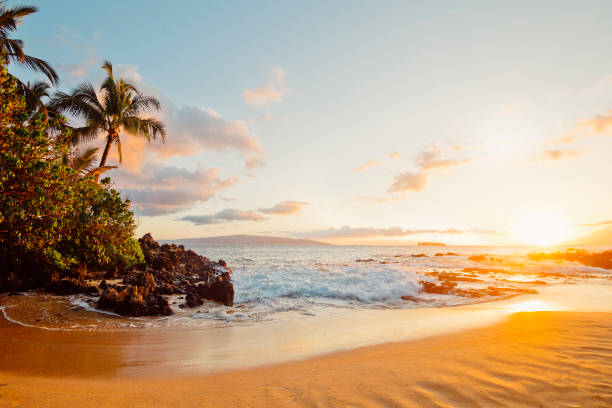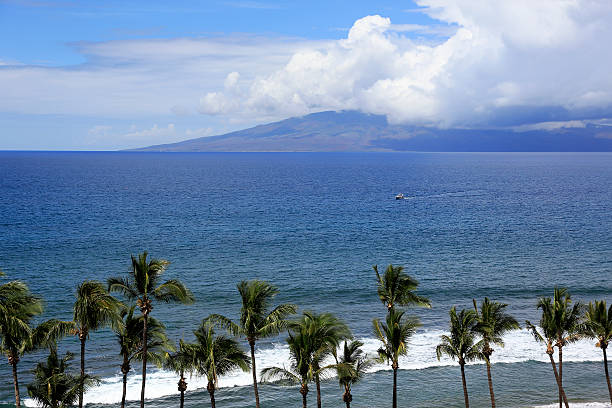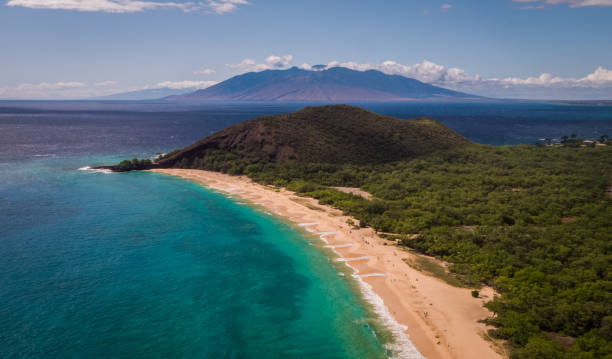
Maalaea is easy to miss. Most visitors driving from Kahului to Lahaina or Kihei pass through this small harbor village without realizing they are crossing one of Maui’s most interesting seams. Here, the West Maui Mountains tumble toward the sea, the Central Isthmus stretches east toward Haleakala, and the water of Maalaea Bay opens toward Molokini, Kahoolawe, Lanai, and the wide Pacific. It is a place of transition, where the island’s volcanic past, working harbor present, and outdoor future meet.
The harbor is the heart of Maalaea. From its docks, snorkel and dive boats head to Molokini Crater and Turtle Town, fishing charters chase mahi-mahi and ono, and sunset cruises offer a front-row seat to the sky catching fire over Lanai. In winter and early spring, humpback whales fill the bay. Mothers and calves rest near the surface, males breach and slap, and even a casual stroll along the harbor walk can turn into a wildlife spectacle. The Maui Ocean Center, one of Hawaii’s best aquariums, adds a land-based way to understand the reef, with sharks, rays, corals, and a walk-through tunnel that makes the ocean feel close enough to touch.
Maalaea Beach and Haycraft Park offer a quieter counterpoint. The beach is long and open, backed by kiawe trees and the low hum of wind. It is not always the best swimming spot when the trade winds crank, but it is wonderful for walking, shell hunting, watching windsurfers, and simply feeling the scale of the bay. The wind is part of Maalaea’s character. Funneled between the West Maui Mountains and Haleakala, it can turn a calm morning into a brisk afternoon.
Just east of Maalaea, the Central Isthmus reveals itself as the flat, fertile saddle between Maui’s two great volcanoes. This lowland once carried a vast sugar cane industry; today it holds Kahului Airport, the port of Kahului, shopping centers, homes, and diversified farms. It is the island’s practical backbone, but it is also surprisingly scenic. From the Mokulele Highway, Haleakala rises in one direction and the West Maui Mountains in the other, while the ocean glints behind. Kealia Pond National Wildlife Refuge, tucked beside the highway, protects one of Hawaii’s few remaining natural wetlands. Hawaiian stilts, coots, and migratory shorebirds pick through the shallows. A boardwalk lets you pause without disturbing them.
For travelers, the Central Isthmus is a convenient base and a lesson in Maui’s geography. From Maalaea, you can drive north along the Honoapiilani Highway toward Lahaina, watching surf break against lava rock. You can drive south on Mokulele Highway to Kihei and Wailea, where beaches stretch for miles. Or you can turn inland to Wailuku, the historic county seat, where old plantation-style buildings, local shops, and cafes give a glimpse of everyday Maui life. Above Wailuku, Iao Valley State Monument offers a dramatic change of scene: a lush, misty gorge cut into the West Maui Mountains, with the iconic Iao Needle rising like a green spire. It is a short drive from Maalaea, yet it feels like another world.
Food and drink in the area range from casual to memorable. Maalaea has waterfront spots for fish tacos, burgers, and cold drinks after a day on the water. Wailuku has a growing cafe and restaurant scene, plus monthly events that bring residents and visitors together. Kahului, meanwhile, is the place for local plate lunches, bakeries, and practical errands before a road trip. The Central Isthmus may not have the postcard polish of a resort, but it has authenticity. It is where Maui works, eats, and moves.
When planning a visit, think of Maalaea and the Central Isthmus as more than a pass-through. Stay a night or two in a Maalaea condo and use the harbor as your launchpad. Book Molokini snorkel trips early, reserve whale watches in season, and keep a light jacket handy for windy afternoons. Respect the wetland and its birds, never approach marine life too closely, and leave plenty of time for unplanned stops. The reward is a side of Maui that many travelers miss: a crossroads of mountain and sea, history and harbor, where the island’s beauty is not just in the scenery but in the way its pieces connect.