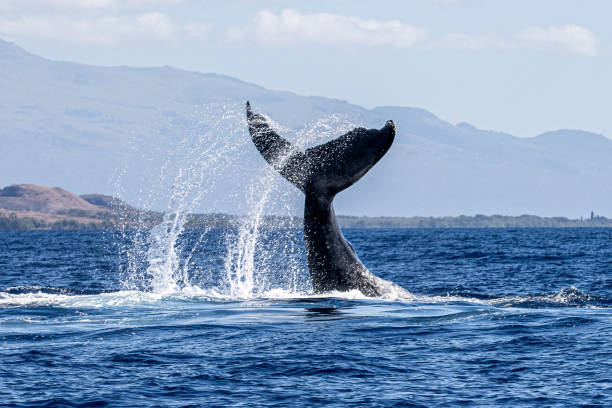
Every winter, the Auau Channel between Maui, Lanai, and Molokai becomes a nursery, highway, and stage. Humpback whales arrive from Alaska, traveling thousands of miles to mate, give birth, and nurse their young in warmer, sheltered waters. The season generally runs from November through May, with the most reliable sightings from January through March. Some whales arrive early, and a few linger into June, but the heart of the season is those bright winter months when spouts appear on the horizon and breaches interrupt the blue.
Why does Maui attract so many humpbacks? The islands create a protected leeward channel with calm water, and the Auau Channel offers shallow, warm conditions ideal for mothers and calves. Humpbacks do not feed much while in Hawaii. They live off fat reserves built in Alaska, so their time here is about reproduction, rest, and teaching young whales survival skills. You may see a mother resting at the surface while her calf practices breaching nearby. These animals are not performing for us. We are guests in their nursery.
If your dream trip centers on whales, aim for mid-January to mid-March. This is when the channel is busiest, though “busy” for whales means dozens of animals spread across miles, not a theme park. February often delivers peak numbers and dramatic behavior, including competition pods where males jostle near a female. December is a wonderful shoulder month if you prefer smaller crowds, and April still offers excellent sightings as mothers and calves prepare to head north. Weather can change quickly, so build flexibility into your plans. Whales do not follow a schedule.
Boat tours are the most popular way to get close. Lahaina, Maalaea, and Kihei are common harbors. Smaller vessels can be nimble and intimate, while catamarans offer stability and space. Look for operators that carry naturalists, use hydrophones so you can hear whale songs, and follow federal viewing guidelines. Morning trips often enjoy calmer seas and softer light. Sunset trips can be magical, but be honest about your tolerance for chop. If you are prone to seasickness, choose a larger boat, take medication before boarding, and stay outside.
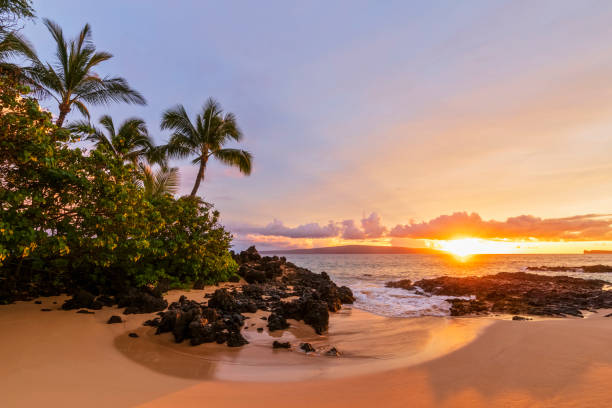
You do not need a boat to witness the season. Maui’s shoreline offers superb whale watching from December through April. McGregor Point and Papawai Point along the Honoapiilani Highway are classic overlooks, especially at sunrise. The Kihei, Wailea, and Makena coastlines provide long views across the channel. From Ka’anapali and Lahaina, scan the water between snorkeling sessions. Bring binoculars and patience. A spout looks like a puff of steam, a breach is sudden and explosive, and a tail slap can carry across the water. Early morning is often best because the wind has not yet picked up.
Wherever you watch, respect the rules. In Hawaiian waters, vessels and swimmers must keep a safe distance from humpbacks, and swimming with whales is prohibited. Mothers with calves need extra room. If a whale approaches your boat, put the engine in neutral and let the animal choose the interaction. Never chase, crowd, or cut off a whale’s path. Keep noise low, and avoid sudden movements that could stress the animals. These guidelines protect whales and make encounters more natural. A curious whale that swims beside a quiet boat is far more memorable than one being pursued.
Practical preparation makes a good trip great. Dress in layers, because mornings can be cool and breezy. Wear reef-safe sunscreen, a hat, and polarized sunglasses. Bring water, snacks, and a camera with a zoom lens, but do not spend the whole trip behind the viewfinder. Motion sickness medication works best when taken before you leave the dock. A light rain jacket helps when trade winds push spray across the deck. If you are traveling with children, choose a shorter tour. Whales are wild, and the best sightings often happen when you least expect them.
Conservation matters. North Pacific humpbacks were once hunted to the brink, but protection helped many recover. They still face ship strikes, entanglement, noise, and changing oceans. Choose responsible tours, keep your distance, and support local conservation. If you see an injured whale, report it. The goal is not just a great photo, but ensuring future generations can watch these animals return. Let the season shape your itinerary. Stay near the water and whale watch between adventures. Whether you are a frequent visitor or a first-time dreamer, the season offers a rare chance to witness wild giants. Go with patience and respect. The whales are already on their way.