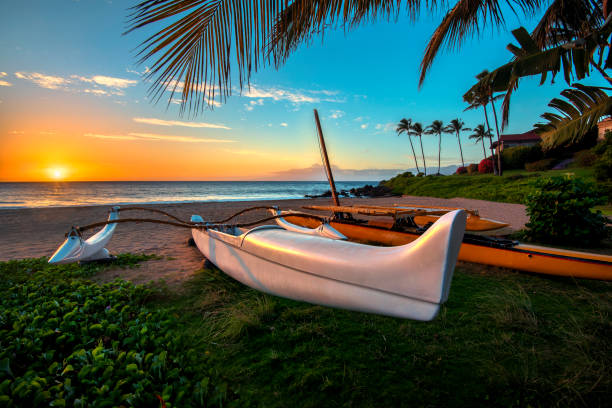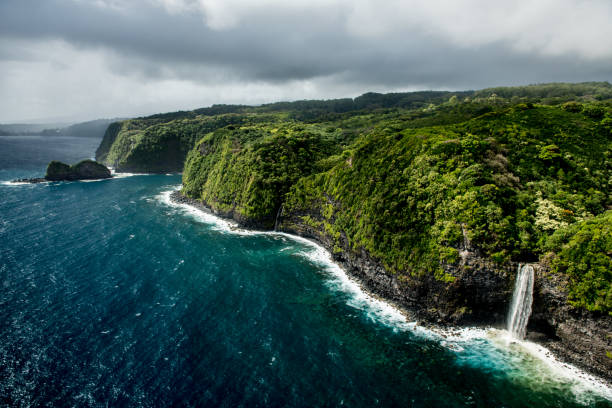
Maui may be famous for its beaches, waterfalls, and sunsets, but its character comes from the people who call it home. Understanding Maui’s population and demographics helps visitors move beyond a postcard image and into a richer appreciation of island life. With roughly 160,000 residents spread across beaches, ranches, small towns, and rural valleys, Maui is neither a tiny village nor a bustling city. It is a place with layers of history, a local rhythm, and a deep sense of community that travelers are lucky to experience.
Maui’s population is diverse, shaped by centuries of migration and cultural exchange. Native Hawaiians have cared for these islands for generations, and their traditions, language, and values remain central to island identity. Later waves of immigration brought Chinese, Japanese, Portuguese, Filipino, Puerto Rican, Korean, and other communities, drawn by sugar and pineapple plantations that once dominated Maui’s economy. That history is still visible in the foods people share, the festivals they celebrate, and the way cultures blend in everyday life. Today, Maui is a majority-minority community, with a mix of ethnic backgrounds reflected in everything from plate lunches to family names, churches, temples, and community events.
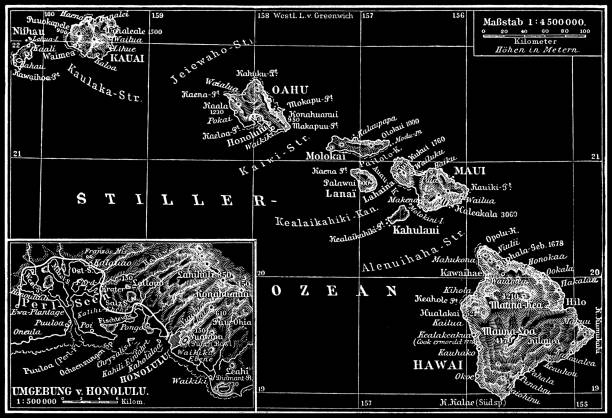
Where people live also tells a story. Central Maui, around Kahului and Wailuku, is the island’s civic and commercial hub, home to the airport, harbor, government offices, and many businesses. South Maui, including Kihei, Wailea, and Makena, draws residents and visitors with sunny beaches and resorts. West Maui, from Lahaina to Kapalua, has long been a tourism and history center, though recent wildfires have profoundly affected the community and its future. Upcountry Maui, along Haleakala’s slopes, includes Makawao, Pukalani, and Kula, where ranching, farming, and a cooler climate create a different pace. East Maui’s Hana remains one of Hawaii’s most isolated communities, connected by a famous winding road and sustained by a strong sense of place.
For travelers, demographics shape the experience of visiting. Maui is not simply a resort destination; it is a lived-in island with real responsibilities. Residents commute, raise families, pay bills, and protect natural and cultural sites. Traffic on narrow roads, limited parking at popular beaches, and early reservations for sunrise hikes are not inconveniences invented to frustrate tourists. They are signs of an island balancing community life with millions of annual visitors. When you plan a trip, patience is not just a virtue; it is part of traveling with respect.
Island life also runs on values visitors can learn from. Aloha is often translated as love, but it also means kindness, respect, and connection. Malama means to care for the land, ocean, or one another. Ohana reminds people that family extends beyond blood. Kuleana speaks to responsibility and privilege. These are not brochure slogans. They are practical guides for how to behave in a place where land and sea are precious. Travelers can honor them by supporting locally owned businesses, staying on trails, never touching turtles or coral, packing out trash, driving slowly, and asking permission before entering sacred or private areas.
Maui’s population is also young and old at once, with families, kupuna, and newcomers sharing the same small island. Housing costs are high, jobs are often tied to tourism, and many local families work more than one job to stay in the place they love. That reality can make casual visitor complaints about prices or slow service feel disconnected. A better approach is gratitude. When you buy from a local food truck, hire a Native Hawaiian-owned guide, attend a farmers market, or talk story with a shopkeeper, your trip becomes part of a larger exchange rather than a one-way transaction.
Planning a Maui trip with population and island life in mind can transform your experience. You will still snorkel at Molokini, drive the Road to Hana, and watch the sunset from Haleakala. But you will also notice communities between landmarks. You will understand why a small town may close early, why a beach park is a neighborhood gathering place, and why respecting local customs matters. Maui’s beauty is not just in its landscapes. It is in its people, their history, and their enduring connection to the island. Travel with curiosity, humility, and aloha, and you will be welcomed as a guest.