Maui’s shoreline is a living edge where the island meets the Pacific. Shore fishing here is not just a way to catch dinner; it is a slow, salty meditation that puts you close to the rhythm of the tides. You do not need a charter boat or a captain to experience it. A simple rod, a small tackle box, and a willingness to watch the water can open a day of discovery from Kihei to Hana and around West Maui.
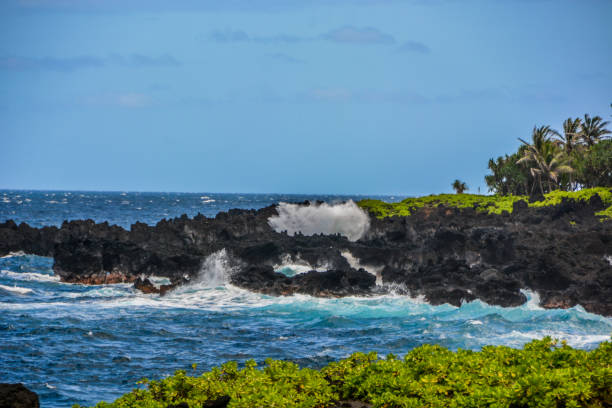
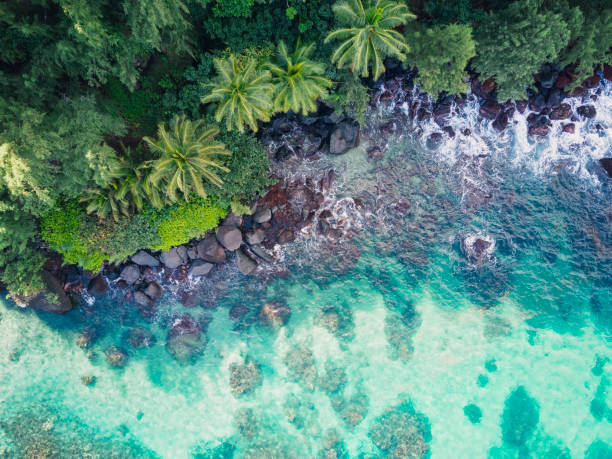
The island’s shore fishing grounds are wonderfully varied. Sandy beaches like Kihei and Lahaina are forgiving places to start. Rocky points and lava ledges near Makena, Kahana, and the rugged east side offer deeper water and bigger opportunities, but they demand respect. Harbors and piers, including Maalaea and Kahului, provide easier access and a chance to learn from local anglers who know how the current moves. Each spot has its own personality, and part of the fun is reading the shoreline and deciding where fish might be feeding.
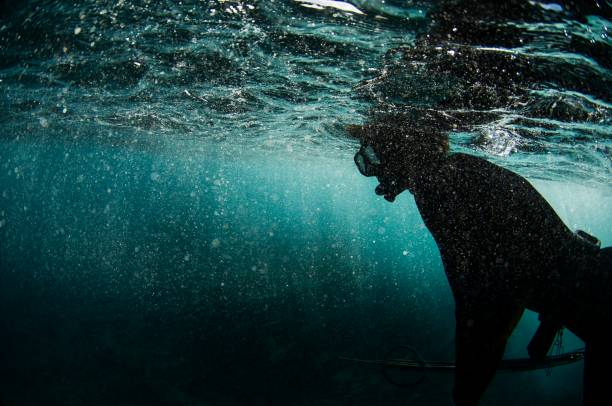
Maui’s inshore waters hold a surprising mix of species. Papio, the young of the ulua or giant trevally, are a favorite target for shore anglers because they fight hard and strike aggressively. Larger ulua patrol rocky ledges and can test heavy tackle. Oio, or bonefish, ghost across shallow flats and are prized by fly anglers and bait fishers alike. Moi often hangs near sandy patches and reef edges. You might also encounter awa, nenue, and goatfish. Each has its own habits, seasons, and regulations, so learning what swims in front of you is part of the challenge.
Timing matters as much as location. The hours around dawn and dusk are often best, when fish move in to feed under lower light. Tides can turn a quiet stretch of beach into a highway for hungry predators. A rising tide often brings fish closer to shore, while a falling tide can concentrate them in channels and holes. Moon phase, water clarity, and swell all play a role. Local anglers watch the ocean constantly, not just their lines. If you see birds working, baitfish scattering, or water boiling over a reef, that is a sign to cast.
Gear for shore fishing in Maui can be simple or specialized. A medium to medium-heavy spinning rod paired with twenty- to thirty-pound line handles most situations. Bring extra leaders, because lava rock is unforgiving. Circle hooks, sliding sinkers, and swivels are useful for bait fishing. Shrimp, squid, cut bait, and sand crabs are reliable baits, while artificial lures such as grubs, poppers, and jigs can draw strikes from papio, moi, and other predators. For oio on the flats, a fly rod or light spinning gear with small shrimp or crab patterns can be pure joy.
Safety should never be an afterthought. The same ocean that makes Maui magical can also be powerful. Never turn your back on the waves, especially on lava rock ledges. Wear shoes with good grip, consider a life jacket in exposed areas, and fish with a buddy. Check the swell forecast and be willing to walk away if conditions look dangerous. Respect local fishermen and their space, and keep your distance from spawning areas. Leave the shoreline cleaner than you found it.
Regulations are another important part of responsible shore fishing. Hawaii generally does not require a marine recreational fishing license for shore fishing, but there are size limits, bag limits, closed seasons, and protected areas. Some fish, like certain ulua and parrotfish, have specific rules. Before you cast, check the latest Hawaii Division of Aquatic Resources guidelines and any signage at the beach or harbor. If you are unsure about a fish, release it carefully. A quick photo can be enough, and the fish lives to fight another day.
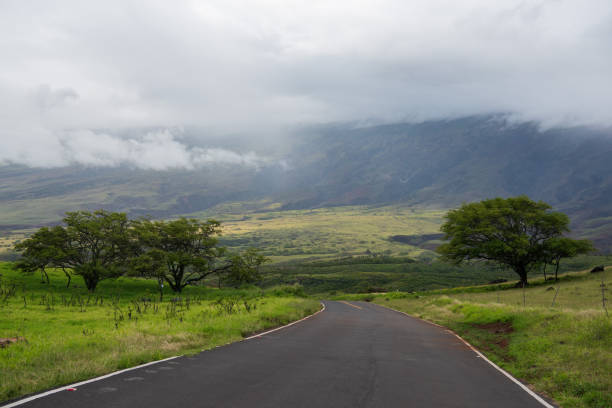
For travelers who dream of Maui, shore fishing offers an intimate way to meet the island. You might not land a trophy, but you will feel the trade winds, watch the sunrise paint Haleakala, and share a nod with a local angler. Adventure does not always require a boat. Sometimes it begins with bare feet on warm sand, a line arcing into the blue, and the quiet hope that something wild is about to tug back.