Maui’s surf map is not one map. It is a shifting puzzle of swell direction, wind, tide, and season. A break that is playful in July can be a washing machine in December, and a stretch of coast that looks flat in winter may be the best place to learn in summer. The key is to match your ability and the season to the right shoreline.
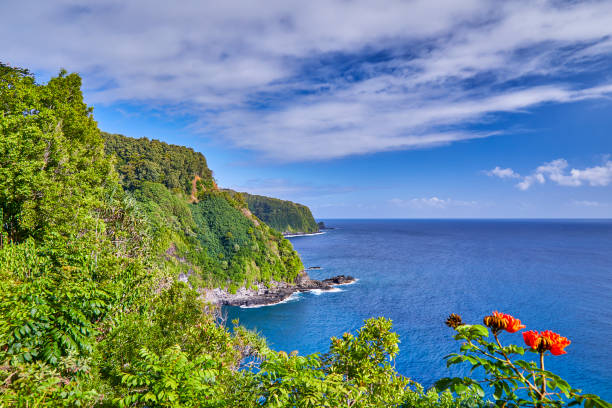
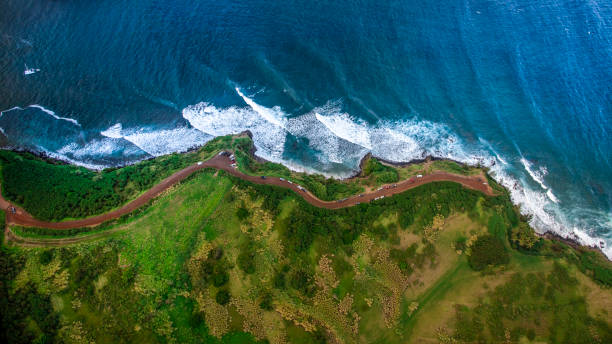
Winter belongs to the north and west shores. From November through March, powerful North Pacific storms send long-period swells toward Maui’s north-facing coast. This is when Peahi, often called Jaws, awakens. It is not a beginner’s wave, or even an average expert’s wave. It is a tow-in and big-wave arena, watched from the cliffs by those who respect its danger. A safer but still serious option is Honolua Bay, a world-class right-hand point break that can offer long, hollow rides when the swell and wind cooperate. It is local, reef-heavy, and not the place to paddle out without solid experience. Hookipa is another winter heavyweight, famous for windsurfing and surfing, with strong currents and tight takeoff zones. For skilled surfers, winter is about patience, paddling power, and knowing when to watch rather than go. For everyone else, the protected Lahaina side and the south shore can offer smaller, more manageable waves, though north swell wrap can still create surprise sets.
Spring is a season of two coasts. April and May often bring leftover north swells, cleaner mornings, and the first significant south swells from storms near New Zealand and the Southern Ocean. On the north shore, Hookipa and Honolua may still fire, but the crowd thins and the wind becomes more variable. On the south shore, Kihei and Wailea begin to wake up. This is a lovely time for intermediate surfers who can read a lineup but want fewer hazards. The water is warming, the trades are not yet at full summer strength, and dawn patrol can deliver glassy waves before the afternoon chop. Spring is also a smart time to book a lesson, because the south shore often has gentle rollers ideal for longboarding and first-time takeoffs.
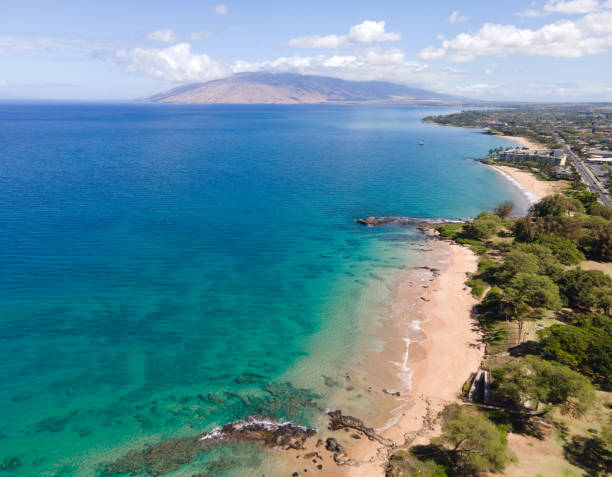
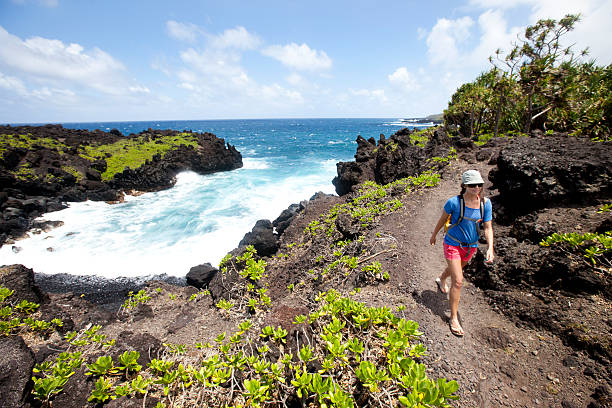
Summer transforms Maui into a south-shore playground. From June through August, Southern Hemisphere storms send consistent south swells to Maui’s south-facing beaches. The Cove at Kalama Beach Park in Kihei becomes a busy, friendly learning zone, with longboards, foam boards, and instructors sharing the lineup. Nearby Charley Young Beach and Kamaole beaches offer smaller waves and easy access. Wailea and Makena can be more serious, especially at Big Beach, where shorebreak can slam even experienced surfers. Further south, La Perouse is for expert surfers only, with sharp lava, strong currents, and no easy rescue. On the west side, Lahaina and Olowalu can pick up summer swell, offering mellow longboard waves on the right tide. Summer is also the time to respect the reef. Many south shore breaks are shallow, and low tide can turn a fun wave into a coral hazard.
Summer on the north shore is a different story. The big winter waves disappear, leaving smaller, softer surf that is perfect for longboarding, stand-up paddling, and beginners. Kanaha and Kihei are popular for lessons, while surfers who simply want to glide can find gentle lines at Puamana or Lahaina Harbor. The trade winds are strong, so early morning is almost always better. By noon, the ocean can be textured and choppy, and the best plan may be a snorkel, a shave ice, or a nap under a palm tree.
Fall is Maui’s quiet secret. September and October often blend lingering south swells with the first north swells of the new season. The crowds are smaller, the water is warm, and both coasts can have something to ride. A morning at Kihei might offer waist-high south shore waves, while a late October north swell could light up Hookipa or Honolua. Hurricane season can also bring unusual swell and dangerous weather, so check forecasts carefully. Fall rewards flexibility: if one coast is flat or windy, the other may be working.
No matter the season, a few habits make a Maui surf trip better. Surf early, because trade winds usually build by mid-morning. Check tide and reef before paddling out. Never turn your back on the ocean. Respect local surfers, wait your turn, and don’t paddle through the lineup. If you are unsure, hire a guide or take a lesson. Maui’s waves are a gift, but they are also powerful. The right season and the right break can turn a dream trip into a lifelong memory.