Haleakala rises from the Pacific as one of Maui’s defining presences, a broad shield volcano whose summit often floats above the clouds. From the coastal towns, it looks like a gentle ridge. Up close, it is a world of cinder cones, lava flows, ash fields, and deep valleys. For hikers and nature lovers, understanding its volcanic geology is not just a science lesson. It is the key to reading the trails, choosing the right route, and feeling the island’s ancient forces with every step.
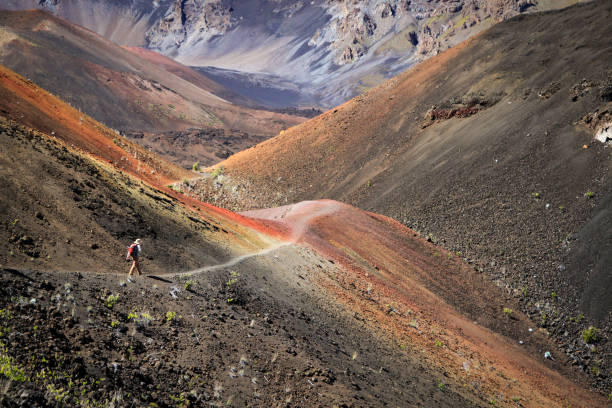
The summit depression many visitors call Haleakala Crater is not a single explosive crater. It is a vast erosional basin, later decorated by younger volcanic vents. Wind, rain, and ancient streams carved into the summit, while subsequent eruptions dropped cinder cones onto the floor. That layered story is why the landscape feels both open and intimate. You can stand on a rim, look across a field of red and black cones, and see where lava once pooled or piled into spatter. The colors shift with the sun: rust, ochre, charcoal, olive. For a hiker, this is a place to move slowly and look closely, because every ridge and hollow has a volcanic reason for being there.
The most famous trail into this high-altitude world is Sliding Sands, which begins near the summit visitor area and descends through cinder and ash. The name is honest. The ground can be loose, soft, and surprisingly deep, so each step down asks for attention. On the way back up, the thin air reminds you that you are above ten thousand feet. Yet the reward is extraordinary: silvery silverswords, volcanic bombs, and cinder cones that rise like cones of sand. Because the geology is so exposed, you can see how eruptions built the surface layer by layer. There are few places where the bones of a volcano are so easy to read.
Other routes tell different parts of the story. Halemau’u Trail traverses the rim and drops into the crater floor, offering views of the Ko’olau Gap and the lush windward side of the mountain. The contrast is pure Maui: barren volcanic rock on one side, rainforest and waterfalls on the other. The volcanic soil here is rich in minerals, and where rain reaches it, life takes hold quickly. Native plants like ’ahinahina, or silversword, have adapted to the harsh summit, while lower slopes support koa and ’ohi’a. Hiking through these zones feels like passing through chapters of the island’s natural history.
Lava tubes add another dimension. These tunnel-like formations were created when the outer edges of a lava flow cooled and hardened while molten rock continued to drain beneath. In areas like Hana and along the Hana Highway, you can walk through cool, dark passages that once carried rivers of fire. The ceilings may be smooth or cracked, and the walls often show flow lines and drip marks. For travelers, a lava tube is a reminder that Maui’s surface is a thin skin over a restless past. It also offers a welcome contrast to the sunbaked summit and makes a memorable stop on a road trip.
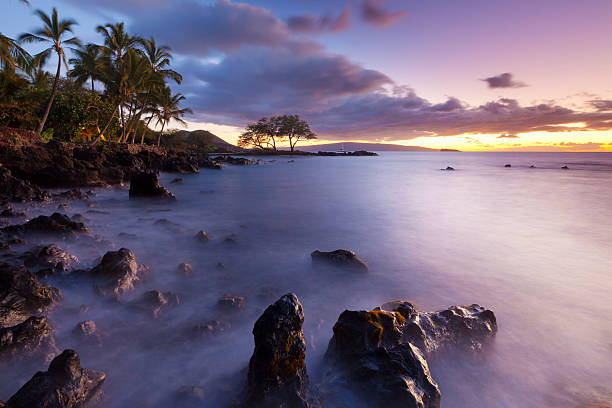
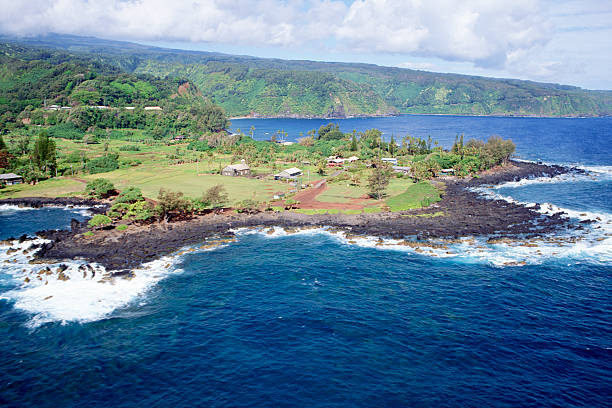
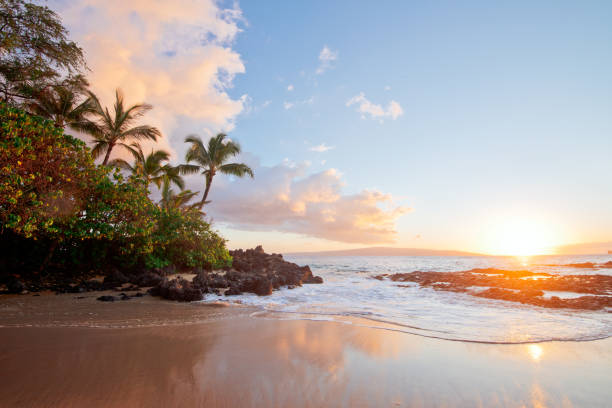
Volcanic landforms also shape the coast. Black sand beaches, lava cliffs, and rocky tide pools are the direct result of lava meeting the ocean. At Wai’anapanapa, the black sand and sea arches are dramatic evidence of recent flows and wave erosion. Along the rugged south coast, a’a lava creates sharp, jagged fields, while pahoehoe lava can look like folded satin. Hikers who explore these areas should wear sturdy shoes and respect closed trails. The same sharp rock that makes the scenery so striking can be unforgiving. Yet with care, the coast becomes a geologic classroom where you can touch the island’s youngest landscapes.
Planning a hike around Haleakala means planning for change. Weather can shift from bright sun to cold mist within minutes. Altitude affects energy and breathing. Loose cinder, sharp lava, and uneven ground demand good footwear and plenty of water. Sunrise and sunset are famous, but midday can be intense at the summit. If you are dreaming of Maui, consider giving the volcano more than a quick photo stop. A half-day hike or a full traverse can turn a scenic overlook into a personal encounter with volcanic time. The island’s beauty is not only in its beaches and palm trees. It is also in the raw, sculpted, still-unfinished work of Haleakala.