Haleakala is more than a sunrise destination.
Haleakala rises from the Pacific as one of Maui’s defining presences, a broad shield volcano whose summit often floats above the clouds.
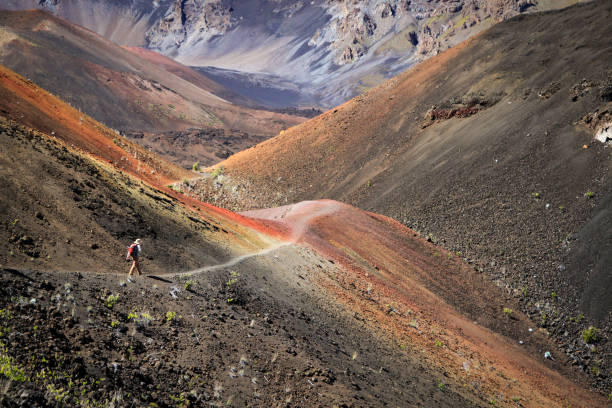
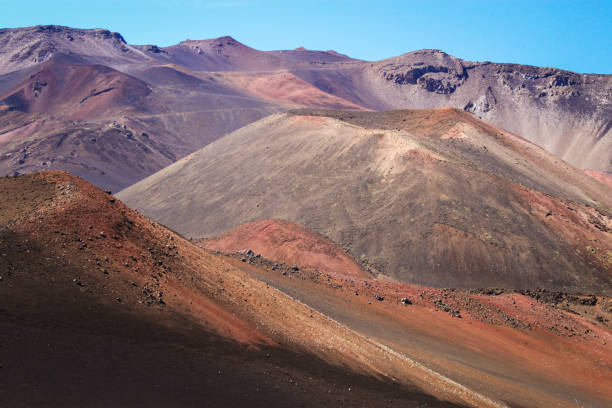
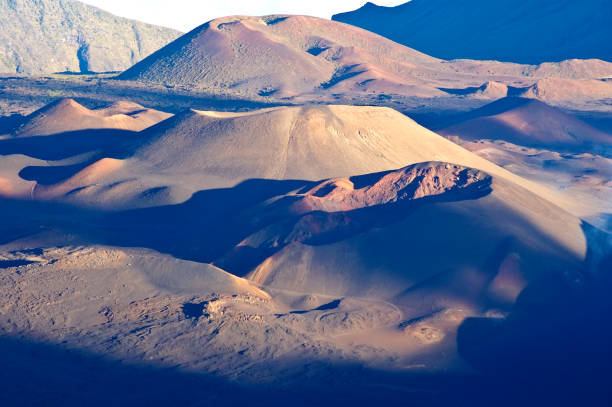
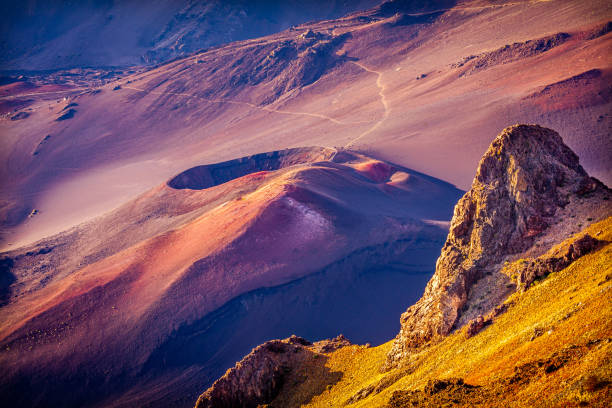
Haleakala is often called a crater, but that single word barely hints at the complexity of its summit.
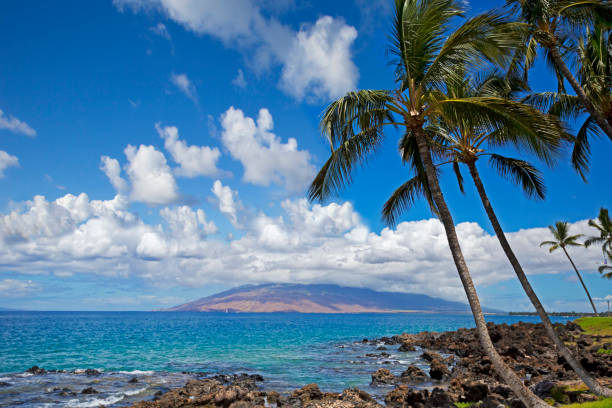
Maui is an island built by fire, and Haleakala is its most dramatic display.
Haleakala is not a single peak but a shield volcano, a broad dome built by countless lava flows.
Haleakala is often described as a dormant volcano, but the word dormant can make it sound sleepy, almost retired.
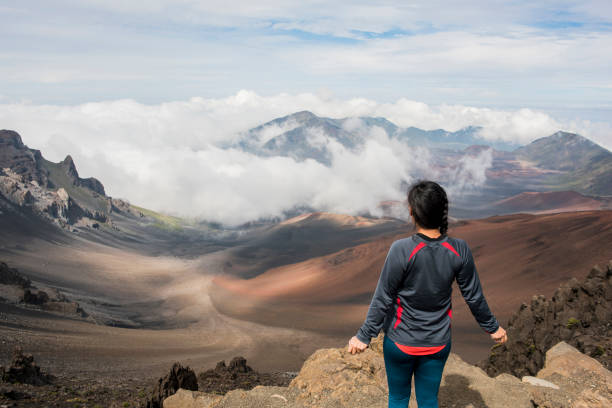
At sunrise, Haleakala feels like a world apart: cold wind, volcanic rock, and a horizon stretching beyond Maui.
The summit of Haleakalā feels like another world.
Haleakala means “house of the sun,” and nowhere does that name feel more real than when you stand on the crater rim at dawn.
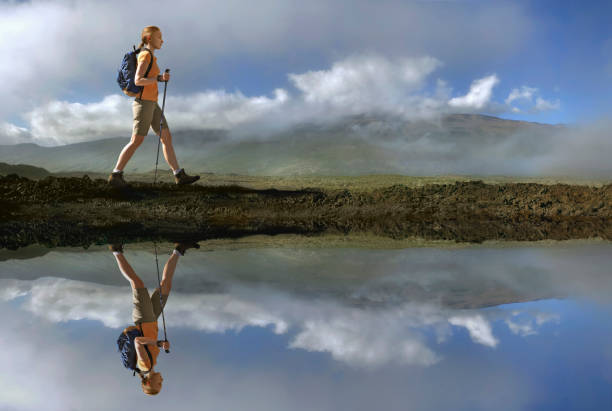
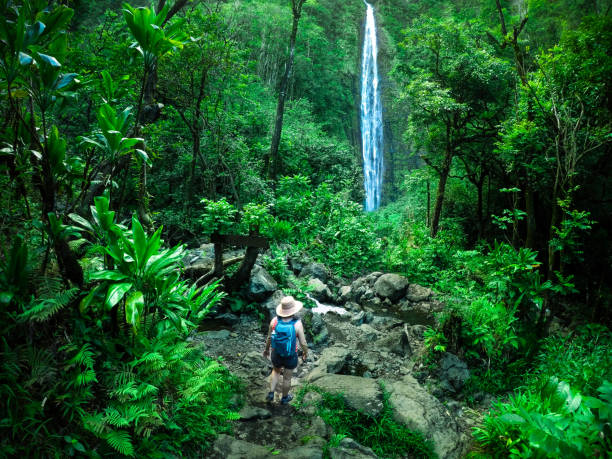
The Road to Hana is often described as the journey rather than the destination, but the real magic begins when you step onto a trail.
Maui’s native plants are not simply background scenery.
Haleakala is often imagined as a barren volcanic summit, a place of sunrise crowds and sweeping cinder deserts.