Lahaina is not just a pretty port town on Maui’s west coast. It is a place of deep history, where Hawaiian royalty once walked, where missionaries arrived, where whaling ships anchored, and where generations of families built lives around the sea and the land. In August 2023, devastating wildfires tore through the town, leaving loss that words cannot fully hold. The Lahaina that visitors knew changed in ways that continue to unfold. Today, as recovery moves forward in stages, travelers face an important question: how can we visit with respect, compassion, and genuine support rather than curiosity or intrusion?
The first step is to remember that Lahaina is a community before it is a destination. People are grieving, rebuilding, and trying to find a new normal. Respectful visiting begins with restraint. Do not drive into burn zones or areas marked closed. Do not stop on the roadside to photograph destruction. Do not treat someone’s loss as a backdrop for your vacation album. Barricades and signs are not suggestions; they protect health, safety, and privacy. If you are unsure whether a place is open, ask locally or check official county and state updates before you go.
Respect also means listening. Residents may want to talk about what happened, or they may not. Follow their lead. A simple, sincere acknowledgment can mean more than a flood of questions. “I’m glad you’re here” or “I’m sorry for what your community has been through” may open a door, but only if it is offered gently. Avoid asking people to relive trauma for your understanding. Instead, learn the history of Lahaina through museums, cultural centers, books, and guided experiences led by people who know the place deeply.
One of the most meaningful ways to support recovery is to spend money locally and thoughtfully. Stay in West Maui if you can, dine at locally owned restaurants, book activities with small businesses, and buy art, crafts, and provisions from Lahaina and nearby towns like Kaanapali, Napili, and Kapalua. Every table filled, every tour booked, and every shop visited can help keep paychecks flowing and families rooted. But do so with patience. Recovery is not linear. Some businesses have reopened, others are still rebuilding, and staffing may be tight. Kindness with service workers goes a long way.
Lahaina’s cultural significance asks for a special kind of awareness. This is a wahi pana, a legendary and sacred place. Moku‘ula, the former royal fishpond and island, and other sites carry stories that stretch back centuries. When you visit cultural sites, follow posted rules, stay on trails, and never remove stones, sand, or artifacts. If you join a cultural demonstration, give it your full attention. Hula is not simply entertainment; it is a living archive of history, genealogy, and emotion. Approach it with the respect you would give any sacred practice.
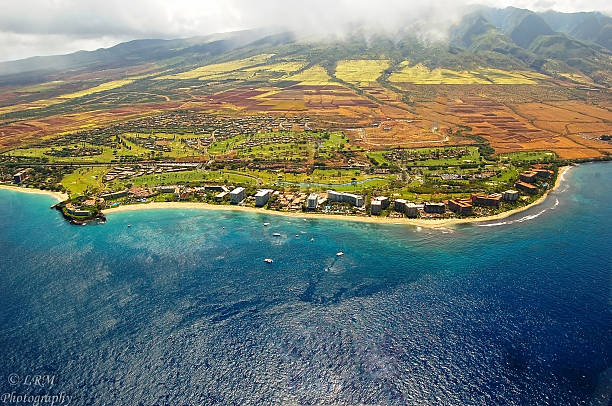
Scenic drives are another way to experience West Maui, but they require care. The Honoapiilani Highway connects Lahaina with Kaanapali, Napili, and Kapalua, offering ocean views and access to beaches. The Kahekili Highway, which winds around the northern coast, is narrow, steep, and sometimes intimidating. It is not a racecourse or a photo-op free-for-all. Pull over only at safe turnouts, never block a resident’s driveway, and yield to local traffic. If a road is closed or a beach access is limited, accept it. The island’s beauty does not entitle anyone to ignore its boundaries.
There is also a practical side to respectful visiting. West Maui faces ongoing challenges with housing, infrastructure, and emergency resources. Visitors can help by being self-sufficient, packing out trash, conserving water, and avoiding unnecessary demands on strained services. Consider traveling during quieter seasons, and if you volunteer, do it through organized, community-led efforts rather than showing up unannounced. Donations are most effective when given to trusted organizations with deep local ties.
Lahaina’s recovery is not a spectacle to consume. It is a long act of love, labor, and resilience. The travelers who help most are those who come with open hearts, flexible plans, and a willingness to follow the community’s lead. They understand that supporting Lahaina means honoring its past, respecting its present, and helping its future take root. When you visit West Maui, let aloha be more than a word. Let it be the way you drive, the way you spend, the way you listen, and the way you leave.