There is a moment on Maui when the trade winds pause, the sun sits low over the West Maui Mountains, and the ocean turns to liquid glass. A longboarder paddles into a waist-high roller at Launiupoko, rises slowly, and cross-steps toward the nose. Nothing is rushed. The wave is not attacked; it is invited. That is the heart of longboarding and classic surf style on Maui—a graceful, old-school approach to riding waves that values glide, balance, and respect over radical maneuvers.
Longboarding came to Hawaiʻi long before shortboards, leashless wipeouts, and aerial surfing. The ancient Hawaiian boards were heavy, wooden, and shaped for riding swells with intention. On Maui, that lineage lives in the slow dance of a single-fin log trimming across a reef break. Classic style means walking the board, hanging five or ten toes over the nose, and using the wave’s energy rather than forcing your own. A good longboarder can make a small wave look like a long journey, linking sections with smooth footwork and quiet confidence.
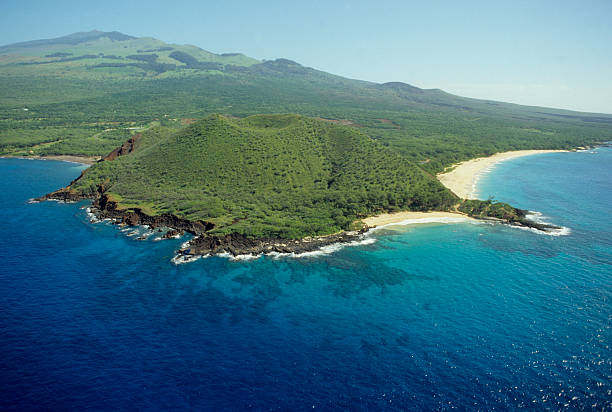
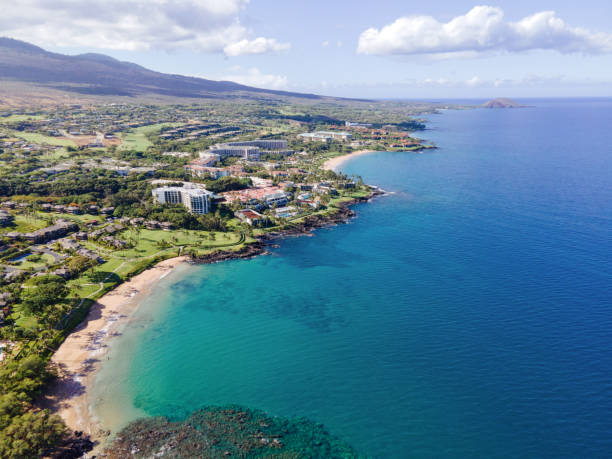
Maui’s geography makes it a natural classroom. The island’s south and west shores often offer gentler, longer waves in summer, ideal for logs. Spots like Launiupoko, Ukumehame, and Olowalu provide mellow reef breaks where beginners can learn to paddle and glide, while more experienced riders can practice noseriding and trimming. On bigger winter days, longboarders often seek protected corners or simply watch the north shore’s power from the sand, because classic style is not about proving yourself in heavy surf. It is about matching the wave in front of you.
The equipment tells its own story. A classic longboard is usually nine to ten feet or more, with a single fin, soft rails, and enough volume to paddle easily and catch waves early. It is not designed for quick pivots and vertical snaps. It is designed for flow. The board teaches patience. On Maui, you will see everything from vintage-inspired logs to modern high-performance longboards, but the best rides often come from riders who understand that less is more. A well-timed trim can feel more thrilling than a dozen frantic turns.
Surf culture on Maui is rooted in respect. Longboarding carries that responsibility perhaps more visibly than any other discipline. Because longboards catch waves early, they can dominate a lineup if ridden selfishly. The classic style includes etiquette: wait your turn, paddle wide of the peak, don’t drop in, and share the wave. When a local elder paddles out, give them space. Aloha in the water is not a slogan; it is the way the lineup works. The reward is a session that feels less like a competition and more like a community.
For travelers dreaming of Maui, longboarding offers an accessible entry into surf culture. You do not need to be young or fearless. You need to be willing to learn ocean safety, start on small days, and take a lesson from a reputable local instructor. Many visitors begin in the gentle waves of the south shore, surprised by how much fun a tiny wave can be when ridden with style.
The classic surf style is also a visual gift. From the beach, a longboarder in trim looks like part of the wave itself. The board glides, the rider’s arms open like wings, and the spray curls behind. It is the image many people carry in their minds when they think of surfing in Hawaiʻi: not just performance, but poetry. Maui preserves that image in the early morning glass at Launiupoko, in the quiet nod between strangers after a perfect set.
If you come to Maui, make time to watch the longboarders. Better yet, try it. Rent a soft-top log, take a lesson, and spend an hour learning to paddle without rushing. You may not hang ten on your first day. But you will feel the glide, and that is the beginning. Longboarding is a reminder that surfing is not only a sport but a way of moving with the world. On Maui, where the mountains meet the sea and the trade winds shape the day, classic surf style still keeps that old rhythm alive.