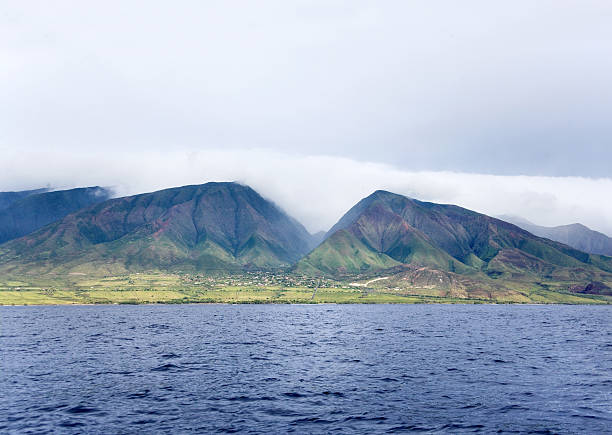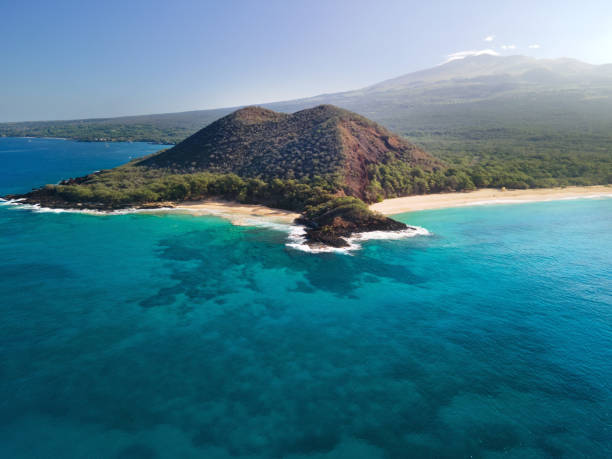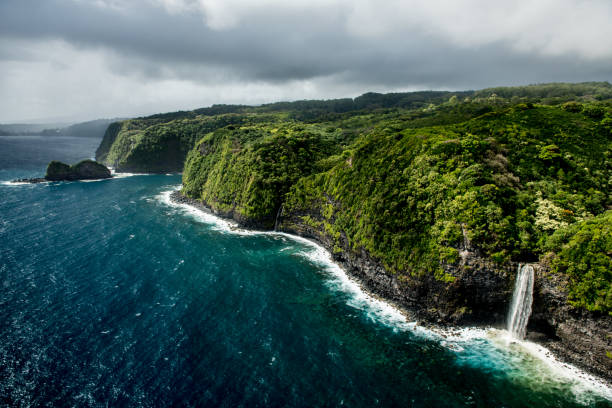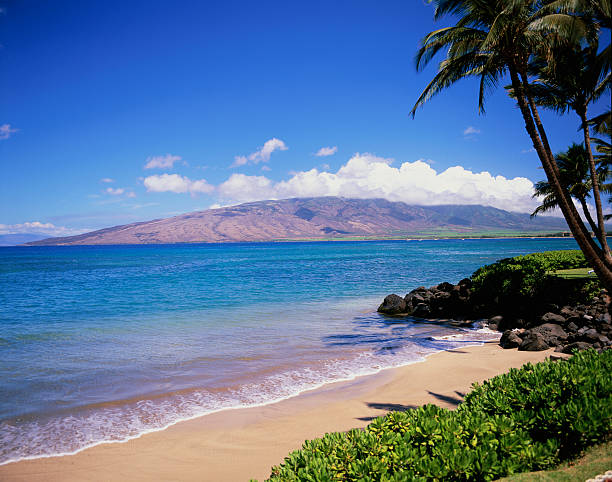
Maui’s ocean is more than a backdrop to a vacation. It is a living invitation to step off the sand into another rhythm. From the sheltered coves of West Maui to the sunlit waters off Kihei and Makena, three human-powered craft open the island in ways a boat or car never can. Kayaks slip quietly over coral gardens. Stand-up paddleboards turn a calm morning into floating meditation. Outrigger canoes connect you to Polynesian voyaging traditions that first brought people to these islands. Together, they make Maui’s blue spaces feel personal and alive.
Kayaking on Maui can be as easy or ambitious as you like. Beginners launch from Makena Landing, where the water is gentle and the coastline is packed with sea turtles, reef fish, and eagle rays. A guided tour to Turtle Town or Molokini Crater adds local knowledge, safety support, and stories about the volcanic forces that shaped the island. Olowalu is another favorite, with a long, shallow reef that rewards slow paddling. On the west side, Honolua Bay offers incredible clarity when conditions allow, though it is best left to confident paddlers or guided groups because the coast can be exposed to swell. Early morning is the magic hour. Trade winds build by late morning, so plan to be on the water at sunrise for the postcard version of Maui.
Paddleboarding is the most accessible and versatile of the three. On a calm day in Kihei, you can glide past Kamaole beaches with the West Maui Mountains floating behind you. Lahaina and Ka’anapali offer easy launching and rental shops, while Wailea and Makena provide gentler entries. If you have never stood on a board, a one-hour lesson can be enough; keep your eyes on the horizon, bend your knees, and accept that falling in is part of the fun. Experienced paddlers can join downwind runs, surf small waves, or practice yoga on a board in a protected bay. Because paddleboards are quiet and stable, they are wonderful for spotting turtles, manta rays, dolphins, and, in winter, humpback whales from a respectful distance.
Outrigger canoeing may be the most meaningful way to experience Maui’s water. These sleek canoes are descendants of the vessels that carried Polynesian explorers across the Pacific. Paddling a six-person canoe demands teamwork, timing, and attention. When everyone catches the same stroke, the canoe seems to lift and fly. Guided cultural tours in Ka’anapali, Lahaina, and Wailea often include Hawaiian history, chants, and the canoe’s role in daily life and voyaging. Some clubs welcome visitors for practice paddles, while resorts and tour companies offer shorter outings suitable for families. Winter whale season makes these trips memorable, but even a calm summer paddle can feel ceremonial when the sun rises over Haleakala and the water turns to gold.
Planning matters. Check ocean conditions, wind forecasts, and advisories before you go. Morning is usually calmest; afternoon trade winds can make the return trip harder. Wear reef-safe sunscreen, a rash guard, and a hat, and bring more water than you think you need. A dry bag, waterproof phone pouch, and secure sunglasses strap prevent big frustrations. Always use a leash where appropriate, wear a life jacket when required, and never paddle alone in unfamiliar water. If you are new to the ocean, book a guide. Local instructors know which channels, reefs, and shorebreaks are safe each day.
Respect for wildlife is non-negotiable. Give sea turtles space, never chase dolphins or whales, and keep distance from monk seals on shore. Coral is fragile, so avoid standing on it or dragging equipment across it. The ocean is not a theme park; it is a shared home. By paddling lightly, you protect the beauty that drew you to Maui.
Whether you choose a kayak, a paddleboard, or an outrigger canoe, the result is the same: a new perspective on Maui. You see the island from the water, where the mountains look taller, the sky feels wider, and every stroke carries you deeper into the aloha of the place. The best memories may not be the biggest waves or fastest runs, but the quiet moments between strokes, when a turtle glides beneath you and the Pacific seems to breathe with your paddle.