Maui may look small on a map, but the island has wildly different personalities depending on where you lay your head. Choosing your region is not just about finding a hotel or condo. It shapes how you spend your mornings, how far you drive for dinner, whether you wake to trade winds or misty mountain air, and how easily you can chase the activities you came for. The right base can make a good trip unforgettable. The wrong one can leave you spending too much time in the car or wishing you were somewhere else.
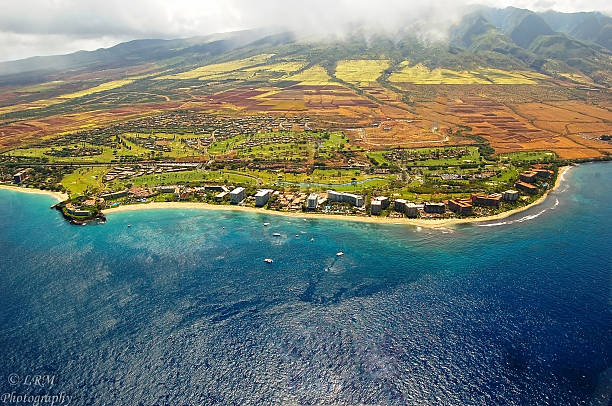
West Maui is often the first region people imagine. Kaanapali, Napili, and Kapalua offer resorts, condos, golf, and some of the island’s most reliable sunsets. The beaches here are excellent for swimming, snorkeling, and paddleboarding, and there is no shortage of restaurants and shops. Lahaina continues its careful recovery, and visitors should be respectful of that process. West Maui suits travelers who want a classic resort experience, easy beach days, and plenty of amenities within a short drive. The trade-off is that getting to Upcountry, Hana, or even parts of South Maui can take longer than expected.
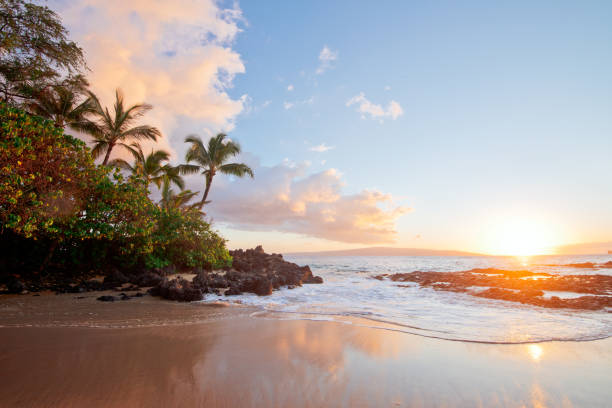
South Maui, including Kihei, Wailea, and Makena, is another favorite for good reason. This side of the island is sunny, dry, and exceptionally beach-friendly. Kihei offers a relaxed, casual vibe with condos, local eateries, and easy access to coves and long sandy stretches. Wailea brings luxury resorts, manicured paths, and championship golf. Families often love South Maui because the water is calm, the evenings are walkable in resort areas, and grocery stores and conveniences are close. If your ideal Maui day is swimming, snorkeling, and watching the sun sink into the Pacific without much fuss, South Maui may be your best fit.
The North Shore feels different immediately. Paia, Haiku, Spreckelsville, and Kuau are greener, windier, and more laid-back. Paia is a lively small town with cafes, surf shops, and a bohemian spirit. Haiku feels lush and residential, with vacation rentals tucked into rainforest and farmland. This region is a dream for windsurfers, kitesurfers, surfers, and travelers who prefer local rhythms over resort polish. It is also convenient for the Road to Hana and the airport. The trade-off is rain, wind, and fewer sandy swimming beaches than the south or west. If you love adventure and don’t mind a little mud on your shoes, the North Shore is magical.
Upcountry Maui is the island’s cool, elevated escape. Kula, Makawao, Pukalani, and nearby rural areas offer farms, ranches, protea gardens, and sweeping views across the valley. Mornings can be crisp, evenings can be chilly, and the pace is wonderfully slow. You will find bed-and-breakfasts, cottages, and small inns rather than big resorts. Upcountry is ideal for hikers, cyclists, stargazers, and anyone who wants to wake up to eucalyptus and coffee rather than poolside music. Just remember that beach days require a drive down the mountain, and winding roads are part of daily life.
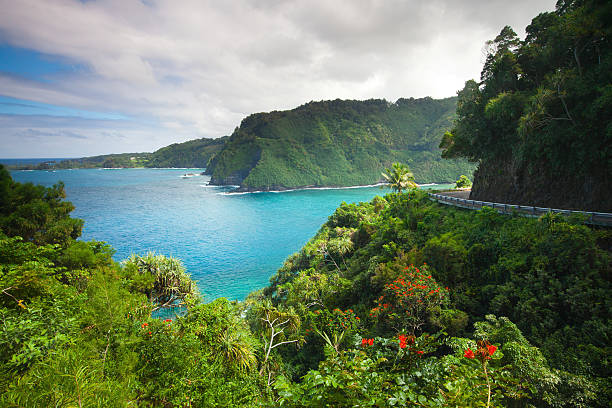
East Maui and Hana are for travelers who want remoteness and raw beauty. Hana is a small town surrounded by rainforest, waterfalls, and rugged coastline. Staying overnight here changes the Road to Hana from a rushed day trip into a deeper experience. You can swim in freshwater pools, hike to secret beaches, and feel the island’s ancient spirit. Services are limited, cell reception can be spotty, and nightlife is essentially nonexistent. That is exactly the point. Hana suits adventurers, romantics, and anyone who wants to disconnect.
Central Maui, including Kahului and Wailuku, is practical rather than postcard-perfect. It is close to the airport, hospitals, stores, and some of the island’s best local food. If you have an early flight, a tight budget, or plan to explore every corner of Maui, a central base can work well. It lacks the resort feel and beachfront glamour, but it puts you within reasonable driving distance of nearly everything.
Ultimately, the best region depends on your travel style. Choose West Maui for resorts and sunsets, South Maui for beaches and convenience, the North Shore for surf and local flavor, Upcountry for cool air and solitude, Hana for rainforest immersion, or Central Maui for practicality. Consider a split stay if you have the time. Start with a few nights in one region and finish in another. No matter where you choose, Maui will reward you for planning with aloha, patience, and a willingness to explore beyond your lanai.