A Maui luau is far more than a dinner show. It is an invitation to step into Hawaiian culture through music, dance, food, and story. As the sun sinks toward the Pacific, guests gather under the open sky, often greeted with a fragrant lei. From that first moment, you understand the evening is not simply about eating; it is about celebrating aloha. For first-time visitors and longtime Maui lovers alike, a luau can be one of the most memorable nights of a trip.
Most Maui luaus last around three hours, beginning in the late afternoon and ending after dark. Check-in usually opens before sunset, giving you time to find your table, visit the bar, and watch the sunset. Dress in comfortable aloha attire: a loose dress, collared shirt, or nice shorts and sandals are perfect. Bring a light layer for breezy evenings. Many luaus include an open bar with mai tais, tropical cocktails, beer, wine, and nonalcoholic fruit punches. Sip slowly, because the food and performances deserve your full attention.
The centerpiece of many Hawaiian luaus is the imu, an underground oven heated with volcanic stones. Before dinner, you may witness the unearthing of the kalua pig, slow-roasted for hours until smoky, tender, and rich. The ceremony reminds you that Hawaiian cooking is tied to land, fire, and community. As the pig is lifted from the earth, steam rises and the aroma drifts across the crowd. The feast is about to begin.
And what a feast it is. Traditional dishes often include kalua pork, lomi lomi salmon, poi, poke, chicken long rice, laulau, fresh island fish, sweet potatoes, and haupia, a silky coconut dessert. Poi, made from taro, is mild and slightly tangy; try a small spoonful with salty pork. Poke may be seasoned with soy sauce, sesame, and onions. Laulau wraps pork, fish, or chicken in taro leaves and steams it until everything is soft and savory. If you have dietary restrictions, ask ahead, as many luaus can accommodate vegetarian, gluten-free, or allergy needs with notice. Take small portions on your first pass, then return for favorites. Save room for coconut cake and fresh pineapple.
Then the entertainment begins, and this is where a luau becomes unforgettable. Hula is not just dancing; it is storytelling. Every movement of the hands, the sway of the hips, and the expression on the dancer’s face can represent wind, rain, mountains, ocean, or a legendary chief. Chants and songs carry history across generations. You may also see dances from Tahiti, Samoa, and New Zealand, reflecting Polynesia’s wider voyaging heritage. The music is live, the drums are heartbeat-loud, and the fire knife dance finale brings gasps from every table. The performer spins a flaming blade with speed and control, a breathtaking skill rooted in tradition and showmanship.
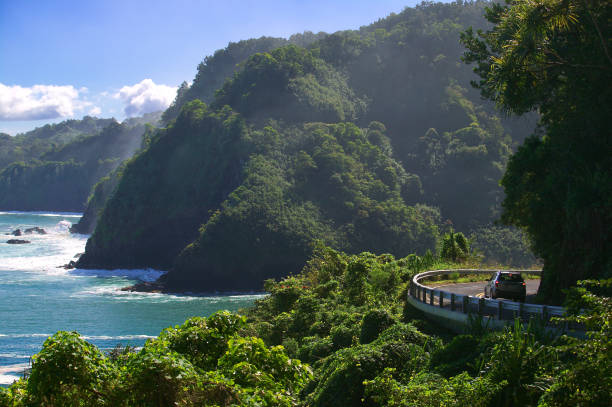
Choosing the right luau depends on the experience you want. Large resort luaus offer polished production, ample buffets, and easy hotel access. Smaller, more intimate luaus may focus on storytelling, cultural demonstrations, and a quieter atmosphere. Oceanfront settings provide spectacular sunsets; garden locations feel lush and secluded. Families appreciate shorter shows and kid-friendly menus; couples may prefer premium seating with table service. Book well in advance, especially during peak seasons. A luau is best enjoyed on a relaxed day, not after a long drive to Hana or a full day of snorkeling.
Approach a luau with respect: it is a living cultural tradition, not a theme park. Listen closely to the emcee, applaud generously, and feel free to ask questions afterward. Learning a few words like aloha, mahalo, and e komo mai can deepen your connection. Support local performers and artisans by visiting craft tables or tipping dancers if the venue allows. The aloha you give comes back to you.
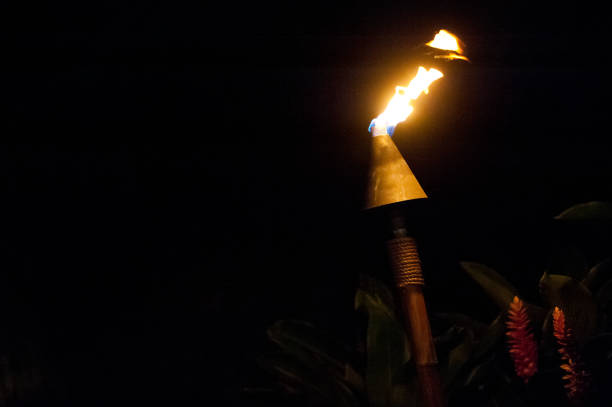
When the last drumbeat fades and the torches flicker against the night sky, you will carry more than a full stomach. You will carry the memory of fire, flowers, voices, and stories. A Maui luau is a celebration of place and people, a chance to taste the island’s history and feel its heartbeat. Whether you are planning your first trip or your tenth, make room for an evening like this. It will remind you why Maui stays with people long after they leave.