There are few better places to learn to surf than Maui. The water is warm, the scenery is beautiful, and the island offers many gentle, forgiving waves for beginners. The key is choosing the right spot, conditions, and guidance. With patience and a good instructor, you can go from nervous first-timer to standing on a soft-top longboard, grinning like you just discovered a secret.
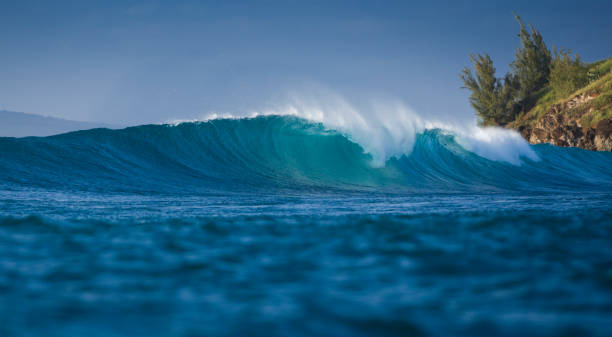
Maui’s surf is seasonal. In summer, the south shore often turns small and playful, making Kihei, Lahaina, and nearby coastline ideal for lessons. In winter, the north shore can roar at places like Ho’okipa, which is for experts. On big north swell days, beginners should stay south or find a protected break. Conditions change with tide, wind, and swell direction. Early morning is usually best, before trade winds turn the ocean choppy. A glassy dawn session is not just prettier; it is easier.
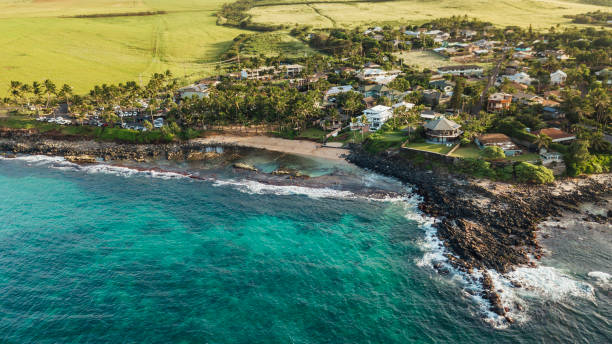
Several breaks are famous for being beginner-friendly. The Cove in Kihei is a classic first-timer spot with gentle whitewash and sandy patches. Kalama Beach Park, also in Kihei, is popular for lessons and longboarders. On the west side, Launiupoko and Puamana can be fun on small days, while Ukumehame, often called Thousand Peaks, offers long, rolling waves when the swell is modest. These spots are not automatically safe just because they are popular. Reefs, rocks, and currents exist. Check with lifeguards or local surf shops before paddling out.
A surf lesson is worth every penny. Maui has experienced instructors who know the island’s reefs, tides, and etiquette. They will put you on a stable soft-top board, teach you how to paddle, and show you how to pop up without face-planting. They will also choose the right waves and push you into them at the right moment. Group lessons are social and affordable; private lessons offer more attention. Book ahead, especially in high season, and be honest about your swimming ability.
Your first lesson will likely begin on the beach. You will practice lying on the board, placing your hands under your ribs, and jumping to your feet smoothly. Then you will head into the water, paddle through whitewash, and wait for your instructor’s signal. When the wave comes, you will hear “paddle, paddle, paddle,“ feel the board lift, and hopefully stand for a few glorious seconds before falling. Falling is part of it. The water is warm, the board is soft, and everyone around you has wiped out too. Laugh and try again.
Surf etiquette matters everywhere, but especially in Hawaii, where surfing is a sacred cultural practice. Do not drop in on someone else’s wave. Paddle around the lineup, not through it. Hang on to your board so it does not hit anyone. Respect local surfers, and understand that you are a guest in their ocean. The best learners listen more than they talk, watch the horizon, and offer a shaka instead of a stink eye. Hawaiian surf culture is deep: he’e nalu was practiced by ali’i and commoners alike, and icons like Duke Kahanamoku and Eddie Aikau carry a legacy of courage, skill, and aloha. Learning here is a chance to honor that legacy.
Bring a rashguard, reef-safe sunscreen, water, and a towel. Boardshorts or a swimsuit work fine in summer, though a springsuit can help in winter. Leave valuables at home, and wear sunscreen before you get in. Most importantly, bring humility and humor. You are not going to master surfing in a day. You are going to learn how to read the ocean a little, how to fall safely, and how to feel the stoke when a wave carries you toward shore.
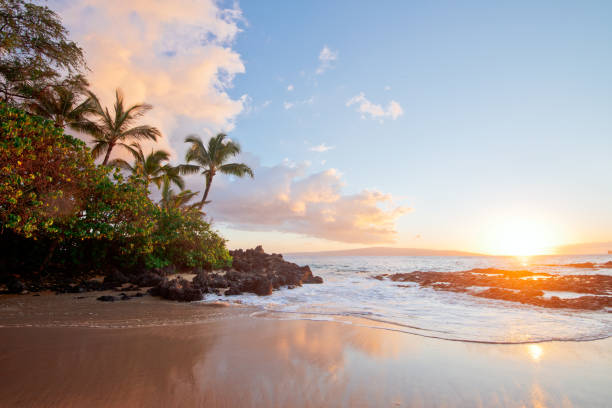
Maui is a dream destination, but its beginner surf scene makes it rare. You can learn in warm water, with friendly instructors, against a backdrop of volcanic mountains and palm trees. Take a lesson, choose small days, respect the locals and the ocean, and celebrate every tiny victory. By the end of your trip, you may not be a ripper, but you will understand why surfers rearrange their lives around tides and swells. You will also have salt in your hair, a new obsession, and a story about the day Maui taught you to stand.